What to Do If You Lose Your Drone
A practical, beginner-friendly guide on what to do if you lose your drone, including immediate actions, locating methods, reporting steps, and prevention tips for safe, confident flights.


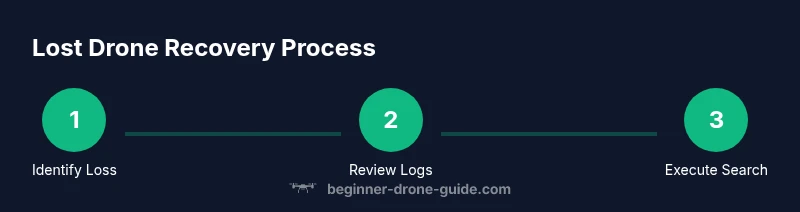
If you lose your drone, act quickly and calmly. Retrace the last known coordinates, scan the area from the expected descent path, and check any GPS logs or flight records for a near location. Ensure safety, avoid private property, and contact authorities if it landed in restricted airspace or people’s yards. Start a search and document everything for insurance claims.
What to Do Immediately After Losing Your Drone
Losing a drone can be jarring, but a calm, structured response dramatically improves your chances of recovery. According to Beginner Drone Guide, the first minutes set the tone for your entire chase. Prioritize safety for yourself and bystanders, avoid entering hazardous areas, and refrain from pursuing the drone into private property without consent. If the drone is over a busy street, do not chase it across traffic; instead, pause, assess, and plan a safe search perimeter. Open your drone app if available and review your last-known location, flight mode, and any logs that record GPS coordinates or altitude. While you search, document where and when you checked, and keep a running timeline of actions taken. This approach reduces confusion and strengthens any eventual reporting or insurance claims.
Retrieve Last Known Location Using Flight Logs and Maps
Flight logs provide a critical breadcrumb trail when a drone disappears. Access the drone’s companion app or desktop interface to view the last GPS coordinates, time stamp, altitude, speed, and whether the drone activated any Return-to-Home (RTH) function. Cross-reference these details with a map to delineate a probable search area. Begin by marking the last known point on a map, then expand outward in a controlled pattern. If the drone moved in circles or remained stationary, note wind direction and battery status at the time of loss. This information helps responders and can guide a more efficient field search. Begin documenting all findings in a notebook or digital log, including exact times and any observations from the field. Based on Beginner Drone Guide research, acting with precise location data improves recovery odds.
Mobile App Tools and Features That Help You Locate It
Modern drone apps offer live location sharing, geofencing, and sometimes live video streams. Activate any available location features and set up a secure, shareable link with trusted friends or local search partners. If your drone supports an RTH override, avoid enabling it unless you know it will not trigger into a hazardous area. Use the map view to create a search grid and set waypoints for a guided sweep. Enable any alert settings that notify you when the drone re-enters range or crosses a boundary. Keep your phone charged, close to your body, and ready to receive updates as you search. According to Beginner Drone Guide analysis, leveraging these tools increases the likelihood of spotting a returning signal or landing site.
Effective Outdoor Search Strategies
A well-planned search increases your probability of recovery dramatically. Use a grid or lane-search pattern to methodically cover the likely landing zone, then expand outward. Divide tasks among helpers if possible—one person watches the sky while others sweep ground-level brush or terrain where GPS might be unreliable. Use bright clothing or reflective markers to improve visibility, and bring a flashlight for low-light conditions. Photograph or video potential clues like disturbed grass, broken branches, or tire marks that could indicate a landing point. Stay organized: record where you searched, what you found, and any sightings. Remember to keep a respectful distance from private property and protected habitats while searching.
Dealing with Private Property and Restricted Areas
If you suspect the drone may have landed on private property, approach the owner calmly and ask for permission to search the area. Most property owners will cooperate if you explain the situation and share your contact information. For restricted areas, do not trespass; notify local authorities or park rangers as appropriate and follow their guidance. When a drone is near public spaces or infrastructure, contact the relevant authorities to ensure safety and compliance. If you locate the drone or any debris, document the location with photos and coordinates, then coordinate a plan to retrieve it with permission. Following proper channels helps protect you legally and ethically while maximizing your chance of recovery.
When and How to Involve Authorities, Landowners, and Insurance
If the drone poses a safety risk or lands on land under someone else’s control, involve the appropriate authorities to prevent harm and document the incident. Contact the landowner to request permission for a search if necessary. For lost equipment, check your insurance policy and filing requirements. Gather purchase receipts, serial numbers, and flight logs to support a claim, and maintain a detailed incident timeline. If the drone lands in a public area or causes property damage, report the incident promptly and keep copies of all communications. This structured approach helps minimize liability and speeds up any potential reimbursement or replacement process.
Documentation, Incident Reporting, and Record Keeping
Keep a thorough, dated record of every action you take after a loss. Create a timeline that includes the loss moment, GPS data, search checkpoints, contacts made, and any photos or videos captured. Save flight logs and screen captures, and print a copy for your records. When filing an insurance claim, provide a clear narrative along with supporting documents, including receipts and serial numbers. A well-documented loss improves credibility and may expedite processing. If you publish social posts about the loss, balance transparency with privacy concerns, and avoid sharing sensitive data publicly. Documenting your process also supports your learning for future flights.
Preventive Steps for Future Flights: Pre-Flight and In-Flight Routines
Pre-flight planning reduces the risk of loss in future flights. Create a robust pre-flight checklist that covers firmware updates, compass calibration, RTH settings, battery health, and environment checks. Review airspace rules for your area before takeoff and set safe geofence boundaries within the app. Carry a lightweight search kit with reflective tape, a whistle, and a small flashlight, plus a simple map and compass as a backup. After the loss, adjust your procedures: increase battery checks, lower the drone’s maximum altitude, diversify flight paths, and use Return-to-Home with a clear landing zone in mind. This proactive approach helps you fly smarter and safer going forward, reducing the likelihood of future losses.
Common Scenarios and How They End: Real-World Insights
Drones commonly disappear due to battery depletion, wind drift, or miscalibration. In many cases, the device is found within a short distance of the last logged location, especially when quick action follows loss. Others require more time and a broader search, sometimes involving neighbors or local hobbyist groups. The key takeaway is to act methodically, log every step, and coordinate with others to cover more ground. While every situation is unique, a disciplined process increases your odds of recovery and minimizes risk to people and property.
Data Privacy, Ethics, and Community Considerations
Responsible drone recovery respects privacy and local laws. Do not trespass or photograph private property without consent, and refrain from sharing sensitive data about others. If you gain information about the loss that involves other people, handle it discreetly and report as needed to authorities or your insurer. Use your experience to educate yourself and others about safe, ethical drone operation, and share best practices with peers to foster a community that supports safe and responsible flying.
Tools & Materials
- Smartphone or tablet with drone app(Used to view last-known location, flight logs, and live location sharing if supported)
- Printed or saved last known coordinates and flight log(Offline reference for field searches)
- Notebook and pen(Record sightings, timestamps, and actions)
- Bright flashlight(Helpful for night searches)
- Whistle or signaling device(Attract attention if drone lands in brush)
- Walkie-talkie or two-way radio(Coordinate with a search partner)
- Camera or smartphone for photos(Document debris or evidence)
- Insurance documents or proof of purchase(Helpful for claims)
Steps
Estimated time: 2-4 hours
- 1
Pause and Ensure Safety
Immediately stop moving and secure the area. Ensure bystanders are safe and avoid risky zones. Take a deep breath and prepare to follow a plan rather than chase impulsively.
Tip: A calm, deliberate start prevents panic-driven mistakes. - 2
Open the Drone App and Pull Logs
Launch the drone’s companion app or desktop software to view the last GPS coordinates, altitude, and timing. Confirm whether the drone activated Return-to-Home or any safety features before loss.
Tip: Document the exact last coordinates and time to anchor your search. - 3
Mark Last Known Location on Map
Plot the last coordinates on a map. Create a mental or physical boundary around that point and plan a search perimeter that expands outward in a controlled pattern.
Tip: Use landmarks like roads, buildings, or terrain features to guide your search. - 4
Plan a Safe Search Route
Choose a grid or lane-search pattern and assign roles if you have helpers. Prioritize high-probability zones (downwind slopes, open fields, and clearings) first.
Tip: Keep the team close enough to communicate visually or via radio. - 5
Begin Ground Search
Sweep the area on foot or with a vehicle, scanning grass, brush, and tree lines. Look for signs of disturbed ground, reflectivity from the drone casing, or prop debris.
Tip: Move slowly and consistently to avoid overlooking subtle cues. - 6
Contact Landowners and Authorities
If you suspect the drone is on private land or near restricted airspace, notify the owner or local authorities before entering. Respect property rights and follow official guidance.
Tip: Have your contact information ready to share with landowners. - 7
Use Signals and Clues
If you find clues like broken vegetation or a landing mark, photograph and record the exact spot with coordinates. Use a bright piece of tape or fabric to mark a found area.
Tip: Photos with timestamps help with incident timelines. - 8
Document Findings and Timeline
Keep a running log of sightings, dates, times, and actions. Save photos and map marks to support later reporting or claims.
Tip: A clear timeline speeds up insurance processing. - 9
File Reports and Start Insurance Steps
If the drone remains unfound, file an incident report with your insurer or manufacturer, including receipts, logs, and the loss timeline. Follow the policy's required steps.
Tip: Submit all supporting documents to avoid delays. - 10
Review, Learn, and Update
After the search, review what worked and what didn’t. Update your pre-flight checklists, return-to-home settings, and flight boundaries to reduce future loss risk.
Tip: Use the experience to improve your safety practices.
Frequently Asked Questions
Is it legal to search for my lost drone on private property?
Laws vary by location, but you should obtain permission from the landowner before entering private property. If you’re unsure, contact local authorities for guidance and keep records of all permissions obtained.
Laws vary by area, but always seek landowner permission before entering private property and contact authorities if advised.
What should I do if I cannot locate the drone after the initial search?
If you can’t locate it, expand the search area gradually and document each attempt. Notify your insurer if the drone is covered under a policy and consider filing a formal incident report.
If you can't find it, expand the search and document every attempt; contact your insurer if applicable.
Will my insurance cover a lost drone?
Insurance coverage depends on your policy terms. Gather purchase receipts, serial numbers, logs, and the loss timeline when filing a claim and follow the insurer’s process.
It depends on your policy; have receipts, serial numbers, and logs ready when you claim.
How long should I wait before concluding the drone is truly lost?
There’s no universal wait time. Continue the search as long as practically possible, then escalate to authorities or insurers if not recovered.
There isn’t a fixed wait time; keep searching as long as practical and escalate if needed.
What data should I gather for an incident report?
Collect the last GPS coordinates, timestamps, weather conditions, flight details, and actions taken. Attach photos, video clips, and flight logs to strengthen the report.
Gather GPS data, timestamps, weather, flight details, and logs; attach evidence.
Watch Video
Quick Summary
- Act quickly and stay safe during a loss.
- Leverage flight logs and last coordinates for accuracy.
- Coordinate with others and respect property rights.
- Document everything for reporting and insurance.
- Review and update your pre-flight routines after a loss.