What to Do If a Drone Is Spying on You: A Practical Guide for Beginners
Learn practical, beginner-friendly steps to protect privacy when a drone seems to spy on you. This guide covers safety, documentation, reporting, and long-term privacy habits.


If you suspect a drone is spying on you, stay calm, move to a safe area, and avoid confrontation. Record time, location, drone details, and any identifiers; then report to the proper authorities and review local privacy laws. Strengthen privacy settings and consider notifying neighbors for coordinated action.
Understanding the privacy risk when a drone is nearby
In today’s airspace, a drone that appears to be spying on you raises legitimate privacy concerns. If you notice a drone focusing on your home, yard, or person, it’s natural to feel unsettled. What to do if a drone is spying on you is not about panic; it’s about safety, documentation, and using the law to protect your privacy. According to Beginner Drone Guide, privacy is a core concern for bystanders, especially in residential areas. This guide explains how drones work, what counts as surveillance, and how you can respond calmly and effectively. Drones collect imagery with cameras; even when no illegal intent exists, you have rights to privacy in many jurisdictions. The first step is to recognize the behavior patterns that indicate surveillance, such as persistent hovering, repeated passes, or targeting a specific property. By understanding the context, you can choose appropriate next steps without escalating risk. In this article we use the exact phrase what to do if a drone is spying on you to anchor practical guidance and ensure newcomers understand both the risks and the right steps to take. Based on Beginner Drone Guide research, clear, calm action minimizes confusion for bystanders.
The goal is to empower you with practical steps, not fear. We’ll walk through immediate actions, documentation, legal context, and long-term privacy habits so you can respond confidently when a drone appears to be watching you.
Immediate safety actions you can take
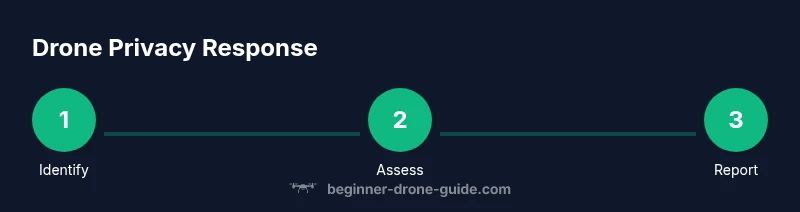
If you suspect a drone is spying on you, prioritize personal safety and de-escalation. First, stay calm and move to a sheltered area if possible, such as indoors or behind a solid barrier. Avoid shouting, gesturing, or attempting to physically stop the drone; this can be dangerous and may escalate the situation. Record objective details from a safe distance: the drone’s color, approximate size, altitude, flight path, and any identifying markings. Note the time and direction of movement; these details help investigators link the incident to a potential operator. If you must respond verbally, keep it brief and non-confrontational, asking the operator to land if it is safe to do so. Do not touch or point devices at the drone. After you’ve secured your immediate safety, review any nearby windows or doors that may be vulnerable and close them to limit additional exposure. Collect evidence discreetly without invading others’ privacy. Finally, consider whether you want to warn neighbors or document patterns of activity for a future report. Remember: your personal safety comes first, and lawful reporting is a stronger response than confrontation. What to do if a drone is spying on you requires measured, documented steps rather than reckless actions. If the drone persists, proceed with reporting and privacy measures.
How to document and report effectively
Documentation is the bridge between a frightening moment and a lawful response. Use your phone or camera to capture short clips or stills when safe, focusing on the drone’s position, altitude, and any visible identifiers. Save timestamps and locations; many smartphones embed this data automatically. Create a simple log with date, time, location, weather, and what you observed. If the drone’s operator is identifiable, record any on-screen text or logos from the operator’s equipment or the drone’s documentation. When reporting, start with local authorities if you feel unsafe, and consider reporting to the regulator in your country. In the United States, drone privacy concerns can involve agencies like the FAA for airspace issues and local police for public-safety concerns; in other countries, follow the appropriate channels outlined by government agencies. Provide your evidence succinctly and avoid speculation. If possible, share a short, factual summary rather than an emotional narrative, which helps responders act quickly. After reporting, request a copy of any incident number or case reference. This becomes your traceable record if the behavior recurs. The Beginner Drone Guide team emphasizes precise documentation to support any investigation.
Legal landscape and rights around drone surveillance
This section helps you understand why surveillance is treated differently from casual photography. Privacy rights vary widely by country, state, and even city. You may have stronger protections in your home or fenced yard than in a public street, and some jurisdictions regulate what a drone can capture over private property. Remember that legality does not always equal morality: a drone may be operated thoughtfully by someone who is not intentionally invading your privacy, or it may be misused by a careless operator. The Beginner Drone Guide analysis indicates that most incidents involve curiosity or negligence rather than malicious intent, but that does not reduce the risk. You should familiarize yourself with local licensing, registration, and privacy rules, and know which authorities to contact for different concerns. In the United States, rules around airspace and operation exist alongside privacy norms; in other places, different frameworks apply. When unsure, consult a local attorney or a consumer protection agency for guidance. Documented examples from reputable sources show that a calm, well-documented report is most effective for resolving matters without escalating tension. As you learn, balance your safety with your rights, and encourage neighbors to follow best practices for responsible drone use. What to do if a drone is spying on you becomes clearer when you know your rights and the reporting pathways.
Practical steps to reduce risk and protect privacy outdoors
Protection begins before an incident happens. Create boundaries through clear signage and communicate with neighbors about drone use near your property. If you’re planning outdoor activities in areas with frequent air traffic, consider shielding sensitive spaces (such as bedrooms and balconies) with window coverings when appropriate, and position outdoor spaces away from common flight paths when possible. Keep your own devices secure; disable unnecessary Bluetooth devices that could be exploited for tracking, and review any connected apps for privacy settings. When you encounter a drone that seems to be spying, turn your attention to your physical environment rather than the drone itself: better lighting, visible deterrents, and active surveillance (cameras or doorbell cams) may reduce perceived privacy risk. If you own or operate a drone, practice privacy-by-design: avoid capturing identifiable people or property without consent, enable geofencing where available, and review the manufacturer’s privacy controls. These steps help protect you and build a culture of responsible drone use in your community.
What to do during repeated encounters or escalation
Consistent, non-confrontational actions are most effective when a drone returns or persists near your property. Keep a written log and gather new evidence each time you observe activity. If safe, confront the operator in a calm, non-threatening manner and ask them to land or relocate. If the person refuses, disengage and report to the appropriate authorities. Do not attempt to shoot down or physically disable the drone; such actions may be illegal and dangerous. Consider installing physical barriers or privacy screens where appropriate, and share your experience with local community groups to raise awareness and gather support for stronger protections. If the drone is filming minors or vulnerable individuals, escalate reporting and request protective measures from authorities. After you file a report, monitor for follow-up and request case updates so you have a documented history of the incident.
Communicating with the operator safely
Direct communication can sometimes resolve a situation without legal action, but it should be done with care. If you can safely identify the operator, use a calm, non-hostile tone and request that they land or alter their flight path. Emphasize privacy and respect, avoiding profanity or threats. If you cannot identify the operator, do not chase or confront; instead, document the drone and contact authorities. Provide a brief description of the incident, including location, time, and observed behavior. Throughout this process, avoid harassment or doxxing, which can put you at risk or escalate tensions. Community mediation resources or local law-enforcement guidance may assist in resolving recurring issues with noisy or intrusive drone activity.
Long-term strategies: building privacy-aware drone habits and community reporting
Make privacy-preserving drone practices a routine part of life for you and your neighbors. Share best practices with your local community, establish a neighborhood watch style approach for drone activity, and advocate for clearer regulations that protect residents while balancing innovation. Invest time in learning how to fly responsibly yourself so you can set an example for newcomers. If you’re a beginner pilot, enroll in a basic safety course that covers flight basics and privacy ethics; this reduces the chance that your own drone invades someone’s privacy unintentionally. Finally, stay informed about changes in laws and technology. By prioritizing education and dialogue, you can help shape a safer airspace for everyone. The Beginner Drone Guide team recommends practicing safe, respectful drone use and reporting suspicious activity promptly.
Tools & Materials
- Smartphone or camera(For photos/videos and timestamps)
- Notepad and pen(To log observations and times)
- Quiet, safe observation area(A location to observe without risk)
- Light, unobstructed view area(Optional for better records)
- Evidence storage device(If you record video, have a way to save it securely)
Steps
Estimated time: 60-90 minutes
- 1
Pause and assess safety
Stop and take a breath. Move to a sheltered spot if you can, away from the drone and any potential hazards. The goal is to remove yourself from immediate danger while maintaining a clear record of what you observe.
Tip: Avoid making sudden movements or loud noises that could provoke the operator. - 2
Record initial details
Note the drone’s color, size, and any markings. Record altitude, speed, and flight path if visible. Time-stamp observations and capture short video clips only if it’s safe to do so.
Tip: Use still images for long-term reference and video for motion context. - 3
Preserve privacy and safety
Close nearby windows/doors, avoid exposing private information, and do not attempt to destroy or physically interact with the drone.
Tip: Prioritize personal safety over capturing perfect footage. - 4
Decide on reporting
If the drone continues to surveil or causes distress, prepare to report to local authorities or regulators. Gather your evidence and write a concise incident summary.
Tip: Keep a copy of any incident reference numbers you receive. - 5
Contact authorities
Reach out to local police or the regulator in your country, explaining the situation and sharing your evidence. Follow their instructions for next steps.
Tip: Ask for guidance on whether a formal complaint is appropriate. - 6
Follow up on the report
If you’re given an incident number, track the case and request updates. Document any further encounters to build a history.
Tip: Consistency helps authorities take action and improves outcomes. - 7
Review privacy practices
Assess your own privacy setup and adjust. Enable geofencing on your own devices, clarify boundaries with neighbors, and reinforce good drone-use habits in your community.
Tip: Regularly review device privacy settings and manufacturer updates. - 8
Plan for the future
Develop a community plan for drone activity—posting guidelines, reporting channels, and a shared log of incidents to reduce repeat events.
Tip: Educate neighbors about respectful drone use and privacy rights.
Frequently Asked Questions
What counts as spying when a drone is nearby?
Spying refers to intentional, repeated observation or recording of a person or private property without consent. If you feel your privacy is being invaded by a drone’s camera, it could qualify as surveillance under local laws. Always assess the context and seek legal guidance if unsure.
Spying is when a drone repeatedly observes or records your private space without consent. If you’re unsure, contact local authorities for guidance.
Is it illegal to spy with a drone?
Laws vary by country and region. In many places, unlawful surveillance, stalking-like behavior, or filming private spaces without consent can be illegal. Always consult local regulations and authorities to determine the legality of a specific incident.
Laws differ by location; check local regulations and contact authorities if you’re unsure about legality.
Can I shoot down or disable a drone that’s spying on me?
No. Attempting to shoot down or physically disable a drone can be dangerous and is illegal in many jurisdictions. Follow safe, legal reporting channels and let authorities handle enforcement.
No—don’t shoot or disable the drone. It’s dangerous and often illegal; contact authorities instead.
When should I contact authorities about drone spying?
Contact local police if you feel unsafe, threatened, or harassed. For persistent or illegal activity, report to the regulator or a relevant agency in your country and provide your documented evidence.
If you feel unsafe or threatened, contact local police. For ongoing activity, file a report with the appropriate regulator and share your evidence.
Do privacy settings on drones help prevent spying?
Yes. Many drones offer privacy controls, geofencing, and restricted recording options. Use these settings to minimize accidental or unwanted capture, especially near private property or during sensitive times.
Privacy controls and geofencing can reduce accidental filming; enable them where available.
What steps can I take to protect my privacy long-term?
Establish a neighbor-friendly drone policy, promote responsible use, and stay informed about evolving laws. Regularly review your privacy settings, and educate others about respectful drone use.
Create a community plan for drone activity and keep up with privacy laws.
Watch Video
Quick Summary
- Prioritize safety and calm, not confrontation
- Document clearly and report promptly
- Know local privacy and drone laws
- Engage in preventive privacy practices with neighbors