What to Do If a Drone Invades Your Privacy
Learn practical, lawful steps to protect your privacy when a drone invades your space. This beginner-friendly guide covers documentation, reporting, safety, and prevention to help you respond calmly and effectively.


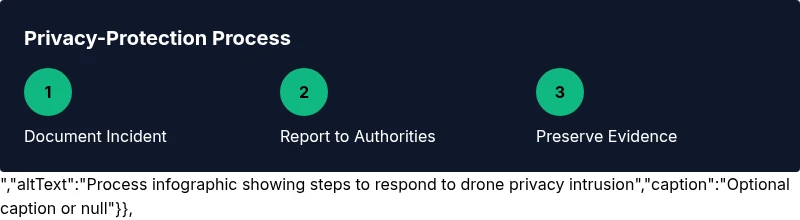
To protect your privacy, document any drone activity, identify the operator if possible, and report harassment to local authorities or aviation regulators. Immediately note dates, times, locations, and screenshots or video clips if safe to do so. Preserve evidence, avoid confrontation, and seek legal guidance if the behavior continues. Act quickly to deter further invasions.
Understanding the Threat and Your Rights
In many neighborhoods, drones can inadvertently capture private spaces, while others may be used to monitor or surveil without consent. Understanding privacy in the air means recognizing common scenarios—neighbors' drones buzzing near windows, photographers capturing footage over a private yard, or delivery drones lingering too long. This is why it's essential to know what to do if a drone is invading your privacy and how to respond responsibly. According to Beginner Drone Guide, the first step is to separate emotion from action: you should document, seek information, and pursue lawful remedies rather than engaging or retaliating. Laws vary by jurisdiction, and what counts as an invasion in one area may be different in another; staying informed helps you choose the safest, most effective course of action. Throughout this article, you’ll see practical steps you can take right away to protect your boundaries while respecting the rights of others.
You’ll also see how technology, policy, and community resources intersect. By understanding the landscape, you can avoid escalation and focus on concrete outcomes—protecting privacy without creating new hazards. The keyword to anchor this discussion is what to do if a drone is invading your privacy, a phrase you’ll encounter frequently as you work through the steps below.
note”:null},
toolsMaterialsAppliedNotes For clarity, please ignore stray text
Tools & Materials
- Smartphone or camera(To document incidents, capture timestamps, drone color/markings, and any identifiable features (without putting yourself at risk))
- Notebook or digital log(Record dates, times, locations, witnesses, and brief descriptions of each incident)
- Evidence storage device(Securely store video clips, screenshots, and logs in a password-protected location)
- Privacy signage or yard sign(Optional to deter drone flights where permitted by law and local rules)
- Witness contact information(If neighbors are willing to corroborate, collect contact details for follow-up)
- Legal contact information(Local police non-emergency line or aviation authority contact information)
Steps
Estimated time: 60-90 minutes
- 1
Document the incident safely
If you can do so without putting yourself at risk, capture photos or video from a safe vantage point. Note the date, time, and exact location. Record any distinguishing features of the drone or operator that you can observe from a distance, such as color, size, or markings.
Tip: Do not approach, threaten, or attempt to touch the drone; your safety comes first. - 2
Identify the operator or drone details
Try to observe whether the operator is a neighbor, a business, or a delivery service. Look for markings, a registration number, or a landing zone that might reveal who is flying. If you notice a license plate or registration on the drone, note it for authorities.
Tip: If observations seem unsafe, skip details you cannot verify and focus on observable behavior only. - 3
Limit exposure and protect privacy
Close blinds or relocate temporarily to reduce footage of private spaces. If feasible, document how the drone activity correlates with your privacy boundaries (e.g., window line of sight, backyard seating areas).
Tip: Maintaining calm is key; reacting emotionally can blur the facts you need later. - 4
Report to authorities during or after the incident
Contact your local law enforcement non-emergency line or aviation regulator to report the intrusion. Provide your logged times, locations, and any evidence you captured. Ask about their recommended next steps.
Tip: Ask for a case or report number and keep copies of all submissions. - 5
Preserve evidence for follow-up
Store all recordings and notes securely, with a clear filename convention and timestamps. Maintain a chronological log of incidents to show patterns if they occur again.
Tip: Back up data in a separate device or cloud storage if possible. - 6
Consult legal guidance and privacy options
If the intrusions persist, seek guidance from a lawyer or a local legal aid service about your rights and remedies, including possible restraining orders or nuisance actions.
Tip: Understand local privacy rights; some jurisdictions protect indoor spaces differently from outdoor areas. - 7
Coordinate with neighbors and community
If neighbors are affected, coordinate a collective report or a neighborhood meeting to address concerns and share best practices for privacy protection.
Tip: A united, non-confrontational approach is often more effective than isolated complaints. - 8
Review property privacy measures
Install or adjust privacy measures such as window films, landscaping, or privacy screens where permitted. Revisit your property boundaries and signage to deter unwanted flights.
Tip: Ensure any modifications comply with local HOA rules or property laws.
Frequently Asked Questions
What counts as a privacy invasion by a drone?
A privacy invasion occurs when a drone captures or attempts to capture private activities or spaces without consent, such as recording through windows or in a fenced yard. It can involve repeated or intrusive flights close to your home. Laws vary by location, so consult local regulations.
A drone privacy concern happens when private spaces are recorded without permission, especially with repeated flights near your home.
Should I shoot at a drone to stop it?
No. Shooting at or tampering with a drone can be illegal and dangerous. Instead, document, disengage, and report to authorities. If you feel immediate danger, contact emergency services.
No—do not engage. Document and report instead.
What information should I provide when reporting?
Provide dates, times, locations, observed drone color/markings, and any observable operator actions. Include a link to any videos or photos you captured and district/state where applicable.
Share the who, what, when, and where, plus evidence you collected.
Can I legally prevent future drone flights over my property?
Many areas allow you to request drones not to fly over private property, but outcomes depend on local laws. You may seek notices, restrictions, or civil remedies through appropriate authorities.
It depends on your local rules; check with authorities for enforceable options.
What should I do if the drone continues to invade my privacy?
Document every incident, escalate reports, and consider legal action if persistence occurs. Building a case with consistent evidence helps authorities determine next steps.
Keep reporting and collecting evidence if it keeps happening.
Watch Video
Quick Summary
- Document incidents promptly and clearly
- Do not engage or threaten the drone or operator
- Report to local authorities with evidence, if safe
- Preserve and organize evidence for follow-up
- Review and strengthen privacy measures on your property