What to Do If a Drone Is Over Your Property
Learn practical steps if a drone is over your property. This guide covers safety, documentation, when to involve authorities, and how to respond calmly to protect your space.


If a drone is over your property, your priority is safety, privacy, and documentation. Remain calm, avoid confrontation, and use a safe vantage to observe and record observations. This guide walks you through steps, evidence collection, and reporting options so you can respond confidently. The process emphasizes non-aggressive handling and lawful action. This quick guide helps you stay compliant.
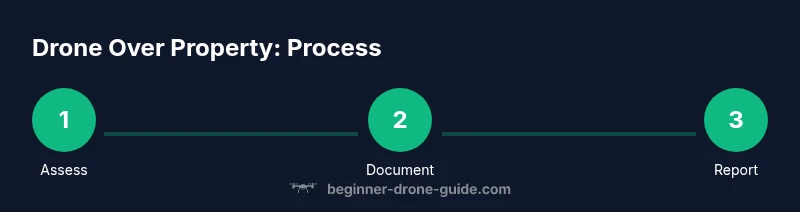
Assess the Situation Safely
Drone encounters can feel alarming, but staying calm is your first priority. If a drone is over your property, move to a safe, sheltered area and avoid approaching the device or its operator. Do not shout, wave aggressively, or try to physically stop the drone. Observe from a distance and note its altitude, speed, and reported movement (hovering, circling, or sweeping). If there are people nearby, guide them indoors and keep clear of windows and entryways where the drone could pose a risk. Keep your own activities minimal until you know whether the flight is a harmless delivery, a nearby survey, or an intrusion. In most cases, you can treat this as a potential privacy matter or nuisance rather than an emergency, but always trust your instincts if something feels unsafe.
Why this matters: safety comes first, followed by clear observation so you can later explain the incident accurately to authorities or the operator.
What to Document Immediately
Documentation is the backbone of any later report. Start a simple incident log with time, location, and a brief description of what you observed. Capture non-intrusive video or photos from a safe distance if you can do so without leaving your property or exposing yourself to risk. Note the drone’s approximate height, color, markings, and any audible cues. If the operator’s identity becomes visible, record that as well without breaking privacy rules. Save screenshots of any publicly visible identifiers (like registration numbers) that are legible from a safe vantage. Record environmental conditions (wind speed, noise level) and whether private spaces (windows, yards) were at risk. Store evidence securely and label it with the date and location. This concrete evidence will support any reports you file later.
Pro tip: keep media organized with clear filenames and dates to simplify follow-up.
How to Respond Without Confrontation
Do not engage with the operator. Keeping a polite, non-confrontational tone preserves safety and reduces the risk of escalation. If you are indoors, close blinds or curtains to protect your privacy. If you can communicate safely, you may use a calm, firm message like "Please avoid flying over my property." Avoid making gestures toward the drone. If the drone descends or changes trajectory toward you, retreat inside and contact authorities. If the drone crosses into restricted airspace or flies near people or property at risk of injury, treat it as a potential safety violation and report it.
Why this helps: de-escalation minimizes risk while preserving your rights and documenting the incident for future action.
Legal Framework: Your Rights and Responsibilities
Rights and responsibilities around drone flights vary by country and state. In many regions, drone operators must respect privacy, avoid reckless operation, and not fly over private property without good reason. Overflights that invade privacy can prompt civil complaints or law-enforcement action. This section outlines general principles: observe privacy boundaries, document incidents, and report when safety or privacy is compromised. Remember, this guide does not replace professional legal advice. If you face ongoing issues, consult local regulations and consider a privacy request or complaint with the appropriate agency.
Key point: laws differ, so treat this as a starting point and verify with local authorities.
Reporting and Evidence: Where to Go and What to File
Filing a report begins with the non-emergency path: contact local police or the sheriff's office if you feel threatened or the drone behaves dangerously. For privacy concerns, reach out to the aviation authority's consumer portal or your country’s equivalent. Provide the evidence you collected: logs, photos, video, times, and locations. If the situation involves criminal activity or persistent harassment, escalate to higher authorities and preserve all communication. After you file, note the report number and follow up as needed.
What to include: a concise incident timeline, media evidence, and a clear description of privacy impacts.
Preventive Steps for the Future
Take proactive steps to reduce future intrusions: install privacy screens or window shades, post visible privacy notices, and coordinate with neighbors about privacy expectations. Enable privacy-focused features on nearby devices if you operate a drone nearby (e.g., altitude limits, geofencing, and logging). Consider a simple agreement with neighbors about when and where drone activity is acceptable. Regularly review local rules so you know when to contact authorities and what constitutes a privacy violation.
Tip: proactive communication often prevents repeat incidents and builds community trust.
Privacy and Safety Best Practices
Best practices emphasize staying informed about airspace rules and clearly understanding privacy expectations. If you are a neighbor or resident, keep informed about local ordinances and privacy rights. If you fly a drone yourself, adhere to community standards to reduce conflicts. A calm, documented approach to any overflight not only protects your privacy but also helps the operator enforce safe and respectful skies.
Real-World Scenarios and Examples
- Scenario A: A neighbor’s drone briefly overflies your yard while delivering a package. You document the time and distance, then report to the local non-emergency line if it repeats.
- Scenario B: A drone seems to shadow your property during a weekend; you collect photos, note the duration, and contact the aviation authority if the behavior continues.
- Scenario C: A persistent drone over your home causes privacy concerns for multiple days. You escalate to law enforcement or the aviation regulator and request guidance on privacy protections.
Each scenario demonstrates safe observation, careful documentation, and appropriate escalation when necessary.
Tools & Materials
- Notebook or digital note-taking device(Record time, location, observations; organize by incident)
- Camera or smartphone for evidence(Capture non-intrusive photos/videos from a safe distance)
- Pen or stylus(Annotate logs and label media files)
- Privacy and safety checklist(A quick reference to ensure you cover key details)
- Emergency contact info(Keep handy for non-emergency and emergency lines)
Steps
Estimated time: 20-40 minutes
- 1
Pause outdoor activity and seek safety
Stop any outdoor activity and move to a safe indoor area if the drone is near. Do not chase or engage the drone, as that can escalate risk. Use calm, clear language if you need to communicate with others nearby.
Tip: If someone is outdoors with you, guide them indoors and avoid windows to reduce privacy risk. - 2
Observe and start documenting
From a safe vantage, note altitude, direction, color, and any markings. Start a log with precise times and locations and capture non-intrusive video or photos if safe.
Tip: Keep files organized with date-time stamps to simplify later reporting. - 3
Assess privacy impact and risk
Evaluate if private areas (windows, yards) were exposed or if nuisance behavior occurred. Decide if it feels threatening or merely disruptive.
Tip: Do not attempt to access restricted areas or touch the drone. - 4
Decide on reporting path
If it continues or feels unsafe, plan to report to the appropriate authorities. Use non-emergency channels first unless there is an immediate threat.
Tip: Non-emergency lines affect appropriate response without overreacting. - 5
File a report with the right agency
Submit your evidence to the local police or aviation regulator. Include logs, media, and a concise incident timeline.
Tip: Keep the report number for follow-up and potential future needs. - 6
Review and improve privacy measures
After the incident, discuss privacy steps with neighbors, update signage, and consider technology-based privacy safeguards.
Tip: Document changes and monitor for recurring flights to adjust strategies.
Frequently Asked Questions
Is it legal for a drone to fly over my property?
Drone flight legality depends on local rules and the operator’s intent. In many places, operators must respect privacy and avoid dangerous or harassing behavior. If privacy is breached, document the incident and report to the appropriate authorities.
Drone flight legality varies by location; document privacy concerns and report to authorities if needed.
What should I do if the drone overflies my property repeatedly?
Document each incident with timestamps and evidence. If it continues, report to local law enforcement or the aviation regulator and seek guidance on privacy protections.
Keep a record and contact authorities if the behavior persists.
Can I contact the drone operator directly?
Only if it’s safe and appropriate. Avoid confrontations; use non-emergency channels or public contact avenues if available. A calm note at your property can sometimes communicate your expectations without escalation.
Only if safe; avoid direct confrontation and use proper channels.
What evidence should I keep after an overflight?
Keep logs, photos, and videos with timestamps. Preserve metadata and store files securely for any future reports or investigations.
Save logs and media with dates and locations.
If privacy is violated or harassment occurs, what are my options?
Privacy violations can be civil or criminal matters depending on jurisdiction. File reports, consult local regulations, and consider legal advice if the behavior continues.
Privacy violations may be civil or criminal; report and seek guidance if ongoing.
Watch Video
Quick Summary
- Observe safely before reacting
- Document incidents with time and media
- Avoid confrontation or physical interaction
- Report when safety or privacy is at risk
- Review privacy steps to prevent recurrence