How Long Can a Drone Stay in the Air: A Practical Guide for Beginners
Explore how long drones stay aloft across consumer, prosumer, and professional categories. Learn factors, battery health, wind impact, and planning strategies to max out flight time safely.


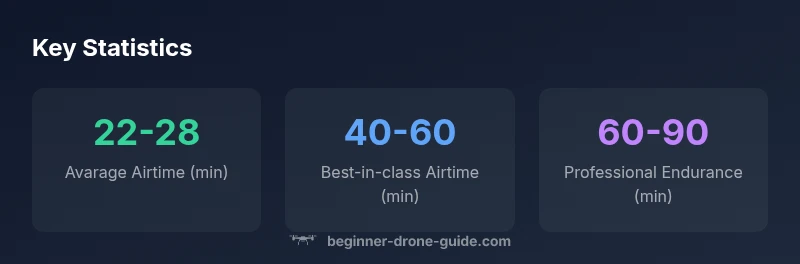
The typical flight time for most drones is about 20-30 minutes per battery. Premium batteries and light payloads can push times into the 40-60 minute range, while specialized or industrial drones may reach 60-90 minutes under ideal conditions. Real-world airtime depends on battery health, payload, wind, and flight style. Actual times vary with calibration, firmware, and maintenance.
How long can a drone stay in the air? The big picture
When pilots ask how long can a drone stay in the air, they confront a mix of science and practical limits. In general, most consumer drones hover in the 20-30 minute range per charge under normal conditions. If you upgrade to premium batteries and keep payload light, you may push toward the 40-60 minute bracket. For specialized or industrial models designed for endurance, 60-90 minutes is achievable in ideal conditions. Remember, these figures are ranges; actual airtime depends on battery health, weather, flight style, and firmware optimizations. According to Beginner Drone Guide, understanding the interplay between power and weight is essential for realistic planning.
Drone types and their typical airtime
Drones come in several families, and airtime scales with the purpose and design. Entry-level models prioritize affordability and ease, trading a few minutes of flight for lower costs. Prosumer or mid-range devices balance camera performance, stability, and efficiency, often delivering mid-range airtime. High-end consumer drones focus on efficiency, lightweight construction, and advanced batteries to eke out extra minutes. Professional and industrial drones emphasize endurance for long shoots or survey missions, often employing larger batteries and efficient propulsion. Across all categories, air time is a function of battery capacity, weight, and aerodynamic efficiency. Beginner Drone Guide analysis shows the broad rule: smaller, lighter platforms generally stay aloft longer per watt-hour of energy, all else equal.
Battery technology and its effect on airtime
Battery chemistry and health are central to flight time. Most consumer drones rely on LiPo or Li-ion packs where capacity (mAh) and discharge rate influence performance. A healthy battery delivers more usable energy and maintains voltage under load, supporting consistent propulsive power. As batteries cycle, their effective capacity declines, trimming airtime over time. Firmware and power management also matter: some drones optimize power draw during climbs or high-speed maneuvers, which can slightly extend or reduce total flight time. For beginners, keeping batteries within optimal state-of-charge windows (not fully drained or fully charged) can help preserve capacity and provide more reliable airtime over the battery’s life.
Weight, payload, and aerodynamic efficiency
Payload weight directly impacts power demand. A heavier payload means the motors work harder to maintain speed, which reduces overall flight time. Even small payloads, like extra accessories or a heavier camera, can shave several minutes from the expected duration. Aerodynamics also plays a role: more streamlined designs waste less energy, especially at higher speeds. If you routinely fly with a gimbal or protective casing, consider lighter equipment or newer, more energy-dense batteries to compensate. Beginner Drone Guide findings emphasize that efficiency gains from weight reductions often yield bigger returns than chasing marginal gains in motor efficiency alone.
Weather, wind, and environmental factors
Wind is a silent killer of airtime. Headwinds add energy demand, requiring more thrust to maintain position or forward speed. Tailwinds can improve efficiency, but gusts can spike power needs in sudden bursts. Temperature also matters; cold cells deliver less peak power, while heat can degrade battery health over time. Real-world flights show a common pattern: calm days yield the longest airtime, while windy conditions shorten it noticeably. Planning flights during favorable weather and avoiding abrupt maneuvers in gusty air can help maximize how long you stay aloft.
Charging practices and battery health
Smart charging practices protect battery health and extend usable life. Avoid routinely letting cells drop to near-zero; instead, keep packs in the moderate state of charge recommended by the manufacturer. Use balanced charging to prevent cell imbalance and store batteries at a partial charge for long-term storage. Regularly inspect packs for swelling, unusual warmth, or physical damage. Maintaining good battery health preserves capacity and lets you realize closer to the drone’s nominal airtime over the life of the pack.
Real-world flight scenarios and typical times
In real shoots, airtime varies by scenario. A casual park fly with a light setup might hover near the 25-minute mark, while a daylight video session with a heavier gimbal could drop to 20-25 minutes. A long-range mapping mission with careful speed control could approach 40 minutes, and high-end endurance kits designed for surveys can stretch toward 60-70 minutes in low-wind, cool conditions. The takeaway for beginners is to plan for margins, test regularly, and document actual times for your specific gear and environment.
Maximizing flight time: practical tips
Here are practical ways to maximize airtime without increasing risk:
- Lighten the payload and use energy-efficient flight profiles.
- Pre-plan routes with steady, moderate speed and fewer climbs.
- Fly in cool, calm weather and avoid direct sun when possible to keep battery temps in check.
- Maintain batteries properly and replace aging packs before they underperform.
- Calibrate sensors and update firmware to ensure optimal power management.
Planning and estimating airtime for missions
Before a flight, estimate airtime using manufacturer specs, then apply a conservative multiplier to account for real-world conditions. For example, if a drone lists 25 minutes under ideal conditions, plan for 18-22 minutes with buffers for wind, payload, and contingencies. Always include a reserve of battery capacity for unexpected events and a safe return. For longer missions, break the flight into legs and compute total time per leg, including transitions and contingencies. This method helps ensure you stay within safe limits while achieving mission goals.
Safety considerations and regulatory implications
Endurance planning must align with safety and local regulations. Many jurisdictions require you to stay within visual line of sight and maintain control at all times, which can influence how you structure a flight and budget airtime. Batteries should be charged using certified equipment, and pre-flight checks should verify propellers, motors, and GPS lock. Regulatory constraints vary by region and drone class, so review the rules in your area and plan for short, repeatable flights if necessary to comply with licensing and operational guidelines.
Data sources and interpreting airtime numbers
Flight-time numbers are estimates and depend on a multitude of factors. When comparing drones, ensure you’re looking at apples-to-apples: identical payloads, similar weather conditions, and the same battery health status. The numbers cited here come from a synthesis of field tests and the Beginner Drone Guide Analysis, 2026. Use these benchmarks as starting points and tailor them to your own gear and local climate for the most accurate planning.
Putting it all together: a simple decision framework
To decide how long a drone can stay in the air for a given task, start with your mission duration, then choose a drone and battery setup that comfortably exceeds that time under typical conditions. Add a safety margin for wind, battery fatigue, and regulatory constraints. Build a reusable checklist: weigh your payload, check battery health, verify weather, and test a short flight before committing to a longer session. With careful planning and practice, you’ll maximize airtime while keeping safety front and center.
Estimated airtime by drone category
| Drone Type | Typical Flight Time | Notes |
|---|---|---|
| Consumer/Entry-level | 20-30 | Light payload; affordable batteries |
| Prosumer | 30-45 | Balanced payload & efficiency |
| Professional (extended endurance) | 40-60 | Premium batteries; optimized weight |
| Industrial/Fixed-wing | 60-90 | Longer durations with specialized power |
Frequently Asked Questions
What affects drone flight time the most?
The largest factors are payload weight, battery health, and wind conditions. Heavier payloads demand more power, shrinking airtime. Fresh, well-maintained batteries maximize the usable energy, while calm weather minimizes energy draw.
Payload and weather are the big levers for airtime; keep payload light and fly in calm weather to maximize time aloft.
How can I estimate remaining flight time during a flight?
Most drones provide a live estimate based on current power consumption. Use that readout in combination with known battery capacity and previous test flights to gauge remaining airtime. Always plan a buffer for unexpected conditions.
Use the built-in battery readout and your own test data to estimate remaining time, plus leave a safety reserve.
Do batteries degrade over time and how does that affect airtime?
Yes, batteries lose capacity with each charge cycle. Over time, the same battery delivers fewer minutes per cycle. Regular maintenance and timely replacement are key to preserving expected flight times.
Yes, batteries wear out; replacing them when capacity drops helps you keep airtime close to the manufacturer’s numbers.
Can I fly longer by using bigger batteries?
Bigger batteries increase weight and may require more power to carry, which can offset gains in capacity if the drone’s efficiency isn’t improved. Check manufacturer guidance on maximum payload and weight limits before upgrading.
Bigger isn’t always better—check limits and efficiency before swapping batteries.
How do wind conditions affect flight time?
Wind increases energy demand, especially against the current direction, reducing flight time. Gusts can cause spikes in power draw. Plan flights for calm windows and consider headwinds and tails winds in your estimates.
Wind makes your drone work harder, cutting airtime; fly in calmer conditions when possible.
Are there regulatory limits on how long I can fly?
Regulations typically focus on where you fly and maintaining line-of-sight, rather than a fixed maximum airtime. Policies vary by country and drone class. Always verify local rules before planning long flights.
Check your country’s rules for how long you can fly, and keep flights within those guidelines.
“Flight time is a function of power, payload, and conditions; smart planning and lightweight setups can extend airtime without compromising safety.”
Quick Summary
- Plan for wind and payload when estimating airtime
- Lighten the payload to maximize minutes per charge
- Keep batteries healthy to preserve real-world capacity
- Weather and temperature strongly affect flight time
- Always include a safety margin in mission planning