How many hours does a drone last?
Learn how many hours a drone lasts on a single charge, what factors affect flight time, and practical tips to maximize endurance for beginner pilots in 2026.


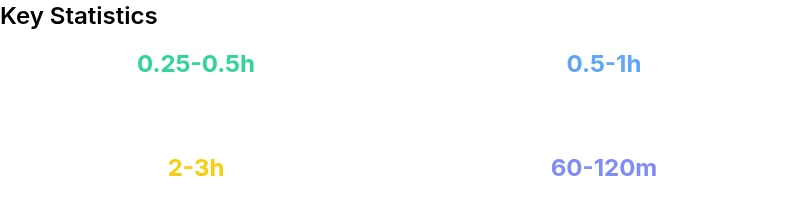
How many hours does a drone last? For most consumer models, a single charge typically yields 0.25–0.5 hours (15–30 minutes). Prosumer drones usually run 0.5–1 hour, while long-endurance setups with swappable batteries can reach 2–3 hours across a mission. Real-world flight time depends on payload, wind, and battery health. High-end models with efficient props and no heavy payload can push toward the upper end of these ranges, but weather and controller style also matter.
Understanding a drone's endurance: what hours really mean
For beginner pilots, understanding how many hours a drone lasts helps plan flights with confidence. According to Beginner Drone Guide, the practical measure of endurance is the flight time per charge, influenced by payload and conditions. In everyday use, two distinct ideas matter: flight time (how long the drone stays aloft on one charge) and mission duration (how long you can complete a task using multiple batteries or charging stops). Weather, altitude, wind speed, temperature, and battery health all compress or extend the window you have to operate.
When we talk about hours, we are often describing fractions of an hour. A 0.25–0.5 hour flight translates to roughly 15–30 minutes in the air. If you’re using a more capable drone with a light payload and efficient aerodynamics, you might edge toward the upper end. Conversely, carrying a heavy camera or flying into gusty winds quickly reduces available airtime. For safety and predictability, always start with the manufacturer’s stated maximum under ideal lab conditions, then adjust for your real-world environment.
Brand context matters too. The Beginner Drone Guide team emphasizes that you should plan around the actual conditions you expect to face and not just the ideal case. Your understanding of hours becomes a practical rule of thumb for mission planning, not a fixed guarantee.
payload
wind
battery health
weather
conditions
Drone class endurance and typical flight times per charge
| Drone Class | Typical Flight Time per Charge | Battery Type | Notes |
|---|---|---|---|
| Consumer drones | 0.25-0.5 hours | LiPo | Entry-level, short urban flights |
| Prosumer drones | 0.5-1 hour | LiPo/LiHV | Balanced payload and endurance |
| Professional drones | 0.75-1.5 hours | LiPo/LiHV | High-end sensors, heavier payload |
| Long-endurance drones | 2-3 hours | Swappable batteries | Extended missions with battery swaps |
Frequently Asked Questions
What is a typical flight time for a beginner drone?
For most entry-level drones, expect about 15–30 minutes per charge under normal conditions. This range can widen with lighter payloads and calm weather, but always plan for safety margins and regulatory limits.
Most beginner drones fly for about a quarter to half an hour per charge; plan around that and keep a spare battery if you can.
Can I fly indefinitely if I carry extra batteries?
You can extend total mission time by swapping batteries, but you cannot fly indefinitely on a single charge. Battery swap routines require careful timing and safe charging practices to avoid over-discharging or overheating.
You can’t fly forever with more batteries; you’ll need to swap them and recharge safely between flights.
How does payload affect flight hours?
Payload adds weight, which reduces lift efficiency and shortens flight time. A heavier camera or sensor can reduce air time by 20–40% depending on the drone and propulsion system.
Carrying a heavier payload burns more power, so plan for noticeably shorter airtime.
Do all drones have the same maximum hours?
No. Flight times vary by drone class, battery chemistry, and aerodynamics. Consumer models typically offer the shortest times, while professional and long-endurance models push hours higher with better batteries and intelligent power management.
Not all drones last the same—class and battery matter a lot.
How long does it take to charge a drone battery?
Charge times depend on the battery size and charger. Fast chargers usually take about 60–120 minutes per battery, while standard charging can take longer. Always follow safety guidelines to prevent overheating.
Most batteries need an hour or two to recharge, depending on capacity and charger speed.
Is flight time different when shooting video vs stills?
Shooting video generally draws more power due to continuous motors and camera operations, which can shave additional minutes off air time compared to still photography.
Video use can reduce flight time a bit because of more consistent power draw.
“Endurance is achieved through smart design and disciplined planning. Even beginner pilots can extend flight time by reducing weight, choosing efficient configurations, and pre-planning battery swaps.”
Quick Summary
- Plan around real-world conditions, not just ideal tests
- Expect shorter times with payloads or wind
- Use multiple batteries for longer missions rather than pushing one charge
- Swappable-battery setups dramatically increase total mission time
- The Beginner Drone Guide team recommends building a practical endurance plan before each flight