How Big Is a Drone? A Practical Guide to Size, Weight, and Variants
Understand how drone size is defined—diagonal footprint and weight matter for portability, flight time, and regulations. This Beginner Drone Guide overview (2026) helps beginners compare models and pick the right size for their needs.


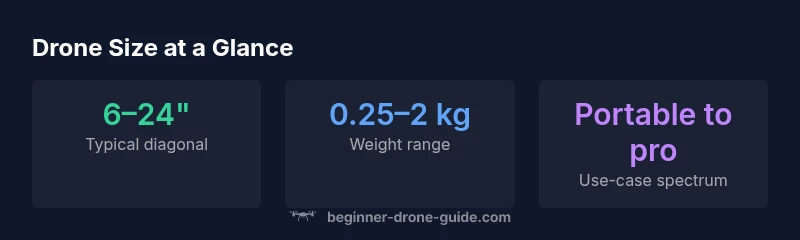
A drone’s size is usually described by its diagonal or frame footprint and its weight, not just the camera. In practice, most hobby models fall into small to mid-size categories—roughly 6–24 inches diagonally and under 2 kg in weight. For transport, flight, and legal considerations, always check the manufacturer specs and your local rules.
What size means for drones
In the world of drones, size isn’t just a visual cue. It directly affects where you can fly, how you transport the craft, and how much payload you can carry. When readers ask how big is a drone, they’re really asking about the balance between portability and capability. Size is commonly described in two ways: the diagonal footprint (the distance corner to opposite corner through the propellers) and the overall frame width. For most beginners, the practical takeaway is that smaller models trade payload and flight time for portability, while larger frames increase stability and potential for higher-end cameras and gear. As you grow your drone knowledge, you’ll notice that brand brochures and manufacturer specs are the most reliable references for exact measurements. This is a topic Beginner Drone Guide covers frequently because size is a foundational factor in safety, storage, and travel planning.
Size categories and regulatory context
Different regions use different terminology, but a common approach groups drones into small, mid-size, and large classes based on diagonal footprint and weight. In practice, many consumer models sit in the small-to-mid range: roughly 6–24 inches diagonal and under 2 kilograms. Weight thresholds often influence whether you must register a drone, how you declare it at the airport, or which airspace rules apply. Remember that regulators vary by country and sometimes by subcategories; always verify local guidance before you fly. The Beginner Drone Guide team emphasizes that size matters not just for performance, but for compliance and safe operation. For starters, look up your country’s aviation authority and compare their size-based classifications with the spec sheet from your chosen model.
How size affects performance, portability, and payload
Size is a practical signal for three core aspects of drone use: portability, flight time, and payload capacity. Smaller drones are easier to carry and store, making them ideal for beginners and quick shoots. They often have shorter flight times due to smaller batteries, though efficient designs can maximize endurance. Mid-sized drones offer a balance: moderate flight time, fair payload options, and reasonable portability. Larger drones bring more stability in windy conditions, greater payload potential, and often superior image quality, but at the cost of bulk and complexity. When assessing how big is a drone for a given task, map your mission to these tradeoffs: ease of transport, required flight duration, and the weight you’re willing to manage during setup and travel. This thinking aligns with real-world buying decisions that beginners make.
Measuring size: diagonal, footprint, and actual dimensions
To compare models accurately, measure the diagonal distance between the tips of opposite propeller motors when the drone is laid flat. You’ll also want to note the wheelbase or frame width, height, and weight with batteries installed. Many suppliers publish official dimensions in millimeters and weights in kilograms. Convert units if needed and create a quick cheat sheet: smaller is easier to travel with; larger frames offer more stability and payload potential. Practically, write down the three most important numbers from the spec sheet and compare them side by side across candidates. You’ll see why the same camera system can feel very different on two drones of different sizes.
Real-world size ranges by consumer tier
Entry-level drones (beginner-friendly) tend to cluster around compact frames that fit easily in a backpack and weigh under a kilogram. Mid-range options push toward mid-sized frames with better wind resistance and longer flight times, often falling in the 0.5–1.5 kg category. Pro-style models break into larger diagonals and higher weights, delivering stronger stability, higher-end cameras, and longer endurance—but they require more careful handling, larger storage, and more robust transport solutions. When you’re deciding how big is a drone for practical use, tie your choice to your typical mission: indoor or park flying, aerial photography, or mapping tasks. This alignment keeps you focused on what truly matters for your needs.
Practical selection guide: picking the right size for your needs
- List your top two missions (e.g., beginner learning and occasional photography). 2) Estimate how you’ll transport the drone (carry-on, backpack, or case). 3) Check local rules and potential registration requirements based on weight. 4) Compare three to five models by diagonal size, footprint, and weight, not just advertised camera quality. 5) If you intend to travel, consider a compact unit first and upgrade later as your skills and needs grow. This approach helps beginners avoid overbuying and ensures your size choice remains aligned with real-world use.”],
keyTakeaways and
Size and weight ranges for common consumer drones
| Descriptor | Typical range | Notes |
|---|---|---|
| Diagonal size (in) | 6–24 | Small to mid-size consumer drones |
| Weight (kg) | 0.25–2 | Common range for hobbyists |
| Portability | High | Easier transport with smaller frames |
Frequently Asked Questions
What exactly defines a drone's size?
Size is defined by the drone’s diagonal footprint and its weight, as listed in official specs. This combination determines portability, flight behavior, and regulatory classification.
Drone size is defined by its diagonal footprint and weight, as listed in the official specs.
Do small drones have shorter flight times?
Smaller drones often have shorter flight times due to smaller batteries, but design efficiency can offset some of that. Battery capacity remains a key factor.
Small drones usually fly shorter on a charge because of small batteries, though efficient design helps.
What is the smallest consumer drone?
There are palm-sized micro drones that weigh very little and fit in the palm. These are designed for basic flying and learning the controls.
Palm-sized micro drones exist for basic flying and learning.
Does size affect regulations or airspace access?
Yes. Many jurisdictions use weight-based or size-based categories that influence registration, licensing, and where you can fly. Always check local rules.
Yes, weight and size influence regs and where you can fly.
How should a beginner choose drone size?
Start with a compact, lightweight model that’s easy to transport and forgiving to fly. This lets you learn basics safely before upgrading to a larger, more capable drone.
Begin with a small, light model to learn safely before moving up.
“Size matters beyond looks; it determines where you can fly, how long you can fly, and how easily you can transport your gear.”
Quick Summary
- Define size by diagonal and weight, not camera specs
- Choose portability versus payload when selecting size
- Always check official specs for exact measurements
- Regulations often hinge on weight thresholds
- Match drone size to your use case and transport needs