When Drone Launched in India: A Practical Timeline for Beginners
Explore when drone launched in India, the regulatory milestones, and practical steps for new pilots to fly smarter and safer.


India’s drone timeline began in the early 2010s, with a watershed moment marked by Drone Rules 2021 that liberalized licensing and operations. For beginners, this context explains why licensing and registration exist and how the regulatory approach evolved to enable safer, more accountable flights.
When drone launched in india: A historical snapshot
India’s early relationship with unmanned aerial systems (UAS) began long before drones became common in business or media. For beginners learning about the topic, understanding when drone launched in india helps connect early experiments with today’s licensing and safety rules. The trajectory started with academic pilots and hobbyists conducting controlled flights, while regulators opened cautious conversations about airspace, privacy, and safety. This context is essential for new pilots who want to fly legally and responsibly. By tracing these milestones, readers can see why current licensing, registration, and operational restrictions exist—and how they enable safer, more accountable flights for everyone.
Early era: 2010s context and experiments
In the 2010s, Indian universities and private labs explored drone technology for research, agriculture, cinematography, and infrastructure inspection. Early flights were conducted under informal oversight, with pilots testing stability, wind resistance, and basic payloads. These experiments demonstrated the practical value of UAS across sectors while highlighting the need for safety standards and clear airspace rules. The era established the foundational demand for formal guidelines. For beginners, this means the modern rules are not arbitrary; they reflect real-world lessons from years of trial flights, error, and incremental policy refinement.
Policy debates during this period also emphasized privacy, drone maintenance, and pilot competence. The research community helped push tech-friendly use-cases while lawmakers sought to balance innovation with risk management. Understanding this background helps new pilots appreciate why licensing requirements exist and how training programs align with real-world flight needs.
The turning point: Drone Rules 2021 and Digital Sky
The Drone Rules 2021 marked a watershed moment in India’s drone ecosystem. Regulators simplified licensing, streamlined operation categories, and introduced a unified regulatory approach that reduced redundant permissions. The Digital Sky platform, launched around the same period, centralized approvals, geofencing, and real-time flight authorization. For beginners, this shift means that compliance is more straightforward, with clearer pathways to operate legally, even for smaller drones. The reforms emphasized safety, accountability, and standardized licensing while opening opportunities for hobbyists, startups, and established businesses to experiment with new applications under defined safeguards.
These changes also signaled a broader move toward clarity in airspace management, insurance expectations, and training prerequisites. As a result, new pilots can plan flights with greater assurance, knowing there is a centralized system to manage permits, mapping, and compliance.
Adoption across sectors: hobbyists, startups, and enterprises
Since 2021, drone use has expanded across a spectrum of users—from curious hobbyists to small startups and large enterprises. Agriculture, surveying, film production, and infrastructure inspection have all benefited from easier access to licensing and more predictable approvals. Beginners should note that the regulatory environment rewards demonstrations of safety and competency. While many operators can begin with basic flights after registration, complex or high-risk missions may require UAOPs (Unmanned Aircraft Operator Permits) and additional certifications. The takeaway for newcomers is that the pathway to broader operation is built on foundational competence, responsible flying, and ongoing compliance.
This expansion is also linked to ongoing policy refinements, as regulators continue to adjust permissions, geofencing, and operator requirements in response to real-world outcomes reported by industry and aviation authorities.
How the timeline informs today’s beginner pilots
For today’s learners, the timeline emphasizes two core pillars: registration and training. The Digital Sky portal remains a central tool for approvals, weather planning, and flight logs. Prospective pilots should start by registering their drone, understanding the drone’s category, and identifying whether their intended flights require an UAOP or other authorization. Training programs that cover airspace rules, risk assessment, and maintenance are crucial before attempting more ambitious missions. By aligning practice with regulatory expectations, beginners can minimize risk, ensure compliance, and build a habit of responsible flying that lasts beyond a single flight.
Real-world applications that benefited from the regulatory shift
As the regulatory framework matured, real-world use cases began to multiply. Agricultural professionals adopted drone-assisted crop monitoring; construction firms used aerial surveys for progress tracking; and media teams explored cinematic perspectives under safer, well-regulated conditions. The shift from ad-hoc operations to formal compliance helped reduce incidents and improve data quality from drone missions. For new pilots, this context highlights the value of learning core safety practices, mastering basic flight maneuvers, and documenting flights to build trust with clients and regulators alike.
Safety culture and practical tips for new pilots
Safety remains central to India’s drone landscape. Beginners should prioritize preflight checklists, weather assessment, and battery management to prevent common mishaps. Geofencing tools and flight planning apps can help avoid restricted airspace, while professional training courses provide structured practice and feedback. Building a safety-first habit from day one—such as maintaining visual line-of-sight, avoiding night flights without appropriate permissions, and using protective gear—will pay dividends as you expand your drone activities.
Practical steps for new pilots: a 30-60-90 day plan
- 30 days: complete a basic pilot training course, register your drone on the Digital Sky platform, and perform simple line-of-sight flights in safe zones.
- 60 days: demonstrate basic flight maneuvers, compile a flight log, and pursue additional training for more complex missions (mapping, inspection, or cinematography).
- 90 days: assess any need for UAOP or additional approvals, practice at a larger variety of weather conditions, and begin building a safety-focused portfolio with compliant documentation.
Timeline of regulatory milestones in India
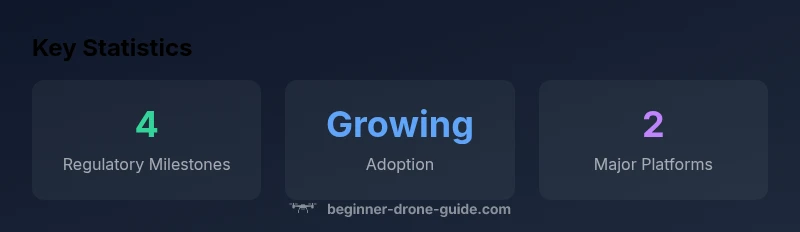
| Milestone | Year Range | Notes |
|---|---|---|
| Initial regulatory discussions | 2010s–2017 | India begins safety and airspace conversations |
| Drone Rules 2021 released | 2021 | Liberalized licensing and operation paths |
| Digital Sky Platform launched | 2021–2022 | Centralized approvals and geofencing |
| Ongoing amendments and relaxations | 2023–2024 | Continued updates for hobbyists and small drones |
Frequently Asked Questions
What is the significance of Drone Rules 2021 for beginners in India?
Drone Rules 2021 liberalized licensing, creating clearer pathways for hobbyists and commercial operators. They also introduced a unified Digital Sky platform for approvals, which helps new pilots plan compliant flights and build a safety case for each mission.
Drone Rules 2021 simplified licenses and brought in a centralized approval system, helping beginners fly legally and safely.
Do hobbyists need to register their drones in India?
Yes. Most drones must be registered on the Digital Sky platform, with the appropriate operator category and safety norms. Training and basic competency are typically advised before flying in shared airspace.
Yes, register on Digital Sky and follow safety rules before flying.
Are there no-fly zones for drones in India?
Yes. No-fly zones and geofenced areas exist to protect airports, critical infrastructure, and populated areas. Always check airspace restrictions before each flight using regulatory tools.
Yes—check airspace restrictions before you fly.
What licenses exist for commercial drone operations?
Commercial missions may require an Unmanned Aircraft Operator Permit (UAOP) or other authorizations, depending on drone class and operation. Training and documentation are typically prerequisites.
Commercial work may need UAOP and proper training.
Do drones launched before 2021 require special permission today?
Pre-2021 setups are now governed by updated rules; many operators must align with current registration, airspace, and safety standards. Verification on Digital Sky is advised.
Older drones must meet current rules; check Digital Sky for requirements.
“Regulatory clarity grows with practical testing and safety-first flying. Beginners benefit most when training and documentation are built into every flight.”
Quick Summary
- Know the timeline to understand current rules
- Register early and pursue certified training
- Use centralized approvals for permissions
- Prioritize safety and documentation
- Expect ongoing refinements to stay compliant