How to Bring a Drone into India: A Practical, Beginner's Guide
Learn the practical steps to bring a drone into India, including import permissions, DGCA registration, Customs declarations, and safe operation tips for new pilots.


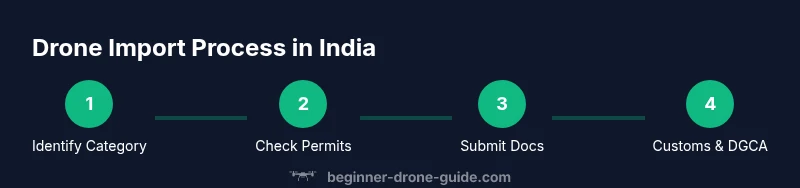
To bring a drone into India, follow DGCA rules: identify your drone’s category, secure any required import permissions, and register the drone on the Digital Sky platform. At customs, declare the drone and batteries with supporting documents, and ensure you’re compliant with local flying rules once the device is in India.
Understanding India's drone import landscape
India regulates drones through the Directorate General of Civil Aviation (DGCA) under the UAS Rules. When you bring a drone into India, you’re entering a regulated space that requires you to understand how your specific model fits into the country’s categories and licensing framework. This section gives you a clear map of who regulates what, what needs approval before import, and how to plan your purchase and shipment so you stay compliant from day one. According to Beginner Drone Guide, most hobbyist and professional drones will need some form of DGCA consideration, even if you intend to use them for personal projects. The Beginner Drone Guide team found that starting with a clear regulatory plan reduces delays and helps you avoid penalties. You’ll learn how to verify if you need import permissions, what documents to gather, and how Digital Sky registration ties into your import journey. By laying out the steps early, you’ll save time and avoid last‑minute surprises at the port of entry.
Do you need an import permit? How to check
Import permit requirements hinge on the drone’s category, weight, and intended use. The UAS Rules categorize drones by use-case and technical specs, and many imports require DGCA authorization before or during the customs process. Start by checking the latest DGCA guidelines on their official site and the Digital Sky portal to determine if your model needs an import permit or a simple import declaration. If you’re unsure, assume you need at least an import assessment and be prepared to provide model numbers, battery details, and use-case information. The more precise your information, the faster DGCA can issue the necessary clearance. The Beginner Drone Guide team emphasizes checking for any updates; regulatory requirements can evolve, and early verification minimizes hold-ups at customs.
Documentation you’ll need for import
Having the right documents on hand speeds up the import process and reduces the chance of delays during customs clearance. Core documents typically include the purchase invoice, the drone’s model and serial number, a product manual, and any certificates of conformity or safety documentation from the manufacturer. You should also prepare details about the drone’s weight, propulsion system, and battery specifications. If you’ve already registered the drone elsewhere or obtained a prior DGCA approval for a similar model, carry proof of that as well. Keep all documents in digital format and print copies for customs officers. According to Beginner Drone Guide analysis, organized paperwork is a common source of smooth clearance and is especially helpful when the drone is part of a larger shipment.
Duty, taxes, and customs clearance process
When your drone enters India, it may be subject to import duties and GST, as well as any DGCA-related charges. The exact duties vary by drone category, weight, value, and the declared HS code. You’ll need to declare the drone at the port of entry, present the import permission (if required), and submit the corresponding invoices and technical documents. Customs may assess the duty and collect taxes before releasing the parcel. If you’ve arranged DGCA authorization in advance, it can help speed up clearance. In addition, certain drones and components might require special sanctions or permits depending on their use-case, so stay aligned with the latest government guidance. The key is thorough, accurate declarations and timing your paperwork to align with customs workflows.
Registering with DGCA and Digital Sky after import
Once the drone is imported, you’ll likely need to complete DGCA registration and set up your device on the Digital Sky platform. This step includes creating a UAS registration profile, providing flight parameters, and linking your drone’s serial number to your account. Registration helps authorities monitor airspace usage and enforce safety standards. If your drone has a higher-risk weight or capability, you may also need additional approvals for certain operations. Remember to check whether your model requires a separate Remote Pilot License (RPL) or other certification, and ensure your registration is renewed as per DGCA timelines. This stage marks the transition from purchase to compliant operation.
Battery safety and packaging for air travel
Batteries are a common source of shipment issues. Always follow airline and IATA guidelines for transporting lithium‑ion or lithium‑polymer batteries. Keep batteries in appropriate protective cases, keep spare batteries to a minimum, and carry them in carry-on baggage when possible to reduce risk. Ensure terminals are protected and that batteries are within the allowed watt-hour (Wh) rating. Check both the airline and DGCA rules for battery restrictions, as some shipments require additional documentation or declarations. Proper packaging and accurate labeling prevent damage and help avoid delays during transport.
Flying legally in India: permissions, zones, and safety
Importing the drone is only part of the journey; actual operation in Indian airspace requires ongoing compliance. You may need permission to fly in specific zones, especially near airports, government facilities, or crowded urban areas. Learn the local airspace rules, altitude limits, and privacy guidelines before your first flight. Even with a registered drone, you must operate within the permitted times, maintain line-of-sight, and respect no-fly zones. The process is designed to minimize risk to people on the ground and other airspace users. By planning ahead and staying updated on regulations, you’ll minimize the chances of penalties or flight restrictions.
Practical pre-travel checklist for import-ready drones
Before you travel, run through a practical checklist to ensure a smooth import and initial flights: confirm you’ve obtained necessary import permissions, compile all documents, set up Digital Sky registration, and review airline battery rules. Pack the drone securely, verify power adapters and spares, and bring your identification. On arrival, have your documents ready for customs and keep a clear record of communications with DGCA. Having a ready-to-follow checklist reduces stress and speeds up the process, so you can start flying sooner after landing.
Authority sources
- Directorate General of Civil Aviation (DGCA) India: https://dgca.gov.in/
- Digital Sky Platform: https://digitalsky.dgca.gov.in/
- Indian Customs (CBIC): https://www.cbic.gov.in/
- Directorate General of Foreign Trade (DGFT): https://www.dgft.gov.in/
This section provides official references for import rules, registration, and compliance. Always verify current policies before you import, as rules can change over time.
Tools & Materials
- Drone with all accessories(Include original box, manuals, and any charging cables)
- Purchase invoice / proof of ownership(Shows ownership and value for customs declaration)
- Product manual and specifications(Helpful for technical details during clearance)
- Manufacturer certification or conformity notes(Optional but useful for faster approvals)
- Passport or government ID(May be required for DGCA registration or airline checks)
- Spare batteries in protective cases(Carry-on where airline permits; protect terminals)
Steps
Estimated time: 2-6 weeks
- 1
Identify drone category and regulatory needs
Determine your drone’s weight, capabilities, and intended use to understand which DGCA approvals or import permissions may apply. Start by reviewing the latest UAS Rules 2021 guidance and the Digital Sky policy for your model. This upfront step prevents misclassifications that cause delays at port or in airspace.
Tip: If you’re unsure about weight thresholds, contact DGCA or a knowledgeable distributor before importing. - 2
Check import permit requirements
Check whether your drone requires an import permit or can be cleared with standard declarations. Gather model details, serial numbers, and battery specs to support a potential request for DGCA approval. Early verification helps you anticipate documentation needs and avoid last‑minute paperwork at customs.
Tip: Bookmark the official DGCA and Digital Sky pages for quick reference during the process. - 3
Prepare essential documents
Assemble invoices, purchase receipts, product manuals, and any manufacturer certificates. Prepare a clear description of the drone’s intended use and be ready to provide technical specs. Having these documents ready minimizes customs checks and speeds clearance.
Tip: Keep both digital and paper copies; customs officers may request either. - 4
Submit import permissions and plan DGCA registration
If required, submit the import permission request with DGCA and prepare your Digital Sky registration plan. This step links your drone to your account and ensures you can legally operate once the drone is in India. Expect some processing time, and follow up if you don’t hear back within the typical window.
Tip: Record reference numbers for all submissions to track progress. - 5
Clear customs on arrival
At the port of entry, declare the drone and submit all supporting documents. Pay applicable duties and taxes as required, and present DGCA authorization or exemption if you have it. Proper declarations reduce the risk of delays or seizure.
Tip: If your shipment is split, ensure each package has consistent documentation to avoid mismatches. - 6
Complete DGCA Digital Sky registration and safety checks
Register the drone on Digital Sky and attach your serial number to your profile. Check any local rules for flight permissions, and review recommended safety practices before your first flight in India. Keep your registration renewed and comply with ongoing safety steps.
Tip: Set calendar reminders for renewals and mandatory training where applicable.
Frequently Asked Questions
Do I need an import permission to bring a drone into India?
Most drones require some form of DGCA consideration or import permission. Check the DGCA guidelines and the Digital Sky portal for your model’s exact requirements before purchasing.
Most drones require DGCA consideration; verify the exact need on the DGCA site before purchasing.
What documents are required to declare a drone at Indian customs?
Bring the purchase invoice, drone model and serial numbers, product manual, and any manufacturer certificates. Have proof of import permissions if applicable and be ready to declare batteries and value.
Carry invoices, model details, manuals, and any import permission papers when declaring at customs.
Can I carry spare batteries for my drone into India?
Yes, but batteries are subject to airline and DGCA rules. Pack them in carry-on where possible, use protective cases, and declare watt-hour ratings if required.
Spare batteries are allowed with restrictions; follow airline and DGCA guidelines and carry them safely.
Is DGCA registration required after importing a drone into India?
Generally, you should register the drone on Digital Sky after import and link the device to your account. This enables compliant operation and access to flight permissions where needed.
Register on Digital Sky after import and ensure your drone is linked to your account.
Are there exceptions for nano or consumer drones?
Small or nano drones may have different rules, but most still require some form of import review and registration before use in Indian airspace. Always verify specifics for your weight class.
Nano drones may have lighter requirements, but always check current rules for your class.
How long does DGCA approval typically take for imports?
Processing times vary by model and workload. Start early and maintain communication with the DGCA or your distributor to minimize delays.
Processing times vary; early preparation helps reduce wait times.
Watch Video
Quick Summary
- Know your drone’s regulatory category before import
- Prepare and organize documents early
- Obtain required permissions to avoid delays
- Register on Digital Sky after import and fly responsibly