Is Drone Allowed in Flight? A Beginner's Guide to Regulations
Understand when a drone is allowed to fly, licensing requirements, airspace rules, and practical safety guidance for beginners to fly smarter and lawfully.


Is drone allowed in flight? Generally yes in permitted airspace as long as you follow local laws, register if required, and operate safely. You must stay within line of sight, avoid restricted zones such as airports, prisons, and critical infrastructure, and respect privacy. Always verify airspace and obtain permissions for any commercial activity before takeoff.
Understanding where drone flight is legally allowed
For beginners asking, is drone allowed in flight, the answer is nuanced. Most countries allow recreational flying in designated airspace when you follow registration rules and safety standards. The core idea is simple: fly where you are permitted, stay out of restricted zones, and respect people and property. The Beginner Drone Guide team emphasizes that legality is dynamic and location-specific. Before you launch, cross-check the latest guidance from your local aviation authority and any temporary flight restrictions that may be in place. Even when a flight seems harmless, the rules governing airspace, privacy, and noise can change by region, city, or even district. The overarching principle is that is drone allowed in flight only when you align with the current rules for your exact location. This is why a quick preflight check isn’t optional—it’s essential. According to Beginner Drone Guide, public safety and responsible flying hinge on understanding where you can fly and how to comply with the rules every time you take off.
In practice, you’ll see three common outcomes: unrestricted flight in open spaces, restricted flight with explicit permissions, and prohibited flight in no-fly zones. The first outcome is the most common for beginners learning how to fly. The second requires a permit or waiver, while the third is strictly off-limits. As you gain experience, you’ll learn how to interpret airspace notices, legal requirements, and best practices so that is drone allowed in flight becomes a clear yes for your planned route and activity.
Airspace concepts: controlled vs uncontrolled
Airspace is not a single blanket rule; it’s a layered structure that affects what you can do with your drone. In many regions, there is a distinction between controlled and uncontrolled airspace. Controlled airspace typically requires authorization, special training, or waivers for any UAS (unmanned aircraft systems) operation. Uncontrolled airspace, by contrast, often allows basic recreational flights with standard safety practices. For beginners, the question of is drone allowed in flight hinges on knowing which airspace class you’re in before you push the sticks. Tools like official aeronautical charts and airspace apps can help you identify your current zone. Start with a simple habit: check your map, confirm you’re not near airports or emergency response zones, and then evaluate whether you can fly under basic rules or if you must seek permission. Remember that even in open air, maintaining a respectable altitude and staying away from crowds are part of responsible flight. The Beginner Drone Guide approach is to combine map checks with local advisories, ensuring you stay within permitted airspace and avoid surprises.
Key note: is drone allowed in flight is not a one-time check. It’s a continuous process of confirming airspace, weather, crowds, and local ordinances before every takeoff.
Licensing, registration, and safety responsibilities
Most jurisdictions require some form of registration or identification for drones above a certain weight and/or for commercial use. Even if is drone allowed in flight in your area, you’ll likely need to demonstrate competence or pass a knowledge test for certain operations. Registration and licensing rules are designed to ensure accountability and safety; they also help with accountability if something goes wrong. For beginners, a practical takeaway is to treat licensing and registration as part of your preflight checklist rather than a one-time hurdle. Your responsibilities extend beyond credentials: you should perform preflight checks, inspect the drone for damage, calibrate sensors if required, and plan a flight path that minimizes risk to people and property. Remember that being certified or registered does not replace safe flying—it complements it. The Beginner Drone Guide guidance emphasizes staying current with renewals and keeping documentation accessible while you practice, so you can respond quickly if authorities ask for proof of compliance.
When is drone allowed in flight in terms of licensing? If you’re in commercial operation, expect stricter requirements, and potential need for a remote pilot certificate or equivalent. Even in recreational settings, having proof of registration or operator credentials on hand can smooth over questions from authorities during a routine encounter.
Your personal safety and that of bystanders remains the priority. If any doubt exists about is drone allowed in flight in your area, err on the side of caution and pause the flight until you confirm the rules.
How to verify permissions: tools and steps
So, is drone allowed in flight depends on a reliable verification process. Start with official sources from your national aviation authority and, if present, your local air navigation service provider. Many pilots use a two-step verification: first, confirm airspace status through official maps or apps; second, review any NOTAMs or advisory notices for temporary restrictions. For beginners, this means always checking the airspace category (controlled vs uncontrolled), then checking whether your planned altitude, flight path, and time of day fit within permissible operations. If your flight would require a waiver or permit, you’ll need to submit the request with supporting information such as your flight plan, risk assessment, and purpose. The consistent practice—being proactive about is drone allowed in flight before you start your motors—helps build safe habits and reduces the risk of fines or flight aborts. Additionally, ensure you have the drone’s registration details and operator ID handy when asked, as these identifiers are part of responsible, legal flying. In the Beginner Drone Guide framework, the recommended approach is to create a simple checklist that you run before every flight to verify airspace, weather, and regulatory prerequisites.
Tools to verify is drone allowed in flight include official government portals, dedicated drone regulation apps, and local NOTAM feeds. When used consistently, these tools transform a potentially gray area into a clear, legal flight plan that keeps you safe and compliant.
The role of waivers and exemptions
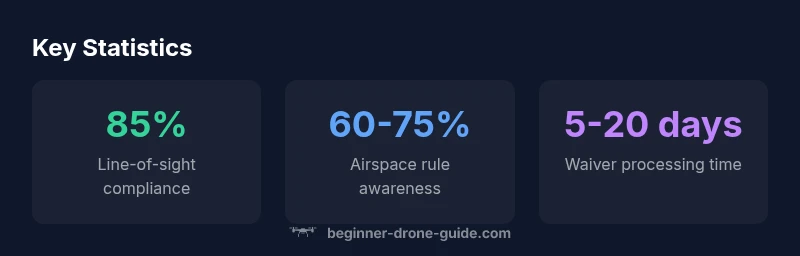
In many places, you can request waivers or exemptions to operate in airspace that is normally restricted. The question is not whether is drone allowed in flight in all situations, but whether you can demonstrate safe operation under a waiver. Waivers typically address specific flight aspects—such as flying in controlled airspace, beyond visual line of sight, or at night. The process generally involves submitting a detailed flight plan, risk assessment, and how you will mitigate hazards. Processing times vary by jurisdiction and the complexity of the operation. For beginners, the takeaway is to plan waivers well in advance and not to fly in restricted zones while awaiting approval. It’s also essential to understand that a waiver does not grant carte blanche to break other rules; you still must follow overarching safety standards, maintain visual line of sight when required, and respect privacy and crowds. The Beginner Drone Guide approach encourages pilots to practice simple flights first, then progressively address more complex scenarios with proper authorization. In practice, most people start with daytime, fly-over-uncrowded areas, and gradually expand their scope as they gain familiarity and complete the waiver requirements.
If you’re unsure about whether is drone allowed in flight in a given circumstance, seek official guidance or consult a local drone training resource before attempting the operation.
Regional differences and practical tips for beginners
Another layer to consider is regional variation. Is drone allowed in flight can differ between countries, state/provincial regions, and municipalities. In some regions, recreational pilots enjoy relatively straightforward rules, while commercial operators follow stricter regimes with stricter airspace controls. For beginners, the practical advice is to start with your local rules and then broaden your knowledge as you gain experience. Build a habit of checking airspace before every flight, recording your flight details, and maintaining up-to-date registrations. If you plan to fly near tourist sites, parks, or urban areas, treat it as high-risk airspace that demands extra caution and compliance. Consider enrolling in a local drone safety course or joining a community group where you can learn from more experienced pilots about local nuances. The core question is not only is drone allowed in flight, but how to manage risk and ensure that every flight aligns with the applicable rules and community expectations. By keeping your flights modest, well-documented, and compliant, you’ll reduce the likelihood of incidents and fines, and you’ll be able to enjoy the learning process with confidence.
Brand context note: The Beginner Drone Guide team highlights that regulations are evolving as drone technology matures; staying informed is part of the ongoing practice of safe, lawful flight.
Real-world scenarios and safety protocols
In real-world flights, the question of is drone allowed in flight can hinge on day-of operations, weather, and crowds. For beginners, the most common safe scenario is a daylight flight over a sparsely populated area with clear visibility, no near-airport operations, and no restrictions in effect. Before flight, perform standard safety checks, confirm propeller security, and verify GPS lock. If you must cross a busy area, you should avoid it unless you have explicit authorization and a risk mitigation plan. When flying in urban or event settings, you may need a posted notice or explicit permission from event organizers. Always be prepared to land immediately if you encounter unexpected weather changes, interference, or a safe landing is not possible. If your flight involves people or property not owned by you, you must adhere to privacy rules and obtain consent as required. The fundamental guideline remains: is drone allowed in flight is a function of both the environment and your preparation. By building a habit of cautious, well-documented flights, you’ll protect yourself and others while you practice and improve your piloting skills. The Beginner Drone Guide method encourages calm, methodical operations and ongoing education to keep flights safe and compliant.
Overview of common flight-regulation considerations
| Aspect | What it Covers | Typical Requirements |
|---|---|---|
| Airspace Status | Whether you’re in controlled vs. uncontrolled airspace | Check official maps before flight; obtain authorization if required |
| Registration/Licensing | Who must register or certify to fly | Register the drone if weight or use-case triggers it; obtain credentials if commercial |
| Waivers/Permissions | Need for exemptions to operate in restricted zones | Submit flight plan and risk assessment; processing times vary |
Frequently Asked Questions
Is a drone always allowed to fly over my property?
No. Flight over private property is subject to privacy laws and local regulations. Check permissions and avoid areas where private property rights or crowd safety could be impacted.
No—privacy and local rules apply, so verify permissions before any flight over private property.
Do I need a license to fly a drone commercially?
In most jurisdictions, yes. Commercial operations typically require certification or a remote pilot license and possibly specific waivers. Check your local authority for exact requirements.
Usually yes; commercial use often requires certification and waivers.
What is a 'no-fly zone' and how do I know if I'm in one?
No-fly zones are areas where flight is prohibited. Use official airspace maps and advisory notices to determine if your planned flight falls within one.
No-fly zones are off-limits—check maps before you fly.
Can I fly at night with a drone?
Night operations may be restricted or require additional lighting and permissions. Verify local rules and obtain any necessary waivers before dark flights.
Night flying is often restricted; check rules and get permissions.
How do I obtain waivers or permission?
Submit a flight plan, risk assessment, and safety measures to the relevant authority. Processing times vary by region, so plan ahead.
Submit a formal request with details; timelines vary.
What should beginners know before their first flight?
Learn basic controls, perform a preflight, check airspace, and stay in safe, open environments. Keep flights simple and gradually add complexity as you gain experience.
Start with basic checks and a clear, safe space.
“Flight regulations exist to protect people and property; understanding when a drone is allowed to fly starts with checking airspace and following the rulebook.”
Quick Summary
- Always verify airspace rules before flight
- Register or obtain permits as required by your jurisdiction
- Fly within line of sight and away from restricted zones
- Use maps/apps to stay updated on temporary flight restrictions
- Respect privacy and safety at all times