How to Use Drone in Ghost Recon Breakpoint: A Beginner Guide
Learn how to use the drone in Ghost Recon Breakpoint with practical, beginner-friendly steps. Deploy, switch views, scout, mark threats, and coordinate with your squad for safer, smarter missions.


By the end, you will know how to use the drone in Ghost Recon Breakpoint effectively. This guide covers deploying the drone, switching between FPV and map viewpoints, scanning for threats, sharing reconnaissance with your squad, and avoiding enemy detection. Use practical, beginner-friendly techniques to maximize safety and situational awareness in missions.
How to use drone in ghost recon breakpoint: Basics and setup
In Ghost Recon Breakpoint, the drone functions as a reconnaissance tool that lets you survey ahead, peek around obstacles, and tag targets without exposing your own position. To begin, locate the drone option in the in-game menu, assign a quick-access key, and deploy it from your current position. You will typically use two primary viewpoints: FPV for precise control and a map view for broader situational awareness. Start in a quiet mission area to learn the drone's speed, yaw, tilt, and landing behavior. The goal is to gather data rather than engage, using the drone to plan routes, identify bottlenecks, and identify escape options before committing to a push. How to use drone in ghost recon breakpoint is about balancing speed with precision and building muscle memory for camera control. According to Beginner Drone Guide, beginners benefit from a structured practice routine that covers basic inputs and viewpoints before applying the drone in combat. After a few sessions, you will gain confidence guiding your squad with reliable reconnaissance.
Drone controls and view modes
The drone in Ghost Recon Breakpoint offers at least two primary viewing modes: FPV and map view. This section explains how to toggle between modes, place markers, and use the functions available for each view. In FPV, you control the drone with flight inputs similar to character movement, plus camera tilt. In map view, you plan routes, identify choke points, and coordinate with teammates. Practice switching smoothly between modes to keep situational awareness high while minimizing time spent reorienting. Adjust sensitivity to your comfort level to avoid overcorrecting during fast movements. Data gathered with the drone should inform tactical decisions, not replace on-ground observation. Beginners can benefit from a quick drill: set a short patrol route, fly slowly, and record where you mark enemies and cover. This helps translate FPV detail into actionable team intel.
Practical reconnaissance techniques: scouting with intent
Effective drone reconnaissance is about seeing smarter, not just more. This section covers techniques for scouting with purpose: choosing high ground, maintaining line of sight, and using camera pan and tilt to peek behind walls. Learn to identify potential ambush points, route options, and safe zones for extraction. Keep the drone at a comfortable altitude to maximize field of view while retaining control. When threats are spotted, place clear, concise markers and relay them to teammates so they can adjust tactics before engaging. A good rule of thumb is to initiate reconnaissance before your squad commits to an approach, giving teammates time to plan. With consistent practice, you will develop a mental map of terrain and improved timing for drone deployments.
Battery life, range, and limitations in Ghost Recon Breakpoint
Drones in this game are subject to in-game limitations that mirror real world constraints: battery life, signal stability, and line of sight. This section covers how to optimize flight time, manage camera quality settings, and avoid depleting power during critical moments. Plan flights with short, deliberate sweeps to conserve energy for essential reconnaissance. If the drone lags or drifts, reassess altitude, wind cues, and nearby obstacles. Understand how the game enforces range limits and how to stay within an effective data window without losing objectives. Knowing these boundaries helps you maximize the drone's value in both combat and pursuit scenarios.
Troubleshooting common issues and performance tips
Even the best drone pilots face snags. This section lists common issues such as lag, drift, unexpected returns to base, and marker misreads, along with practical fixes. Start by checking your controller bindings and ensuring inputs are not overridden by accessibility settings. If the drone feels slow, adjust sensitivity and use more deliberate inputs. For performance, lower some graphics settings to improve frame rates during drone sequences, and ensure the game buffer has room to prevent stutter. If you notice marker misreads, recalibrate the drone's alignment with a quick hover and re-mark the area. Finally, if you encounter mission specific drone restrictions, adapt your strategy to focus on stealth routes and alternative planning.
Advanced tactics: coordinating with teammates and precision placements
As you gain experience, integrate drone reconnaissance into your squad's broader strategy. Use the drone to locate enemy clusters, identify breaching points, and verify safe routes before your team makes contact. Practice placing markers at precise coordinates and describing them succinctly to teammates. The real power comes from timing—deploy the drone during windows of reduced enemy awareness and relay intel quickly so your squad can exploit opportunities. Rotating drone operators within a squad helps prevent fatigue and ensures continuous coverage during longer missions.
Safety, ethics, and responsible play while using drones in games
Even in a virtual environment, safety and ethics matter. Respect other players' playstyles, avoid spamming drone calls in crowded areas, and use reconnaissance to minimize risk rather than exploit unfair advantages. Treat drone data as mission critical intel that informs safe, strategic decisions. If you play in a shared online session, communicate clearly and avoid actions that disrupt others' experiences. Regular practice in controlled, non competitive contexts helps you improve responsibly while enjoying the learning process.
Tools & Materials
- Ghost Recon Breakpoint game access(Ensure you have the latest patch and access to a practice mission.)
- Controller or keyboard/mouse(Familiarize with flight inputs and camera controls.)
- In-game guide or wiki(Optional but helpful for understanding drone capabilities.)
- Notebook for notes(Jot down key controls for quick reference.)
- Headphones or quiet play area(Hear cues and ambient sounds during testing.)
Steps
Estimated time: 25-40 minutes
- 1
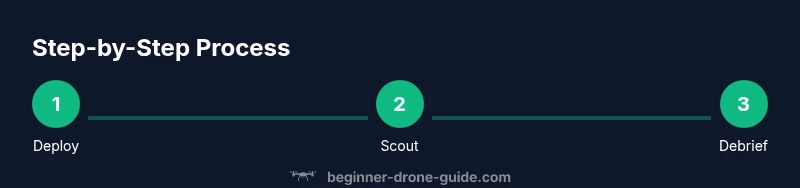
Deploy the drone
Open the drone menu, select Deploy, and release it to hover. Start in a safe zone and observe how the drone responds to input. Get a sense of altitude control and camera tilt.
Tip: Test quick deploy in a calm area to learn response time. - 2
Switch to FPV view
Toggle to FPV to control the drone from its camera feed. Practice panning, tilting, and adjusting altitude while maintaining awareness of your own position in the mission.
Tip: Use small, deliberate inputs to avoid jerky movements. - 3
Scout a route
Move the drone along a potential path, looking for cover, choke points, and threats beyond line of sight. Keep movements slow and steady to preserve data quality.
Tip: Annotate strategic positions on your map view for teammates. - 4
Mark threats and relay intel
While in view, mark enemy locations and hazards. Communicate findings to teammates so they can adjust tactics before engaging.
Tip: Use clear, concise callouts rather than long descriptions. - 5
Return and debrief
Bring the drone back to your position, land safely, and review the collected intel with your squad. Note any new routes or ambush points.
Tip: Observe wind or vibration cues that might affect landing. - 6
Practice in a training area
Repeat drone tasks in a practice space to build confidence. Gradually increase speed and complexity as you improve.
Tip: Record a short practice run to analyze later.
Frequently Asked Questions
Can I use the drone in all missions in Ghost Recon Breakpoint?
The drone is available in many missions for reconnaissance, but some missions may limit tools. Always check mission settings and difficulty level to understand drone usage. Use it as a planning aid rather than a direct attack tool.
The drone is available in many missions, but some may limit it. Use it for planning rather than direct attacks.
What is the best view for initial scouting?
Start with FPV for close, real-time detail, then switch to map view to plan routes and identify threats beyond the immediate line of sight.
FPV is great for detail, map view helps with planning.
How can I communicate drone findings to my squad?
Use concise, standardized callouts to report enemy positions, hazards, and routes. This minimizes miscommunication and accelerates team decisions.
Give concise drone intel with clear callouts.
Will drones affect performance on older systems?
On older systems, drone data can affect frame rates. Lower graphics settings or drone detail levels can help maintain smoother gameplay.
Drones can impact performance; adjust settings if needed.
Are there ethical concerns when using drones in multiplayer?
Use drones to enhance safety and strategy, not to harass or grief other players. Communicate clearly and respect others playstyles.
Use drone intel to support teammates, not disrupt others.
Watch Video
Quick Summary
- Deploy early to scout exits and threats.
- Master FPV vs map views for speed.
- Share findings with your squad for planning.
- Land safely and debrief after each run.
- Practice in a controlled zone to build confidence.