How to Drone in Ghost Recon: A Beginner Guide for Gamers
Master in-game drone reconnaissance in Ghost Recon with this beginner-friendly guide. Learn controls, tactics, and drills to scout, mark targets, and plan routes for smarter, safer missions.


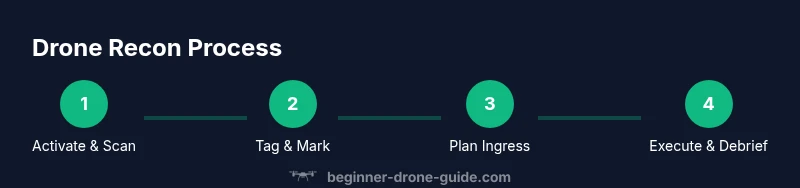
In Ghost Recon, the in-game drone is your first line of sight for recon. To drone effectively, activate the drone, fly to a safe elevation, and scan the area for enemies and objective points. Use the drone to mark threats, gather intel, and plan routes before moving on. Practice altitude control and speed to stay hidden while collecting critical information for a successful mission.
Why drone reconnaissance matters in Ghost Recon
In Ghost Recon, scouting before you move is a game changer. The drone acts as your eyes beyond the trees, allowing you to identify enemy placements, mission objectives, and safe routes. If you're wondering how to drone in ghost recon, the short answer is that the drone provides crucial intel before every engagement. According to Beginner Drone Guide, beginners who treat recon as a planning phase dramatically improve success rates and reduce risky pushes. The drone’s vantage point lets you confirm routes, spot patrols, and time your approach so you can initiate contact on your terms. As you fly, keep your altitude steady, avoid exposing yourself to open fire, and use panning to scan dead zones behind walls. The more you practice, the better your situational awareness becomes, which translates into cleaner routes and fewer surprises.
This approach aligns with the broader instructional ethos of Beginner Drone Guide, which emphasizes deliberate practice, observation, and incremental difficulty when learning new reconnaissance tools in gaming contexts.
Keyword integration and search intent
To address the core question how to drone in ghost recon, focus on three pillars: control, visibility, and data extraction. The drone is not just a toy; it is a mission-planning asset that reduces risk by revealing enemy positions and blind spots before you commit to a route.
In-game drone capabilities you should know
Ghost Recon’s drone can perform several core functions: live video feed, enemy location tagging, and objective highlighting. It can hover, rotate, and adjust camera angle; it has limited battery and requires you to manage throttle and yaw to maintain stealth. Begin by understanding the drone's camera modes, the reticle for tagging, and the ping/mark system used to place waypoints on the map. Based on Beginner Drone Guide analysis, consistent drone use improves mission planning and teammate coordination, as you can feed teammates intel and coordinate synchronized movements.
Core takeaways for new players
- Use the drone to pre-scout routes and gather intel before committing to a path.
- Practice gentle tilts and slow yaw so you don’t overshoot targets.
- Tag threats from a distance to avoid alerting patrols.
How to activate and deploy the drone
Activating and deploying the drone is a quick, repeatable routine you should perform at the start of every mission. First, bring up the drone interface and toggle it into flight mode. Then, release from your current position and climb to an elevated vantage point with a clear line of sight. As you deploy, keep your speed moderate and use small, deliberate adjustments to avoid drawing attention from nearby enemies. Finally, align the drone with your initial objective and begin scouting for chokepoints and patrol patterns.
Key actions for deployment
- Open the drone feed, select a safe altitude, and begin scanning.
- Use the primary camera to identify lines of sight and safe corridors.
- Mark critical objects and enemies for your team.
Mastering altitude, speed, and camera control
Altitude control is essential for remaining hidden while maximizing field of view. Too low and you risk gunfire or obstacles; too high and you lose detail on ground-level threats. Start at mid-elevation, then gradually ascend to capture wider areas without sacrificing clarity. Speed should be steady rather than fast; quick movements can blur the feed and reveal your presence. Camera control includes panning, tilting, and zooming to reveal hidden enemies and valuable objects. Remember to switch camera modes when needed to identify heat signatures or cover dynamics. Regular practice with these controls will yield better intel density and reduced exposure.
Practice pointers
- Maintain a hover position when you reach a good lookout point before scanning.
- Use slow, deliberate camera pans to avoid missing details.
- Periodically return to your squad’s position to re-coordinate after intel collection.
Scouting: extracting intel and marking targets
Effective scouting blends passive observation with active tagging. As you fly, identify enemy patrol patterns, watch for converging units, and look for choke points or blind spots. Use the tagging system to mark enemies, routes, and objectives. This data should be communicated to teammates to plan a synchronized approach. The drone also helps detect timing windows, such as when a patrol moves away from a doorway or when a sentry shifts position.
Practical scouting strategies
- Create a mental map of patrol routes and probable reinforcements.
- Tag high-value targets early to avoid late-stage surprises.
- Use drones to confirm objective locations and entry points before advancing.
Mission planning with drone data
Intel gathered from the drone informs every subsequent decision. Before you move, compare drone feeds with your map to plot safe routes, identify cover, and choose optimal insertion points. Drone data should drive teammates’ movement and timing, so coordinate signals and landmarks for a cohesive team push. Remember, intel is most valuable when used to reduce risk, not to chase aggression. The drone’s awareness lets you align your plan with enemy density and terrain.
Planning steps
- Verify the safest route using elevated vantage points.
- Identify enemy clusters and potential escape routes.
- Mark objective points and rally points for your squad.
Common mistakes and how to fix them
New players often over-rely on the drone or expose themselves by flying too close. Others forget to communicate drone intel, leading to disjointed team actions. To fix these issues, practice a routine: fly, scan, tag, and immediately relay your findings to teammates. Avoid chasing last-second intel at the cost of mission time; prioritize stable, repeatable drone behavior. Always have a fallback plan if the drone is compromised by enemies or terrain.
Quick diagnostics
- If you lose the feed, return to cover and re-establish line of sight before resuming.
- If tags aren’t syncing with teammates, pause and re-sync the signal.
- If you become detected, pivot to a higher altitude and reduce speed to blend with the environment.
Progressive drills to become proficient
Drills should scale in difficulty and complexity. Start with basic scouting in a controlled area, then introduce multiple patrols and objectives. Keep a log of your drone runs: speed, altitude, and success rate of intel collection. As you improve, practice simultaneous drone feeds with a teammate’s recon to optimize coordination. The aim is to reach a point where drone reconnaissance feels like second nature, enabling faster, safer mission deployments.
Sample drill plan
- Phase 1: Single patrol in open terrain, tag two to three enemies.
- Phase 2: Dual patrols cross paths, identify crossing points.
- Phase 3: Three objectives in sequence with timed windows.
- Phase 4: Execute a full recon route with data handoff to team.
Variations across Ghost Recon titles and patches
Different Ghost Recon titles and patches tweak drone handling, camera speed, and tagging mechanics. It’s common for newer versions to offer smoother controls or additional camera modes, which can affect recon tempo. Stay adaptable: re-train on new patches and adjust your drill parameters to match the latest behavior. If a patch changes drone response time, slow down test flights to recalibrate.
Adaptation tips
- Read patch notes before each major update.
- Rebuild your recon routine around new drone capabilities.
- Update your practice logs with changes in AI patrol patterns.
Real-world practice tips and safety in gameplay context
This guide focuses on virtual recon, not real-world drone operation. Do not transfer in-game drone maneuvers directly to real drones without formal training and safety checks. In gameplay, keep your drone use ethical and considerate of teammates’ goals. Treat the drone as a planning tool first and an execution aid second; always plan contingencies and practice in safe, open environments within the game. For learners seeking more, consider watching in-game tutorials and reading community guides, and remember that the point is to improve situational awareness and teamwork through mindful drone practice.
Tools & Materials
- Gaming device (PC/console)(Ensure the game is updated to the latest patch)
- Ghost Recon game copy or digital license(Valid copy for your platform)
- Headset or headset with mic(For in-team communication)
- Controller or keyboard/mouse(Preferred input method for precision)
- Second monitor or split-screen view(Optional for tracking multiple feeds)
- Note-taking tool (in-game notebook or external)(Record drill results and timings)
Steps
Estimated time: 25-35 minutes
- 1
Activate the drone and open the feed
Power up the drone interface and enable live video. Ensure you have a clear line of sight and enough space to maneuver without alerting nearby enemies. This first step establishes your recon channel and sets the tone for subsequent scouting.
Tip: Familiarize yourself with the quick-recenter button to snap back to your position if the drone drifts off target. - 2
Ascend to safe vantage point
Gently raise the drone to a mid-level altitude with a wide field of view. Avoid low, exposed angles that risk gunfire or obstacles. A stable altitude helps you cover broader ground while keeping details intact.
Tip: Use slow, controlled throttle changes to prevent sudden shifts that reveal your drone’s presence. - 3
Scan the area and identify targets
Move the drone along likely routes, scanning for enemy positions, patrol patterns, and objective markers. Tag threats and highlight choke points for the team. Document cover opportunities and lines of retreat.
Tip: Mark high-priority targets first to prevent mission-critical surprises. - 4
Mark objectives and strategic routes
Place waypoints on mission objectives and safe ingress/egress routes. This data guides your team’s movements and helps you avoid backtracking. Confirm that each waypoint remains visible from the team’s vantage point.
Tip: Keep objective markers clustered near known entrances to reduce fumbling during execution. - 5
Observe patrol patterns and timing
Watch how patrols move over time to identify moments of vulnerability, such as when guards pause or switch shifts. Use these windows to plan a patient approach.
Tip: Avoid chasing moving targets; wait for the right moment when patterns open up. - 6
Record intel and coordinate with teammates
Relay drone findings to your squad, ensuring everyone understands patrols, markers, and routes. Synchronize with teammates to prevent overlap and optimize teamwork.
Tip: Use concise, pre-agreed callouts to speed up communication. - 7
Re-evaluate and adjust plan
If new intel surfaces or the situation changes, pause and reassess. Update markers and adapt your entry plan to keep the team’s path safe.
Tip: Always have a fallback route in case your initial plan is compromised. - 8
Retrieve drone and analyze data
Return the drone to your position, close the session, and review the intel collected. Use the data to plan the actual engagement with minimal risk.
Tip: Post-mission review helps you improve your recon skills for the next run.
Frequently Asked Questions
How do I start using the in-game drone in Ghost Recon?
Begin by accessing the drone interface from your kit, then activate flight mode and rise to a vantage point. Practice small, controlled movements to get comfortable with camera control and tagging. This builds a solid recon habit.
Start by opening the drone interface, turning on flight mode, and climbing to a safe lookout—then practice tagging and scanning in short, controlled bursts.
Can I use the drone to avoid enemies, or is it just for information?
The drone is primarily a reconnaissance tool for planning. It helps you avoid ambushes by revealing patrols and chokepoints, but you still need to rely on your team and terrain to stay safe.
Yes, it helps you plan to avoid enemies, but you still must rely on terrain and team coordination to stay safe.
What are common mistakes when using the drone in Ghost Recon?
Common mistakes include overexposing the drone by flying too close, neglecting to share intel with teammates, and failing to re-evaluate plans as new data comes in. Learn fixtures and keep communication steady.
Common mistakes are getting too close to enemies, not sharing intel, and not updating your plan when new information appears.
Do drone differences exist between Ghost Recon titles?
Yes, drone behavior and controls can change with patches or new games in the Ghost Recon series. Always check patch notes and adjust your recon drills accordingly.
Drones can change across games and patches, so adapt your drill to the current version.
Is it worth practicing drones in solo modes or with a squad?
Both are valuable. Solo practice helps you master controls and timing, while squad practice builds communication and team coordination around drone intel.
Practice both alone and with teammates to build control and teamwork.
Watch Video
Quick Summary
- Master drone activation and feed fast in every mission
- Tag threats early to shape safer routes
- Coordinate intel with teammates for effective pogress
- Practice structured drills to improve recon speed and accuracy