How to Drone in War Thunder: A Beginner's Guide
A practical, beginner-friendly guide to applying drone style reconnaissance tactics in War Thunder. Learn setup, drills, and safety tips to improve map awareness and survivability.


This guide teaches how to drone in War Thunder by using drone like reconnaissance tactics to boost map awareness and survivability. You’ll learn basic setup, control expectations, and practical drills tailored for beginners. According to Beginner Drone Guide, start with simple scouting passes and clear team coordination to build confidence before attempting more complex maneuvers.
How to drone in War Thunder: A Beginner's Approach
How to drone in War Thunder is less about a single feature and more about adopting drone like reconnaissance practices that fit the game's aircraft and ground fleets. For new players, the objective is to gain better situational awareness, anticipate enemy moves, and coordinate with teammates to maximize spotting without compromising safety. Throughout this guide you will see practical drills, setup tips, and common mistakes that can derail your first attempts. The term drone here refers to how you leverage recon oriented actions and sensor cues within War Thunder's environments, not a standalone device. The idea is to translate real world drone concepts into in game decision making so you can read maps, plan routes, and communicate findings clearly. According to Beginner Drone Guide, start with small scouting passes that keep you safe while you gather critical intel, then build toward coordinated team plays that amplify your impact on the frontline.
Core principles: reconnaissance, positioning, and coordination
At the heart of drone style play in War Thunder are three pillars: reconnaissance, positioning, and coordination. Recon means gathering information about enemy locations, air routes, and potential threats without exposing yourself to unnecessary risk. Positioning is about choosing flight paths or routes that maximize line of sight while keeping your own assets protected. Coordination requires clear team communication, standard callouts, and synchronized movements to avoid duplicate scans and to support teammates with timely intel. For beginners, practice simple passes over known hotspots, then rotate to flank routes that allow you to observe both sides of the engagement. Remember that consistent, calm recon beats aggressive, reckless moves every time. Begin with small, repeatable patterns to build muscle memory and confidence. Begin with small, repeatable patterns to build muscle memory and confidence. The more you tighten your recon routine, the quicker your team can react to changing battlefield dynamics.
In game assets and limitations: Recon options and sensor cues
War Thunder offers a broad spectrum of aerial and ground assets, and the concept of drone style play centers on how you use recon oriented tools and sensor cues during missions. Realistic limitations apply: visibility can be reduced by weather, terrain, and opponent tactics, so you must rely on your own eyes and equipment cues as well as teammates input. The goal is to translate the idea of autonomous surveillance into effective tactical decisions, even if you do not control a dedicated drone. You will learn to interpret radar pings, camera angles, and map indicators to infer enemy positions and movement. As you grow, you can tailor your approach to different aircraft types, altitude bands, and map layouts, always prioritizing safety and survivability over bold, reckless gambits. Beginner players should emphasize steady, repeatable reconnaissance routines before attempting complex multi asset plays.
Setting up your controls: mapping, sensitivity, and practice
A solid control setup is essential for reliable drone style play. Start by mapping primary actions to intuitive keys or a comfortable controller layout: quick map toggles, camera panning, and a dedicated recon or sensor view are critical. Calibrate mouse or stick sensitivity so you can smoothly sweep across the map without overshooting targets. Turn on optional indicators such as friend or foe silhouettes, threat ranges, and waypoints to reduce guesswork during fast moving engagements. Practice in a controlled environment or tutorial mission to build comfort with camera angles, height management, and consistent pacing. As you tune controls, keep a checklist: can you transition from wide sweeps to focused scans in under a few seconds? Practicing this will make you a steadier scout in live battles.
Drills you can run in training: solo and with teammates
Practice is the backbone of any drone style approach. Start with solo drills to master map scanning, altitude control, and timing. Then, bring a buddy or squad to simulate cooperative reconnaissance where you communicate positions and suggested routes. A simple drill is a 3 step pass: sweep the left side, sweep the right side, then retreat to a safe zone while reporting counts of potential threats. Repeat with increasing complexity, including variable wind and visibility conditions, and incorporate terrain based line of sight changes. Record your runs if possible to review later for improvements. Consistency is the goal, so schedule short, focused sessions rather than long, unfocused marathons.
Tactics: using reconnaissance passes to support your squad
Effective drone style play depends on timely information and smart sequencing. Use reconnaissance passes to confirm enemy routes before a push, create safe lanes for teammates, and detect ambush points where enemy scouts may lurk. When you spot a threat, call it out with precise positions and suggested actions like hold, push, or retreat. Pair your passes with synchronized wing movements to prevent overlap and maximize area coverage. Keep your eyes on the map and your comms concise; every second you save helps your squad react more quickly. This section reinforces how to translate a reconnaissance mindset into all of your battles, making your presence on the map both valuable and predictable in a positive way.
Common mistakes and how to fix them
Beginners often fall into predictable patterns or chatter overload. Common mistakes include overexposing too early, chasing every shadow, or failing to coordinate with teammates, which can lead to losses of advantage. To fix these issues, enforce a simple rule: never commit to a scouting pass without at least one follow up signal from a teammate. Practice a two step decision process: first assess, then communicate. Limit your chatter to essential calls and use standard phrasing to avoid confusion. Finally, review replays to identify moments when you exposed yourself unnecessarily or missed critical calls. Small changes in timing and communication consistently lead to big improvements in how you contribute to your team's reconnaissance and success on the battlefield.
Authority sources and further reading
For players who want to learn more about drone safety and responsible operation in real life as context for in game play, these sources can help:
- FAA UAS program guidelines: https://www.faa.gov/uas/
- Europe aviation safety agency drone regulations: https://www.easa.europa.eu/domains/civil-drones-rpas
- IEEE Spectrum article on drones and safety: https://spectrum.ieee.org/uas-drone-safety
These references provide a broad backdrop on drone technology and safety practices that can inform your approach to reconnaissance and drone style play in War Thunder.
Adapting drone style play to different playstyles and aircraft
Across different aircraft families and mission roles, you will adapt drone style techniques to your preferred playstyle. If you favor nimble fighters, you can emphasize rapid sweeps and quick retreats, followed by coordinated friendlies to maximize coverage. If you lean toward heavy bombers or ground attack, recon passes can be used to identify chokepoints and protect your formation from ambush. The key is to practice flexible patterns that you can adjust on the fly. Over time, you will learn which routes and triggers give your squad the best run of visibility without compromising your own position. The more you practice, the more you implement a reliable, repeatable drone style approach that harmonizes with your team.
Tools & Materials
- War Thunder game client(Installed on PC or console with updated patches)
- Stable internet connection(Low latency preferred for real time tactics)
- Headset with microphone(Clear team communication is essential)
- Notebook or digital notes app(Capture drills, timings, and callouts)
- Screen recording or replay tool(Useful for post drill review)
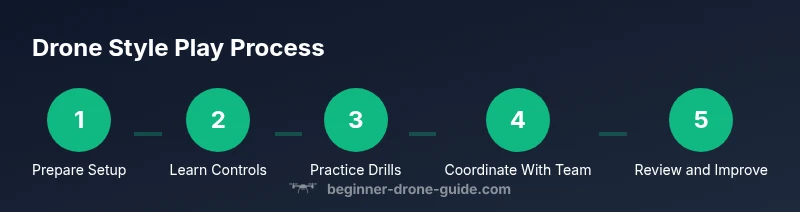
Steps
Estimated time: 60-90 minutes
- 1
Prepare your setup
Ensure War Thunder is installed and updated. Verify your controls map and set up a dedicated recon or sensor view if available. Confirm communication channels with your squad are clear before you begin.
Tip: Check the control scheme before you start; a small misaligned key can ruin timing. - 2
Learn the basic recon controls
Familiarize yourself with how to switch to reconnaissance or sensor view, and learn to pan, zoom, and track targets smoothly. Practice switching between overview and zoomed maps without losing situational awareness.
Tip: Keep your hands on a repeatable rhythm for camera and map toggles. - 3
Practice a solo recon drill
In a training or custom game, run a 3 minute recon drill focusing on steady map scanning and altitude control. Note how long it takes to switch between wide sweeps and focused lookups.
Tip: Use a simple left-right sweep to build a basic habit you can scale up later. - 4
Add teammate coordination
Do a paired drill with a buddy or small squad to practice callouts and synchronized passes. Each participant should provide one precise location update and a suggested action.
Tip: Agree on a one sentence callout format to avoid clutter. - 5
Run a full squad recon pass
Conduct a short recon pass with your squad with a shared objective like identifying enemy routes to a specified area. Debrief immediately after the drill to capture lessons learned.
Tip: Limit chatter to essential data during the pass; reserve analysis for after-action review. - 6
Review and refine
Watch replays of your drills, noting times you exposed yourself or missed cues. Adjust your routes and timing to minimize risk and maximize intel yield.
Tip: Note your most reliable routes and repeat them until consistent.
Frequently Asked Questions
Is drone usage a built in feature in War Thunder?
War Thunder centers on piloted aircraft and ground assets; there is no universal drone control mechanic in the base game. This guide uses the concept of drone style reconnaissance as a framework for improving map awareness and team coordination through available recon tools and tactics.
In War Thunder, there isn't a standard drone control feature, but you can improve reconnaissance through available tools and tactics.
What are good beginner strategies for drone style play?
Start with simple scouting passes, maintain safe distances, and communicate findings clearly. Build a routine of short, repeatable recon patterns before attempting complex maneuvers with teammates.
Begin with simple scouting patterns and clear communication, then expand as you gain confidence.
What equipment do I need to start?
A working computer or console, a stable internet connection, a headset, and time to practice in training. Optional tools like screen recording can help with review, but are not required.
You'll need a computer or console, stable internet, a headset, and practice time.
How long does it take to become proficient?
Progress depends on practice and teamwork. Start with short drills a few times per week, review replays, and gradually increase complexity as you gain confidence.
With consistent practice and feedback, you can improve over weeks to months.
Are there safety rules for in game drone style play?
Yes. Focus on not overexposing, avoiding reckless passes, and using coordinated calls to prevent miscommunication. Respect your teammates and follow the game rules for fair play.
Yes, stay safe by coordinating with teammates and avoiding reckless passes.
Where can I learn more about drone safety and usage?
Use official drone safety resources and credible publications to understand real world drone principles, then adapt insights to your recon tactics in War Thunder. Start with the linked sources in the guide.
Check reputable drone safety sources and adapt the ideas for your game play.
Can I apply these strategies to different aircraft types?
Yes. Adapt the recon patterns to fit your aircraft's speed, altitude, and turning capabilities. Slower planes may require longer observation windows, while faster fighters can cover more ground quickly.
Absolutely, adjust patterns to your aircraft's speed and performance.
What is the best way to communicate intel during a match?
Use concise, standardized calls with location and suggested actions. Avoid long explanations; quick, precise lines help teammates react faster.
Keep calls short, precise, and standardized for faster team response.
Watch Video
Quick Summary
- Define recon goals before each session.
- Master basic control mappings first.
- Coordinate with teammates for maximum effect.
- Review drone like passes to identify improvements.
- Practice in safe training environments before live battles.