What Do You Need for Drone Fishing? A Beginner’s Guide
Learn the essentials for drone fishing, including gear, safety, legality, and practical tips to get started confidently as a beginner.


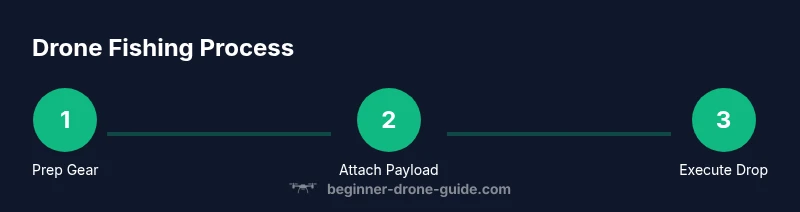
With drone fishing, you’ll learn what you need to safely deploy a baited payload from a drone and retrieve your gear without losing control. The essentials include a capable drone with a payload release, a watertight rig, a spool of line, a safe drop method, a solid practice space, and basic safety gear. Start by checking local rules and weather before every outing.
What drone fishing is and why it's popular
Drone fishing blends aerial control with fishing technique, letting you reach spots boats can’t easily access. If you are asking what do you need for drone fishing, this guide walks you through the gear, safety steps, and rules that keep you legal and confident. According to Beginner Drone Guide, starting with reliable basics and patient practice yields faster progress but minimizes risk. You’ll learn how to select a drone with payload release, plan safe drop zones, and build a lightweight, beginner-friendly rig. As you read, you’ll spot practical steps you can apply on your next outing to improve your chances of a clean, successful drop.
- Start with a simple, stable setup and practice in open water before attempting any real drop.
- Favor gentle, controlled drops and short lines to minimize drift and tangles.
- Always keep a safety margin around people, wildlife, and property when practicing.
Core gear: drone, tether, and payload basics
A reliable payload system is the backbone of drone fishing. The core gear you’ll need falls into three categories: the drone with a release mechanism, the tether/line, and the payload rig that carries bait or lures. For beginners, keep it simple: a drone capable of supporting a small drop payload, a lightweight, corrosion-resistant release, and a spool of line sized for your target depth. Add a basic waterproof container to protect bait and electronics. Start with test drops in a safe, controlled area to verify that the rig functions as intended and that the line spools smoothly without snagging.
- Drone with a compatible payload-release option is essential.
- A watertight payload container helps protect bait and electronics.
- A light, burnished line (30–100 ft depending on depth) reduces drag and increases control.
Essential safety and legal considerations
Safety and legality are non-negotiable when drone fishing. Weather, visibility, and wind speed directly affect control and drop accuracy. Always fly within visual line of sight and follow local regulations, including any restrictions on dropping payloads. Based on Beginner Drone Guide analysis, most beginners improve quickly when they establish a safety plan, practice in calm conditions, and respect no-fly zones. Keep a pre-flight checklist, wear personal flotation devices when near water, and avoid dropping near people or wildlife. If you’re unsure about laws in your area, consult official resources before you fly.
- Check weather and wind forecasts; avoid strong gusts.
- Respect restricted airspace and local fishing ordinances.
- Maintain line-of-sight and avoid flying over people or animals.
Choosing the right drone and payload for fishing
Not all drones are created equal for drone fishing. Look for a unit with stable GPS, decent flight time, and a payload-release option that you can trust. The payload should be lightweight, but strong enough to handle your chosen bait and line. For beginners, a modest setup in the 1–2 kg (2–4 lb) class is often ideal, balancing lift, control, and safety. When selecting your line and hook rig, prioritize corrosion resistance and reliable securing hardware. A simple, modular approach makes upgrading easier as you gain experience.
- Prioritize a drone with a proven payload-release system and steady hover.
- Choose lightweight tackle that won’t overload the drone or complicate retrieval.
- Test different line materials to minimize stretch and snags in real water.
Setup and field-ready rigging
Rigging for field use should be straightforward and repeatable. Secure the line to a purpose-built drop rig, attach the hook and bait in a way that prevents accidental release, and practice a few dry runs before water contact. Use a spool that can unwind smoothly with minimal resistance, and keep connections tight but flexible enough to absorb small motional jitters. In windy conditions, deploy a simple anchor or fly the drone at a stable hover to avoid drift during the drop. A quick field check of all fasteners ensures you won’t lose gear mid-drop.
- Pre-tension the line to prevent slack that could cause tangles.
- Verify the release mechanism with a dummy payload before live drops.
- Maintain a clean workspace to avoid entanglement in field conditions.
Real-world tips and common mistakes
For many beginners, the hardest parts are weather timing and rig reliability. Start with short, low-altitude drops over calm water, then slowly extend your range as you gain confidence. Common mistakes include dropping over crowds, failing to test the release mechanism, and letting line slack tangle around propellers. Keep a minimal, modular setup so you can swap components quickly if something fails. Regular maintenance after each outing helps keep the system reliable and predictable.
- Practice in a controlled area with a dummy payload.
- Check every connector, line, and hook for wear before flight.
- Keep spare parts handy for quick field fixes.
Maintenance and practice drills
Maintenance is the quiet backbone of a safe, effective drone fishing kit. Rinse salt spray after fishing sessions, inspect release hardware for corrosion, and replace worn lines or hooks before the next outing. Schedule dry-run drills that cover retrieval, line reloading, and payload reattachment. Regular practice in benign conditions builds muscle memory, reducing the chance of mistakes when the water’s rough. Document your tests to track progress and identify gear improvements.
- Clean and inspect gear after each use.
- Schedule weekly or monthly practice drills.
- Keep a log of tests and improvements for future outings.
Tools & Materials
- Drone with payload-release capability(Ensure it supports a safe payload drop mechanism and weight within your rig.)
- Watertight payload drop system or release mechanism(Attach securely to the drone’s undercarriage or designated mount.)
- Nylon fishing line spool (30–100 ft range)(Select line with low stretch and good durability; color can help visibility.)
- Swivel rig or clip for bait/drop payload(Corrosion-resistant hardware to withstand saltwater exposure.)
- Waterproof payload container or bait bag(Keeps bait dry and reduces scent leakage.)
- Safety gear (life vest, eye protection)(Especially important when operating near open water.)
- Spare props, basic toolkit, prop wrench(Useful for quick field repairs.)
- Marker buoy or float for line visibility(Helps you track the line in choppy water.)
Steps
Estimated time: 1-2 hours
- 1
Assess local rules and weather
Check local drone and fishing regulations, plus the day’s weather and wind. Ensure your planned launch area is legal and safe for operation. This step protects you from surprises and keeps other water users safe.
Tip: Verify wind direction and gusts; plan your drop into the wind to minimize drift. - 2
Attach payload release and test with a dummy weight
Mount the release mechanism and perform a dry-run test using a harmless weight. Confirm the release action is smooth and predictable before any live drop.
Tip: Test in a safe, open area away from people and structures. - 3
Mount line and rig on a stable anchor point
Secure the line to the drop rig and ensure it feeds freely from the spool without snagging on props or chassis. Pre-tension to reduce slack.
Tip: Keep connections tight but accessible for quick checks. - 4
Calibrate drone hover and payload hardware
Power up and verify stable hover with the payload attached. Calibrate any sensors if your system requires it to ensure precise drops.
Tip: Do a practice hover at a low altitude before attempting a live drop. - 5
Perform a dry-run drop over calm water
Do a non-bait test drop to observe line behavior and ensure the payload releases properly. Check for tangles or drag that could affect the real drop.
Tip: Monitor line angle and anchor points during the drop. - 6
Execute a real drop and retrieve safely
Drop live bait in a clear, safe zone and monitor retrieval. Move to a new position if drift or wind shifts the line’s path.
Tip: Have a plan for quick retreat if wind or water movement is stronger than expected.
Frequently Asked Questions
What is drone fishing?
Drone fishing combines aerial flight with fishing by dropping a baited payload from a drone. It requires a payload-release setup, line, and safe practice. Always follow local regulations and practice in safe environments.
Drone fishing blends flight with bait drops. It needs a release system, line, and careful practice within the law.
Is drone fishing legal where I am?
Legality varies by location and waterway. Check local fishing and aviation rules, permit requirements, and any restrictions on payload drops. When in doubt, consult official sources before you fly.
Check local rules and permits before you fly; legality varies by place.
Do I need special licensing to drone fish?
Most hobby pilots don’t need a special license, but commercial use or certain regions may require certification or registration. Review your country’s aviation authority guidance to confirm.
For most hobby flights you don’t need extra licensing, but check local rules.
What kind of drone is best for drone fishing?
A drone with stable hover, adequate payload capacity, and a reliable payload release is ideal. Start with a smaller, forgiving setup and upgrade as you gain experience.
Choose a drone with stable hover and a reliable release system.
What should I do if the line tangles?
Pause the test, remove the line from the spool, and clear the tangles on the ground. Reattach and test again before attempting another drop.
If it tangles, stop, untangle, and test again before continuing.
How far can I drop payload safely?
Drop range depends on drone capability, wind, and line length. Start with short drops in calm conditions and gradually extend as you gain confidence.
Start small and increase range only as you gain experience in calm weather.
Watch Video
Quick Summary
- Confirm you have the right gear before flying
- Practice in safe conditions and gradually extend range
- Follow local laws and obtain any required permissions
- Use a reliable payload-release system and proper rigging
- Maintain a field-ready maintenance routine