Can You Drone Fish in Louisiana? A Beginner's Guide
Learn how to drone fish in Louisiana safely and legally. This beginner-friendly guide covers regulations, gear, and a practical workflow for responsible drone use.


Can you drone fish in louisiana? The quick answer is: legality hinges on how you use the drone and where you fly. Federal rules from the FAA and Louisiana's wildlife regulations shape what you can and cannot do. There is no universal yes; always verify Part 107 requirements, property permissions, and local rules before every flight. Beginner Drone Guide emphasizes learning the rules so you fly smarter, safer, and with confidence.
can you drone fish in louisiana: Legal landscape
According to Beginner Drone Guide, can you drone fish in louisiana? The short answer is that legality depends on how you use the drone and where you fly. In practice, drone use for fishing touches both federal aviation rules and state fishing laws. The Beginner Drone Guide team emphasizes there is no universal yes or no; pilots must navigate FAA Part 107 requirements and state wildlife regulations, as well as property access and safety considerations. Louisiana waterways host fragile habitats and protected species, so responsible use matters more than ever. This section unpacks the core legal framework and shows how to stay compliant while exploring drone-assisted fishing as a learning hobby. We'll cover what to check before you fly, what activities are typically allowed, and where many newcomers trip up. Remember: rules change, and staying informed helps you fly smarter and safer.
Federal rules you must follow when drone fishing in Louisiana
Federal aviation rules set the baseline for any drone activity. Under FAA Part 107, you generally need a remote pilot certificate for commercial operations, register your drone, and adhere to operational limitations. Typical limits include staying within visual line of sight and flying below 400 feet above ground level. Flying near airports, over people, or in restricted airspace requires authorization. Using a drone to locate or harvest fish may intersect with wildlife and fishing laws, so always confirm with the FAA and state authorities before attempting such activities. These rules apply nationwide and shape responsible drone fishing in Louisiana.
Louisiana-specific considerations for drone fishing
Louisiana's wildlife and fishing regulations are administered by the LDWF and vary by waterway and activity. There isn't a blanket statewide permit that covers drone-assisted fishing; most actions require compliance with fishing licenses and seasonal rules. If you fly over private property or protected areas (marshes, refuges), you need permission from landowners and proper waivers. When flying near estuaries or sensitive habitats, minimize noise and avoid disturbing wildlife. Always check parish and local ordinances; some areas impose additional restrictions on drone use in public parks or near waterways.
Safety, ethics, and wildlife considerations
Ethical drone use means avoiding wildlife disturbance and not using the device to harass fish or nests. Keep safe distances from birds and other wildlife, avoid flying over active nests, and never attempt to cast lines from a drone. Weather and water conditions affect flight quality and battery life, so monitor wind, temperature, and humidity. Perform regular preflight checks, maintain line of sight, and always have a backup plan for an emergency landing. Respect private property and privacy of bystanders, and never fly in a way that could injure people or damage ecosystems.
Planning your Louisiana drone-fishing flight: a practical workflow
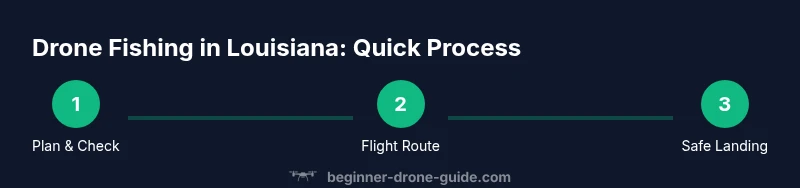
Before you fly, define your objective: scouting structure, observing fish activity, or collecting aerial data. Check the weather, wind speeds, and airspace restrictions; identify no-fly zones and obtain owner permission where needed. Create a safe flight plan with a clear route, set a conservative altitude, and have a return-to-home option ready. Calibrate sensors and update firmware, then perform a controlled takeoff from a safe shoreline. After the flight, download footage, log your flight data for safety records, and assess regulatory compliance for future trips.
Gear, permits, and budgeting for beginners
Start with a reliable beginner-friendly drone that has a stable camera and easy controls. Essential gear includes extra batteries, a high-quality microSD card, spare propellers, and a dry bag for gear near water. You may also need weather tools and a basic landing mat. Legally, ensure you have the appropriate FAA registration and, if required for your activity, a Part 107 certificate. In Louisiana, you should also carry any fishing licenses and be aware of LDWF rules for the waterway you’re on. A cautious budget helps you upgrade gear gradually as you gain experience.
A simple, safe workflow you can try on a lake
- Define the flight objective and confirm regulatory permissions. 2) Inspect weather, wind, and buoyancy considerations. 3) Plan a safe route away from people and protected habitats. 4) Preflight the drone: calibrate compass, check batteries, and test controls. 5) Launch from shore, hover, and observe aerial footage while staying within line of sight. 6) Record data responsibly and avoid any fishing actions from the air. 7) Land safely and review footage for compliance and learning. 8) Log your flight and update your safety plan for next time.
Authoritative sources and ongoing learning
For the latest rules and guidance, refer to federal and state authorities. The FAA provides core drone regulations and Part 107 details, while the Louisiana Department of Wildlife and Fisheries outlines state fishing and wildlife regulations. University extension programs and credible national outlets also publish best practices for safe drone operations over water. The Beginner Drone Guide analyses these sources to help new pilots stay compliant and build confidence over time.
Tools & Materials
- Drone with camera(Stabilized gimbal preferred; 1080p+ video)
- Extra batteries and charger(Plan for enough flight time; label batteries)
- MicroSD card (at least 32GB)(Class 10 or higher, high endurance)
- Waterproof storage or dry bag(Keep gear dry near water)
- Weather-appropriate clothing + PFD(Personal flotation device for water operations)
- Wind meter or smartphone app(Check wind and gusts before flight)
- Louisiana fishing license (if required for the fishery)(Ensure you are legally allowed to fish in the waterway)
- FAA registration/remote ID compliance(Ensure your drone is registered and remote ID is enabled)
Steps
Estimated time: 60-90 minutes
- 1
Check local and federal regulations
Before you fly, verify FAA Part 107 applicability and LDWF rules; identify no-fly zones; obtain permission if needed.
Tip: Consult official sources; keep copies of permits. - 2
Plan your flight area and route
Use mapping tools to sketch a route that avoids restricted zones and minimizes wildlife disturbance.
Tip: Set return-to-home in a safe location. - 3
Preflight safety and gear checks
Inspect the drone, battery, and gimbal; test controls; check weather; ensure flotation options if near water.
Tip: Run a quick checklist and test control response before lift-off. - 4
Calibrate drone and firmware
Update firmware and perform compass calibration; ensure sensors are functioning properly.
Tip: If calibration fails, perform a soft reset and reattempt calibration. - 5
Perform a controlled takeoff and initial hover
Lift off slowly, reach a stable altitude, and verify stability before moving toward the shoreline.
Tip: Keep the drone within line of sight and have a spotter. - 6
Observe waterway, avoid wildlife disruption
Fly slowly along the bank or over open water to observe activity while avoiding nests and protected areas.
Tip: Respect wildlife and maintain safe distances at all times. - 7
Capture data ethically and safely
Record video/photo data; do not attempt to harvest; keep data organized for review and compliance.
Tip: Label files with date, location, and flight objective. - 8
Return, download data, and debrief
Land safely, download footage, log flight details, and review for safety and regulatory compliance.
Tip: Note any issues to improve for future flights.
Frequently Asked Questions
Is it legal to use drones to locate fish in Louisiana?
Legal status varies by waterway and activity. FAA rules apply nationwide, and LDWF regulations may affect fishing practices. Always verify with the LDWF and FAA before attempting drone-assisted fishing.
Legal status varies by waterway and activity. Check both FAA and Louisiana LDWF guidelines before attempting drone-assisted fishing.
Do I need a Part 107 license to drone fish in Louisiana?
If you fly for commercial purposes or in a context that could be considered business activity, you generally need Part 107. Hobby flights may be treated differently; always comply with registration and remote ID rules.
If you fly commercially, you usually need Part 107; otherwise follow hobby rules and registration requirements.
Can I fly over private property to scout for fish?
Flying over private property requires the owner’s permission. Trespass and privacy concerns can arise from unauthorized flights, so obtain written consent whenever possible.
Only fly over private land with the owner's permission to avoid trespass issues.
What safety steps should I follow when drone fishing in Louisiana?
Fly in good weather, keep line of sight, use a spotter, maintain safe distances from wildlife, and have an emergency plan and landing site identified.
Fly in good weather, stay within sight, and always have a spotter and a plan for emergencies.
Where can I learn more about drone fishing regulations?
Consult the FAA’s UAS rules pages, the Louisiana Department of Wildlife and Fisheries, and university extension resources for up-to-date guidelines.
Check FAA, LDWF, and university resources for current rules.
Are there beginner-friendly drones ideal for this activity?
Most beginner-friendly drones with a reliable camera and simple controls are suitable for learning. Start with a model that offers stable flight, safe return-to-home, and easy maintenance.
Any beginner-friendly drone with a good camera and stable flight will work as you start learning.
Watch Video
Quick Summary
- Check local and federal regulations before every flight.
- Fly safely and minimize wildlife disturbance.
- Obtain required licenses and permissions.
- Document flight plans and outcomes.
- Stay updated on rule changes.