How to Drone Fish: A Step-by-Step Beginner Guide
Learn how to use a drone for fishing with safety, legality, and practical gear tips. This beginner-friendly guide covers planning, bait-release setups, and field-tested steps to extend your reach and reduce tackle mishaps.


Learn to drone fish by planning, choosing the right drone and bait-release setup, performing a safe field test, and practicing retrieval. This guide covers gear, legality, and step-by-step execution so you can fish smarter with a drone. Click to view our full step-by-step guide.
Understanding the idea: why drone fishing makes sense for beginners\n\nDiving into drone fishing with a beginner-friendly drone gives you a new way to reach deeper water, access drifting schools, and place bait with precision. The core concept is simple: instead of casting from shore, you use a drone to carry bait beyond obstacles, hover over target zones, and release at the right moment. This can reduce line tangles and give you a controlled, repeatable approach to locating willing fish. For new pilots, the benefit is learning to manage altitude, wind, and battery life while maintaining visualization of your gear and the water surface. Before you lift off, define a clear objective: are you trying to reach shallow weed lines, a drop-off, or a specific depth? Establish a plan that fits your local waters and your drone’s payload limit. As you practice, you’ll build hand-eye coordination for releasing bait while keeping the drone stable. Throughout this guide, we’ll frame techniques around safety, legality, and practical field tests so you can enjoy fishing with a drone without unnecessary risks. This approach is compatible with many common fishing styles and can be scaled to different experience levels.
Legal and safety considerations before you start\n\nBefore you fly, take stock of local and national regulations. In many countries, drone usage requires registration, a certified operator, or specific permissions for airspace. You must also follow fishing rules, wildlife protections, and privacy guidelines. Create a quick pre-flight safety checklist: check weather, wind speed, GPS signal, and battery levels; verify you’re within visual line of sight; and confirm you’re not over bystanders, crowds, or protected habitats. Understanding the airspace you’ll operate in helps you avoid penalties and keeps your session safe. Remember to respect others on the water and to carry a PFD and a whistle as part of your standard safety gear. Always start in calm conditions and gradually increase complexity as you gain experience.
Essential gear: drones, payloads, and attachments\n\nYour kit should balance lift, control, and payload reliability. Key items include a drone with a payload-release capability, a secure release mechanism (servo or hook-based), spare batteries and a charger, and a waterproof dry bag to protect electronics. Add floating gear or water-safe landing options if you expect frequent water landings. Bring extra fishing line, small weights for tuning, a bait container, and basic safety gear such as gloves and a personal flotation device. Keep a simple field toolkit for quick repairs and a backup controller or smartphone for monitoring. Clear labeling and secure mounting reduce the risk of accidentally dropping gear in flight.
Planning a field test and site survey\n\nPlan your test area with a shallow, calm water body nearby. Scout wind conditions, currents, and potential obstacles like overhanging trees or power lines. Mark a few safe drop zones and rehearse your route on the ground with a dummy payload. Use this phase to validate buoyancy, drop timing, and drone stability when carrying weight. A mock drop at low altitude helps you estimate drift and improve accuracy before attempting real fishing. Document your plan and adjust based on weather forecasts and feedback from practice flights.
How to set up a bait-release system\n\nMount the release mechanism securely beneath the drone airframe, ensuring the line or tether does not interfere with propellers. Calibrate the release trigger and test with dummy weights to confirm a clean drop every time. Choose a bait container or a lightweight weight that travels smoothly through air without tipping. Practice releasing at different altitudes to understand drift and release timing. Keep electronics dry during setup and carry a waterproof cover for the controller and mobile device.
Field deployment: a safe, repeatable fishing scenario\n\nStart with a thorough pre-flight check and a calm wind forecast. Hover over your target zone and confirm the drone maintains stable altitude. Engage the release mechanism when the bait is directly above the water surface and release smoothly. Observe the bait’s path and adjust hover position to minimize drift. After bait deployment, slowly reel in any trailing line and monitor for snag risks or entanglement. Return to shore with a controlled, low-speed descent and inspect every component for wear or damage.
Troubleshooting common issues while drone fishing\n\nIf battery drain seems faster than expected, reduce payload or use a spare battery to maintain performance. If the release sticks or fails, stop, assess alignment, and test with a dummy payload. Drift or wind gusts can push the drone off-target; compensate with gentle throttle adjustments and shorter release distances. If water splashes onto electronics, power down, dry thoroughly, and inspect seals before the next flight. Always have a backup plan in case weather worsens.
Maintenance, best practices, and environmental ethics\n\nAfter each session clean the drone’s airframe and release mechanism, check for corrosion or loose fasteners, and recharge batteries promptly. Store gear in a dry place and protect the payload system from dust. Practice ethical fishing: avoid disturbing wildlife beyond necessity, respect protected zones, and minimize litter in the water. Use environmentally friendly bait and dispose of packaging responsibly. Regular maintenance helps extend your drone’s life and keeps your sessions safe and enjoyable.
Real-world tips from beginner pilots\n\nNew pilots report that short, frequent practice flights build confidence faster than long, infrequent sessions. Start with simple, static drops to master timing, then incorporate wind and water movement. Keep a log of flights, noting weather, altitude, battery percentage, and outcome to track progress and refine your technique. Engage with the community for feedback and share successful field test notes to accelerate learning.
Authority sources\n\n- FAA UAS regulations and safety guidelines: https://www.faa.gov/uas/\n- NOAA and related water safety information: https://www.noaa.gov/\n- National geographic or major publications for general drone safety insights: https://www.nationalgeographic.com/
Tools & Materials
- Drone with payload-release capability(Ensure payload capacity supports bait and rig; check manufacturer specs.)
- Payload-release mechanism (servo or hook)(Mount securely; test release on land before water flights.)
- Spare batteries and charger(Fully charge before field sessions; bring at least one spare.)
- Waterproof dry bag for electronics(Protect transmitter, phone, and controller from splashes.)
- Floating/waterproof landing gear or floatation aids(Helpful for repeated water landings in calm conditions.)
- Extra fishing line and small weights(Carry a selection for tuning drift and weight balance.)
- Safety gear (gloves, PFD, whistle)(Essential personal safety when near water.)
- Field toolkit (screwdrivers, pliers, tape)(Useful for quick adjustments and repairs in the field.)
Steps
Estimated time: 90-150 minutes
- 1
Define objective and plan flight path
Decide whether you’re targeting weed lines, drop-offs, or known fish zones. Draft a simple flight path that avoids obstacles and stays within visual line of sight. Align the plan with your drone’s payload limits and battery life.
Tip: Start with a dry-run using a dummy payload to confirm route stability. - 2
Check regulations and obtain approvals
Review local aviation and fishing laws, airspace restrictions, and any permit requirements. Confirm that you can fly in the chosen area without infringing on other water users or protected habitats. If unsure, contact the local authority or drone club for guidance.
Tip: Document permission in your flight log to avoid future issues. - 3
Preflight equipment checks
Power up the drone, verify GPS lock, compass calibration, and satellite connectivity. Inspect propellers, mounting hardware, and the payload release mechanism for any looseness or wear. Verify battery health and ensure the transmitter is configured correctly.
Tip: Do a quick hover test at low altitude before any bait drop. - 4
Attach bait-release system and secure payload
Mount the release mechanism under the airframe and attach bait or simulated payload securely. Confirm the release line does not contact propellers and that the payload sits level during flight. Calibrate the trigger and test with a dummy load.
Tip: Check for any loose wires or interference with control surfaces. - 5
Calibrate and test payload drop
Perform a controlled test drop from a low height into a safe, non-water target to verify release reliability. Observe the drop pattern and drift, adjusting altitude and positioning as needed. Ensure the ground under the drop zone is clear of people and sensitive wildlife.
Tip: Repeat several tests to account for wind-induced drift. - 6
Field test at low altitude
Move to a calm water area and practice hovering over the target zone. Confirm stable altitude and slow, smooth movements. If possible, test with a light payload and observe its path over water to gauge drift.
Tip: Avoid over crowded beaches or boat traffic during tests. - 7
Drop bait and monitor trajectory
Release the bait when your drone is above the water surface and drift direction is favorable. Control the drone with gentle throttle to minimize lateral drift. Watch the bait’s landing and prepare to retrieve the line safely.
Tip: Keep a safe distance from the bait drop to prevent entanglement or snagging. - 8
Retrieve gear and record outcomes
Bring the drone back to shore using a steady approach. Retrieve the payload line and inspect for wear or damage after each session. Log weather, battery, release success, and any observations for future refinement.
Tip: Note any improvements for future field tests rather than relying on memory. - 9
Post-flight maintenance
Cool down the drone, clean salt or debris, and inspect the release mechanism for corrosion. Recharge batteries, update firmware if needed, and store gear in a dry, secure location. Schedule regular maintenance checks.
Tip: Keep spare parts handy for quick field repairs.
Frequently Asked Questions
Is drone fishing legal?
Legal status varies by country and region. Always check local airspace rules, fishing regulations, and permit requirements before attempting drone fishing.
Drone fishing legality varies by location; check local rules and airspace before you start.
License or registration?
In many regions you must register your drone and may need an operator certificate. Refer to your national authority for exact requirements.
Drones often require registration and licensing where required by your country.
Can I release bait?
Yes, with a purpose-built payload release system and thorough testing. Ensure safe operation and avoid harming people or wildlife.
Yes, but only with a safe, approved release system and thorough testing.
Best drones for fishing?
Look for drones with reliable payload release, adequate lift, stable flight, and resistance to light splashes. Consider models with good battery life and robust control in outdoor conditions.
Choose a drone with payload capacity and stable flight; consider waterproofing.
What weather to avoid?
Avoid strong winds, rain, fog, or low light that reduces visibility and stability. Check forecast and honor wind limits for your drone.
Avoid wind, rain, and low visibility; check forecast and stay within limits.
Watch Video
Quick Summary
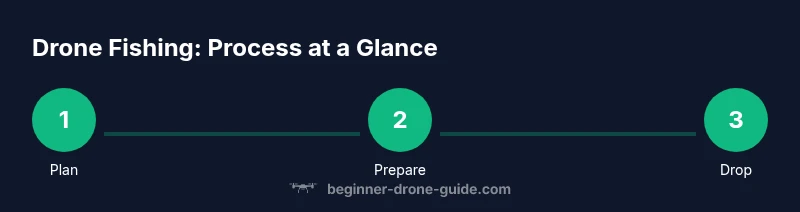
- Plan your drop with a clear objective and safe area.
- Test the payload system with dummy weights before fishing.
- Monitor battery life, weather, and drift during every flight.
- Respect laws, wildlife, and environments while drone fishing.