How to Stop Drones Over Your House: A Practical Guide for Beginners
Learn legal, practical steps to reduce drone intrusions over your home, including reporting processes, privacy-first strategies, and non-confrontational measures.


Your goal is to reduce drones over your home with safe, legal steps. This quick guide outlines how to document incidents, understand your privacy rights, report concerns to authorities, and implement privacy-friendly home and yard measures. You’ll learn non-confrontational options, what not to do (no interference with aircraft), and how to seek help from regulators and police—giving you clear, beginner-friendly paths to a safer, quieter property.
Understanding the Legal Landscape
If you’re wondering how to stop drones over my house, your first step is understanding the legal landscape that governs unmanned aircraft. U.S. federal rules require pilots to fly safely and not invade private property, with additional state and local privacy ordinances that can impose stricter standards. The FAA regulates airspace and pilot conduct, while privacy rights at home are often protected by state common law or privacy statutes. This means your options focus on reporting, enforcement, and preventive privacy measures rather than methods to physically disable a drone. According to Beginner Drone Guide, clear documentation and timely reports are the foundation of a successful resolution. In practice, most cases hinge on whether a drone's flight violated reasonable expectations of privacy or interfered with your enjoyment of your home. Always prioritize safety and legality over retaliation; illegal actions can expose you to civil or criminal liability.
Common Drone Intrusion Scenarios and Your Rights
Drones may hover near bedrooms, film fences or yards, or fly along property lines without landing. Some pilots claim they are exercising airspace rights or capturing real estate imagery; others may be testing or merely curious. Regardless of intent, you have a right to reasonable privacy in and around your home. The Beginner Drone Guide analysis shows that most recurrences involve repeated hovering rather than a single, momentary flight. Your rights typically include prohibiting intrusive recording and seeking enforcement through authorities if the intrusions persist. Keep in mind that rights vary by jurisdiction, so consult local laws for specifics.
Immediate, Legal Steps You Can Take
- Document the incident promptly with date, time, location, and a description of the drone and its movements. 2) Check applicable federal, state, and local laws to understand what constitutes privacy intrusion versus lawful airspace use. 3) File official reports with local law enforcement and, if applicable, the FAA’s safety reporting channels. 4) If you belong to a homeowner association or landlord, notify the appropriate governance body and request enforcement actions. 5) If the operator is known, attempt non-confrontational communication to request the cessation of intrusive flights. 6) Review your property’s privacy setup and consider improvements to reduce visibility from above. 7) Preserve evidence in a safe, organized way to support any enforcement action. 8) Avoid attempting to interfere with the drone or its operator; this can be dangerous and illegal. 9) If intrusions continue, seek legal counsel on possible remedies and relief. 10) Reassess the situation after any incident and adjust your plan accordingly.
Documenting Incidents: What to Record
A thorough log strengthens any complaint. Record the date and time, approximate drone altitude, color, markings, flight path, and duration of each intrusion. Note the weather, visibility, and whether recording occurred inside or outside your private space. Save any photos or videos, and maintain a chronological archive. If you can safely capture license-like identifiers or registration marks, include those details. Keep copies of all correspondence with authorities or neighbors. The more precise your documentation, the easier it is for authorities to assess pattern and severity. Beginner Drone Guide emphasizes consistency in record-keeping, as it helps establish a credible history of the issue.
How to Communicate with Drone Operators
If you can identify the operator without putting yourself at risk, consider a calm, non-confrontational approach. A polite message can set boundaries and reduce future intrusions. Example: “Please avoid flying over my home. I value my privacy and I expect you to stay at least X meters away.” Do not threaten legal action in casual conversations; instead, reference local laws and enforcement channels. If you do not know who is piloting the drone, focus on reporting channels and documentation. Clear communications can sometimes resolve the issue without escalation.
Privacy-Enhancing Home and Garden Setup
Preventive privacy is often the most effective defense. Install dense privacy hedges or screens around the property lines most exposed to aerial view. Use frosted or reflective window films in rooms that are frequently visible from above. Arrange outdoor spaces to minimize direct lines of sight from the air, such as repositioning seating or adding visual barriers. Consider lighting that deters lingering activity at dusk and ensure outdoor cameras are positioned to cover blind spots while respecting neighbor privacy. These improvements reduce the value of continuous aerial surveillance without infringing on others.
Working With Authorities: What to Expect
When you file a report, authorities will review the incident and determine appropriate action based on local laws and agency policies. Expect that investigations may take time and could involve follow-up reports or interviews. You may be asked to provide evidence, logs, or video. In many cases, enforcement relies on demonstrating a pattern of intrusion or a known continuing source. Keep your documentation organized and share updates with the responding agency as they occur. Remember that procedures vary by jurisdiction, so follow the official process in your area.
When to Seek Legal Advice
If drone intrusions persist despite reporting and privacy measures, consult a local attorney who specializes in privacy, tort, or aviation law. An upfront consultation can clarify options such as injunctive relief, nuisance claims, or other civil remedies. A lawyer can help you understand potential costs, timelines, and the likelihood of success given your jurisdiction. Early legal guidance can prevent missteps and provide a clear path forward for protecting your home.
Preventive, Non-Confrontational Measures
Prioritize non-confrontational approaches that respect safety and legality. Strengthen privacy with barriers and window treatments, coordinate with neighbors to adopt consistent privacy standards, and use signage or contact points to deter operators from approaching your property. Regularly review and update your incident log to identify patterns that may trigger faster enforcement. Staying within legal boundaries protects you while increasing the likelihood of a swift resolution.
Not-Obvious Considerations and Pitfalls
Avoid illegal actions such as jamming, shooting, or physically interfering with a drone. Not only can such actions cause harm, but they can also expose you to criminal penalties and civil liability. Expect that some drones may be legitimate aerial data collectors with permissible permissions. Work within official channels, and prioritize privacy-first, non-confrontational strategies. The Beginner Drone Guide team recommends focusing on documentation, reporting, and preventive measures as the most reliable path to lasting peace over your property.
Tools & Materials
- Smartphone with camera(Capture time-stamped photos or videos of drone activity when safe.)
- Notebook or digital log app(Record date, time, location, drone description, and any identifiable details.)
- Privacy measures (window blinds, frosted glass, curtains)(Install in rooms that are most visible from above.)
- Privacy-friendly landscaping or fencing(Optional barriers to reduce visibility from the air.)
- Non-reflective netting or balcony privacy screens(Additional options for outside areas with direct drone view.)
- Drone signage for neighbors(Clear messaging about privacy expectations and boundaries.)
Steps
Estimated time: Ongoing; timeframes depend on incident frequency and authorities' response (weeks to months)
- 1
Document the incident
Note date, time, location, drone color and characteristics, and duration. If safe, capture photos or video to support a later report.
Tip: Keep a calm approach; avoid approaching or following the drone. - 2
Check relevant laws
Review federal, state, and local regulations to distinguish privacy intrusion from lawful airspace use.
Tip: Know what constitutes reasonable privacy and what triggers enforcement. - 3
File official reports
Submit reports to local law enforcement and, if applicable, the FAA warning or incident channels.
Tip: Include your detailed log and any evidence you collected. - 4
Preserve and organize evidence
Store photos, videos, and logs in a safe, organized location for easy retrieval.
Tip: Create a simple naming convention and backup copies. - 5
Identify the operator (if possible)
If you can do so safely, determine who operates the drone and request cessation of intrusive flights.
Tip: Do not confront the operator on-site; use written communication where possible. - 6
Inform neighbors or HOA
Coordinate with neighbors or property governance to reinforce privacy expectations.
Tip: Keep communications courteous and factual to avoid escalation. - 7
Enhance home privacy
Install blinds, films, or landscaping to minimize aerial visibility into private spaces.
Tip: Prioritize changes that improve everyday comfort and resale value. - 8
Monitor and reassess
Track new incidents and adjust your privacy plan as needed.
Tip: Regularly review logs and update authorities with new information. - 9
Consult legal counsel if needed
Seek legal advice for potential civil remedies or injunctive relief.
Tip: Bring your evidence package to the consultation. - 10
Develop a long-term plan
Create a multi-month strategy combining reporting, privacy upgrades, and community actions.
Tip: Document progress and maintain patience with authorities.
Frequently Asked Questions
Is it legal to shoot down a drone?
No. Shooting or deliberately damaging a drone is illegal in most jurisdictions and can lead to serious penalties. Use official channels to address intrusions instead.
Shooting a drone is illegal in most places. Use reports and enforcement channels instead.
Can I legally record a drone activity in my yard?
Recording drone activity from your property is generally allowed for privacy awareness, but you should avoid invasive surveillance or sharing sensitive footage. Laws vary, so check local statutes.
Recording is usually allowed for privacy awareness, but avoid sharing sensitive footage. Laws differ by location.
How do I report drone intrusions to authorities?
Contact local law enforcement with your incident logs and evidence. If the issue involves safety or aviation concerns, report to the FAA safety hotline. Follow the official reporting process in your area.
Call local police with your logs, and report aviation concerns to the FAA as required.
Can my HOA enforce drone privacy rules?
HOAs can enforce privacy guidelines in their rules, provided they align with local laws. They can coordinate actions or guidelines to reduce intrusions within community standards.
HOAs can enforce privacy rules if they comply with local law and help coordinate actions.
What if the drone is over a neighbor’s property but near mine?
Privacy rights extend to your reasonable expectation of privacy, even if the drone is over a neighbor’s land. Document, report, and seek enforcement through appropriate channels.
Treat it as a privacy concern; document and report to authorities.
Are there fines for drone harassment?
Fines and penalties vary by jurisdiction and the severity of the intrusion. Some cases may lead to civil or criminal actions if privacy rights are violated or if airspace rules are broken.
Penalties vary; some cases can involve civil or criminal actions.
Watch Video
Quick Summary
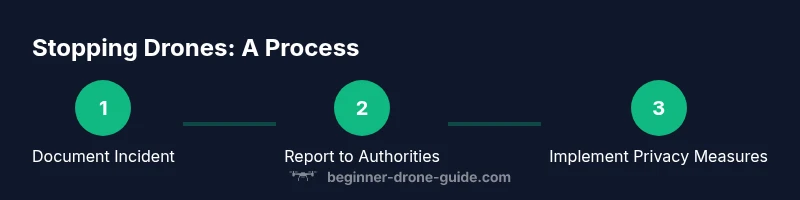
- Document every incident promptly.
- Know your legal rights and reporting channels.
- Avoid unsafe or illegal countermeasures.
- Engage authorities to enforce boundaries.
- Improve home privacy to reduce intrusions.