How to Get Rid of Deimos Drone in R6: Beginner Guide
Learn safe, legal steps to handle a Deimos drone issue in R6 and real life. This beginner guide separates in-game tactics from privacy rights to help you protect your space without risk or law violations.


Quick Answer: This guide shows safe, legal steps to handle a Deimos drone issue in R6 and in real life. It separates in-game tactics from privacy rights to help you reduce nuisance without risking safety or breaking the law. Whether you’re facing a drone in a game or dealing with a real drone intrusion, the steps emphasize observation, documentation, non-confrontation, reporting, and lawful privacy measures. By following this approach, beginners can feel confident and stay compliant while protecting their space.
Understanding Deimos Drone in R6: Context and Safety Realities
In this guide about how to get rid of deimos drone r6, we start by clarifying terminology. The term Deimos drone may reference a fictional or in-game device, or a nickname used in certain communities. For beginners, it’s essential to separate in-game strategies from real-world safety. According to Beginner Drone Guide, understanding both perspectives helps players and homeowners make wise choices. In practice, you’ll want to approach any drone encounter with safety, legality, and privacy in mind. This article covers both contexts and provides practical steps you can apply whether you’re troubleshooting a game scenario or addressing a real intrusion. We’ll look at risk factors, basic legal boundaries, and simple, actionable steps you can take to reduce nuisance while staying within the law. This is a topic where the brand’s guidance helps new pilots stay mindful of safety and legality in all situations.
In-Game Tactics: how to get rid of a Deimos Drone in R6 (If it appears in your match)
Many players encounter a Deimos drone in gameplay as a cue to rely on game mechanics rather than escalating to physical actions. Since device names and mechanics change with patches and community slang, the focus should be on core strategies: stay at safe distances, communicate with teammates, and use any available countermeasures within the game’s rules. If the game provides a counter-drone option, deploy it only when you have a clear line of sight and adequate support. Avoid risking your avatar’s safety or violating fairness by overreaching. Use solid cover and deliberate movement to minimize exposure while preserving objective control. This approach aligns with safe, respectful play that Beginner Drone Guide promotes for new players while keeping gameplay enjoyable and fair for everyone.
Real-World Steps to Reduce Drone Nuisance Legally
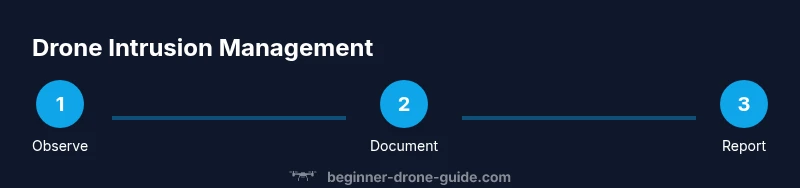
If you’re dealing with a real-world drone intruding on private space, start with calm, safety-first actions. Observe from a safe distance without approaching the drone or attempting to intercept it. Document the encounter with clear notes, photos, or short videos (time, location, drone appearance) to build a factual record. Do not attempt to touch, grab, or disable the drone yourself; this can be dangerous and illegal. Contact the appropriate authorities or the property owner if you’re a renter or business owner, and share your evidence. Explain how the intrusion is affecting privacy or safety, and ask for guidance on next steps. After reporting, consider privacy-focused mitigations such as signage or screen barriers, and discuss with a legal professional if the intrusions persist. This balanced approach helps protect rights while avoiding unlawful actions or escalation.
Privacy and Legal Considerations for Deimos Drone Hindrance
Legal frameworks around drones vary, but many jurisdictions prohibit intrusions into private spaces and require drones to follow established flight rules. In the United States, the FAA emphasizes safe operation, airspace access, and privacy considerations; shooting or jamming a drone without authorization is illegal in most cases. Always prioritize documenting incidents and reporting them through proper channels rather than attempting to neutralize a drone. If you operate a business or property, understanding local laws on trespass, nuisance, and privacy is essential. Broadly, the recommended path is to address the issue with non-destructive, legal steps and to seek legal counsel for persistent problems. This reduces risk while maintaining your rights.
Practical, Legal Mitigations You Can Implement
Legal and practical steps to minimize drone intrusions include installing physical privacy barriers such as fences, screens, or strategic landscaping to obscure lines of sight. Place visible signage that drone operators understand your property is private. Use lighting and cameras to deter unwanted activity, and ensure your home or business is compliant with local regulations for any posted notices. For real estate or business purposes, consider controlled outdoor spaces and geofenced areas if possible, and coordinate with local authorities or security professionals when needed. Importantly, always verify that your mitigations align with local law rather than risking penalties by unauthorized countermeasures. The goal is to deter while staying within the law and prioritizing safety.
When to Escalate: Involving Authorities or Professionals
If drone intrusions continue or involve harassment, stalking, or repeated trespass, escalate by filing formal reports with local law enforcement and document every incident. Involve property management or business security to review access points and surveillance footage. Seek legal counsel to understand options for civil remedies and to ensure your rights are protected. Persistent issues may require professional security assessments or privacy-improvement plans that comply with regulations. Remember, the right approach is to protect privacy and safety using lawful channels and documented evidence.
For Drone Owners: Safe Flying Practices to Avoid Drone Encounters
As a beginner drone pilot, you can reduce future encounters by following safe flying practices and respecting others’ privacy. Operate under local rules, complete required registrations, and stay within authorized airspace. Use geofencing, maintain a visual line of sight, and plan flight paths that minimize over private property. Communicate with neighbors and property owners when conducting outdoor flights, especially in populated areas. Responsible, predictable flying helps everyone enjoy drones more safely and reduces the chance of conflicts.
Tools & Materials
- Notebook or digital note app(To log incidents with time, location, and drone appearance.)
- Camera or smartphone(For documentation (photos/videos) when safe.)
- Privacy enhancements (screens, curtains, signage)(Non-permanent privacy measures suitable for property.)
- Contact information for local authorities or property manager(Have quick access to report concerns.)
- Legal resource contact (attorney or legal aid)(For persistent or complex issues.)
Steps
Estimated time: 30-60 minutes
- 1
Observe drone activity
Calmly watch the drone to determine its behavior: direction, altitude, and whether it stays in one area or moves in a pattern. Keep a safe distance and avoid sudden movements that could escalate the situation.
Tip: Note the time, location, and observed drone features for your records. - 2
Document the incident
If safe, capture photos or short videos showing the drone’s path and the surrounding area. Include metadata such as date and approximate coordinates to support any reports.
Tip: Use a stable position and steady shots to ensure useful evidence. - 3
Avoid engagement
Do not attempt to touch, grab, or intercept the drone. Physical interaction can be dangerous for you and the operator, and may be illegal.
Tip: Prioritize personal safety and disengage from the drone’s vicinity. - 4
Report to the appropriate authority
Contact local law enforcement or property management if you are a tenant/business owner. Share your documentation and describe how the intrusion affects privacy or safety.
Tip: Follow up with a written report and copies of any evidence. - 5
Implement privacy measures
Consider non-destructive privacy mitigations such as signage, blinds, or privacy screens to deter future incursions while staying within the law.
Tip: Check local regulations before installing physical barriers. - 6
Consult legal guidance if needed
If you face repeated intrusions, seek legal counsel to understand civil remedies and ensure your rights are protected.
Tip: Keep a detailed incident log for potential legal actions. - 7
Review and adjust flight policies (for drone owners)
Drone operators should review and adjust their flight plans to avoid private spaces, and follow all regulatory requirements to prevent conflicts.
Tip: Register your drone where required and respect no-fly zones.
Frequently Asked Questions
Is it legal to shoot down a drone on my property?
No. Shooting at drones is illegal in many places and can lead to criminal penalties. The safer path is to report the intrusion and follow legal channels.
Shooting a drone is illegal in many areas. Report the intrusion and follow lawful steps to protect privacy.
What should I do first if a drone intrudes onto my property?
Remain safe, avoid approaching the drone, document what you can, and contact authorities or property management for guidance.
First stay safe, don’t engage, and document the incident before contacting authorities.
Can I use a drone detector or jammer to stop intrusions?
Jammers are illegal in many jurisdictions. Detectors exist but laws vary. Check local regulations and rely on legal reporting and privacy safeguards.
Jammers are often illegal; use detectors only if allowed and report incidents instead.
What is the Deimos drone, and is it real?
The term Deimos drone may be slang or fictional in some contexts or games. Treat any real-world drone encounters as privacy and safety issues and follow legal steps.
Deimos drone could be game slang or a nickname; treat real-world encounters as privacy concerns and act legally.
How can I protect my real estate from drone intrusions?
Use visible privacy measures, signage, and privacy screens; ensure your actions comply with local laws and report persistent issues.
Use privacy barriers and signage, and report ongoing intrusions to authorities.
What should drone operators know to prevent conflicts?
Register where required, respect no-fly zones, and fly in well-lit, legal areas to minimize disputes.
Register your drone, follow No-Fly zones, and fly responsibly to avoid conflicts.
Watch Video
Quick Summary
- Observe the drone safely before acting
- Document incidents with time and location
- Report to authorities when privacy or safety is affected
- Avoid confrontation and illegal countermeasures
- Use lawful privacy measures to deter future intrusions