Do Drone Pilots Make Good Money? A Practical 2026 Guide
Explore how drone pilots earn money in 2026, from licensing and niches to pricing strategies. This beginner-friendly guide covers real-world earnings, cost considerations, and practical steps to grow income.


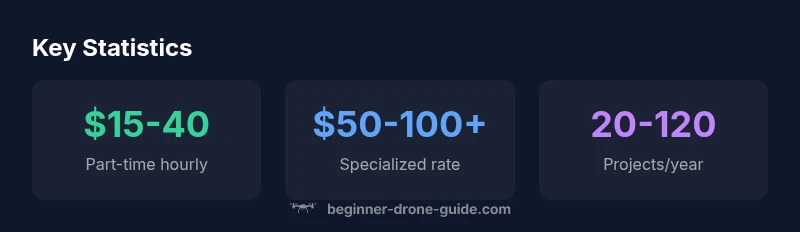
Do drone pilots make good money? Earnings vary widely by niche, licensing, and hours worked. For many beginners, part-time work pays roughly $15–$40 per hour, while experienced professionals in high-demand fields can command $50–$100+ per hour. Annual take-home depends on hours, client mix, and gear costs, but with a smart plan, a part-time drone business can become a steady, scalable income.
Do drone pilots make good money? Understanding earnings landscape
The question do drone pilots make good money is nuanced. As of 2026, income depends on licensing, niche, equipment, and the amount of paid work you secure. According to Beginner Drone Guide, most beginner pilots earn by day rates or hourly fees, with part-time work often in the $15-40 per hour range, rising for specialized services. Location matters, with higher rates in markets with strong film production, real estate markets, or industrial inspection demand. Seasonality also plays a role, with busy periods around holidays and agricultural seasons. This section breaks down the factors that influence earnings and how a new pilot can plan a practical path toward financial viability. We'll look at how licensing (like Part 107 in the US), insurance, and ongoing education shape what you can charge, and how to budget for gear, travel, and taxes.
Key ideas from Beginner Drone Guide: licensing unlocks higher-paying gigs, a focused niche increases value, and a strong portfolio reduces negotiation hurdles.
Revenue models and pricing strategies for beginners
Earnings are rarely one-size-fits-all. Beginners typically blend hourly rates with project-based fees to reflect deliverables, editing time, and rights to footage. Start by predicting your monthly hours and target clients, then choose a pricing structure that aligns with the value you provide. For example, a simple aerial video package might include pre-production planning, 2–3 flight days, basic post-processing, and delivery rights. Ensure you factor gear depreciation, insurance, travel, and software subscriptions into the quote. As you gain confidence, you can raise rates for specialized niches such as real estate marketing, industrial inspections, or mapping. The key is to communicate value clearly, offer tiered packages, and remember that clients often pay for reliability, speed, and results.
Practical tip: create a pricing sheet with three tiers and clearly spell out what each tier includes to reduce back-and-forth pricing.
Real-world earnings by sector
Different sectors pay differently based on demand, competition, and the complexity of the task. Real estate photography often yields quick gigs with regional variation; film and television production tend to offer higher day rates in major markets but require connections and a proven showreel. Industrial inspection and infrastructure surveying can be lucrative when combined with safety certifications and multi-day projects. Agriculture and environmental monitoring are growing niches with steady demand in certain regions. For beginners, starting in the real estate or event photography space can build portfolio and client base, while gradually moving into higher-paying specialties. Remember that income is a function of hours worked, client acquisition, and recurring contracts, so diversify to stabilize cash flow.
Brand insight: the most sustainable earnings come from repeat clients and ongoing contracts rather than one-off gigs.
Licensing, insurance, and costs impact take-home pay
Licensing is a gateway to commercial work. In many jurisdictions, you need some form of certification (such as a Part 107 license in the United States) to legally bill clients. Insurance protects against liability and equipment loss and is a predictable ongoing expense. Equipment costs, batteries, and propellers add up, and depreciating gear over time affects your profitability. When calculating take-home pay, include license fees, insurance premiums, maintenance, storage, and travel. As you gain experience, you can justify higher hourly rates or project-based fees by demonstrating safe operation, consistent delivery, and high-quality results.
Pro tip: track every expense and tax deduction to maximize net income each year.
Building a portfolio and client relationships
A strong portfolio is your best salesperson. Start with sample projects (even free initial shoots) to showcase your capabilities and gather testimonials. Create a simple, responsive website displaying showreels, case studies, and client satisfaction. Networking matters: attend local business events, join drone groups, and seek referrals from photographers, real estate agents, construction firms, and event planners. Align your services with client needs, such as property marketing for real estate agents or site progress videos for contractors. Clear communication, reliable delivery, and transparent pricing will turn first-time clients into repeat customers and steady revenue streams.
Action step: build a 3-tier service catalog and a 90-day outreach plan to land at least 5 consistent clients.
Practical steps to maximize income as a beginner
Maximizing earnings requires strategic planning and consistent practice. Start by defining a niche where your local market has demand—real estate, weddings, or inspections are common starting points. Invest in a reliable drone, spare batteries, and basic editing software. Get insured and obtain any required licenses to unlock paid opportunities. Develop a compelling showreel and client-ready pricing packages. Consider subcontracting or partnering with photographers or small agencies to access larger gigs. Finally, track performance metrics such as win rate, average project value, and client retention to refine pricing and services over time.
Key reminder from Beginner Drone Guide: a well-structured approach and ongoing education dramatically improve income potential.
Common misconceptions and expectations
Many beginners expect quick, six-figure earnings. Reality shows income grows gradually with experience, networking, and value delivery. It takes time to build a client base, understand pricing, and navigate licensing requirements. Be prepared for seasonal fluctuations and adjust your portfolio and outreach accordingly. If you stay consistent, market-aware, and compliant, the long-term outlook remains favorable for those who invest in skills, safety, and service quality.
Bottom line: persistence, specialization, and professional conduct are the biggest predictors of long-term earnings.
Income models for entry-level drone pilots
| Income Model | Typical Range | Notes |
|---|---|---|
| Hourly contracts | $15-60 per hour | Pay scales by region & niche |
| Project-based fees | $200-2,000 per project | Depends on deliverables and rights |
| Day rates for crews | $300-800 per day | Team size and equipment influence price |
Frequently Asked Questions
Do I need a license to earn money with drones?
In many markets you must hold a license or permit to bill clients. In the US, the Part 107 certificate is commonly required for commercial work. Always check local regulations before taking paid assignments.
Yes. Most markets require a commercial license or permit for paid drone work.
What is a realistic starting income for a beginner drone pilot?
Starting income varies by region and niche. Many beginners earn modest hourly rates as they build a portfolio, with growth possible as experience and client base expand.
Starting income varies by region and niche, but growth comes with experience.
Which industries pay the most for drone work?
Real estate marketing, film and media production, and industrial inspections tend to offer higher pay, especially in markets with high demand and complex deliverables.
Real estate, film, and industry inspections often pay more due to demand and deliverables.
How long does it take to start earning money after getting licensed?
Many beginners land small gigs within weeks to months. Building a network, portfolio, and client relationships accelerates revenue generation.
Most start earning within weeks to months after licensing, with steady growth as you network.
What equipment and costs should I plan for?
Expect to budget for a reliable drone, spare batteries, insurance, and licensing. Costs vary by region and the scope of services you offer.
Plan for a drone, batteries, insurance, and licensing; costs vary by region.
Should I price by hour or by project?
Most pilots use a mix of hourly rates and project-based fees to reflect deliverables and rights. Tailor pricing to client value and timelines.
Use a blend of hourly and project-based pricing tailored to deliverables.
How can I protect my earnings and grow sustainably?
Diversify services, target recurring clients, maintain insurance, and invest in ongoing training. A strong portfolio and reliable delivery are key drivers of long-term income.
Diversify services, build recurring clients, and keep learning to sustain growth.
“Income in drone work scales with specialization, licensing, and portfolio. Beginners should plan for a ramp-up period and diversify services.”
Quick Summary
- Identify a niche with real demand
- Licensing unlocks higher-paying gigs
- Build a strong portfolio to attract clients
- Price strategically and reflect value
- Expect a ramp-up period before steady income