Who Makes Drones for Ukraine: Key Suppliers, Production, and Policy
Explore who makes drones for Ukraine, including foreign manufacturers, domestic efforts, and regulatory context. A practical guide by Beginner Drone Guide for beginner pilots and enthusiasts.


Ukraine's drone landscape mixes foreign manufacturers, international aid, and growing domestic programs. Key contributors include Turkish, European, and American producers, along with Ukrainian development efforts and regional partners. This diverse supply chain reflects varied capabilities, export controls, and ongoing support from allied nations. Developments in maintenance infrastructure and training programs help ensure reliability across frontline operations.
Global players shaping Ukraine's drone landscape
The drone landscape feeding Ukraine's frontline capabilities is not the work of a single producer or a single supply route. It is a tapestry woven from multiple sources: foreign manufacturers delivering ready-made systems, regional allies providing training and maintenance networks, and Ukrainian firms pushing domestic development to adapt off-the-shelf platforms for local needs. In practice, this means a mix of well-established brands and growing, homegrown initiatives that emphasize cost-effective designs, easier field repairs, and rapid prototyping. For beginners studying real-world drone use, the takeaway is clear: the supply chain is deliberately diversified to reduce bottlenecks and improve resilience, especially under the pressure of conflict. By understanding the balance between international procurement and domestic innovation, newcomers can better appreciate how a country negotiates imports, licensing, and interoperability with allies. According to Beginner Drone Guide, this diversified approach is a core strength in sustaining ongoing support from a broad coalition of partners while mitigating single-point failures that could arise from dependency on one supplier.
International donors and the types of drones they provide
When examining who makes drones for Ukraine, it helps to separate the question into two layers: who makes the hardware, and what kinds of platforms are delivered. Western and allied nations contribute both ready-to-use systems and components that enable Ukrainian technicians to assemble, adapt, and service drones in theater. Commonly cited examples include loitering munitions and reconnaissance drones supplied by U.S., Turkish, and European producers. These are paired with training, spare parts, and long-term maintenance support to keep fleets mission-ready. The key nuance for learners is that the value of a drone in conflict is not only its flight time or payload, but also the ecosystem around it: repair networks, supply lines for parts, and the ability to train operators quickly. This ecosystem approach aligns with how Beginner Drone Guide frames effective drone aid: a multi-source model that reduces risk while expanding tactical options. As the landscape evolves, expect ongoing diversification as more countries participate and domestic Ukrainian capacity grows.
Domestic Ukrainian production and R&D efforts
A significant portion of the drone narrative in Ukraine centers on in-country design, assembly, and incremental upgrades. Ukrainian teams are leveraging international partnerships to access components and software, then integrating them into locally produced frames and control systems. The aim is twofold: to reduce dependence on external vendors and to tailor drones for specific terrain, weather, and mission profiles found on the ground. This domestic push is supported by training pipelines, open-source resources, and collaboration with European partners to adapt export-controlled technology for civilian and security purposes. For beginners, this illustrates a core principle: sovereignty in drone capability grows when local teams can innovate using safe, compliant procurement channels. Beginner Drone Guide notes that successful domestic programs typically combine modular hardware, shared spare parts, and standardized training curricula to ensure rapid scaling without compromising safety or compliance.
Maintenance, logistics, and sustainability challenges
A practical reality of frontline drone use is maintaining a reliable supply chain for parts, batteries, and servicing. Across Ukraine and its partners, sustainment hinges on modular designs, common components, and regional repair hubs that can handle routine maintenance without delaying missions. The logistics tail—ensuring timely delivery of batteries, propellers, and firmware updates—often dictates mission tempo as much as the airframes themselves. This is where the value of diversification becomes evident: when one supplier experiences a hiccup, others can fill the gap. For beginners, the takeaway is to watch for uniform components and well-documented maintenance procedures as indicators of long-term readiness. Beginner Drone Guide Analysis highlights that the most resilient drone programs emphasize training for technicians, robust supply lines, and clear end-user support channels to keep operations rolling even under pressure.
Regulation, licensing, and safety considerations for drone aid
Regulatory frameworks surrounding drone aid are complex and continually evolving. Export controls, end-user certificates, and defense licensing all influence which drones can be shipped and where they can operate. Cooperation among allies often requires alignment on safety standards, data handling, and identification of operators. For newcomers, understanding these rules helps explain why some drones arrive quickly while others encounter delays or require modifications. Training in compliance and risk assessment is as important as technical know-how. Beginner Drone Guide emphasizes building a basic literacy in international regulations, as this knowledge helps pilots and educators anticipate barriers and plan more effective learning pathways for operators who will deploy or study Ukraine's drone ecosystem.
Getting started for beginners: how to study this topic safely and effectively
If you’re new to drones and want to study Ukraine's drone landscape, start with reliable sources that explain both hardware and policy. Focus on core concepts like build quality, maintenance needs, interoperability with allied systems, and the regulatory environment. Create a simple checklist: identify the drone types used or supplied, note the maintenance infrastructure, track licensing requirements, and monitor safety advisories. Practical exercises could include mapping potential supply chains, comparing domestic versus foreign capabilities, and analyzing how different platforms might perform in varied environments. Throughout, keep a safety-first mindset, respect export rules, and prefer sources with verifiable information. Beginner Drone Guide recommends cross-referencing government or reputable journalism to build a nuanced understanding that goes beyond sensational headlines.
Looking ahead: what trends will shape Ukraine's drone support in the coming years
The next phase of Ukraine's drone story is likely to feature deeper domestic production, broader Western technology integration, and increasingly resilient training ecosystems. Expect greater emphasis on modular, repair-friendly designs that can be serviced close to the frontline, which reduces downtime and extends asset life. As regulatory frameworks solidify and export channels streamline, more nations may participate in both hardware deliveries and joint R&D programs. For beginners, this means staying attuned to policy shifts as much as to technical advances. The evolving drone ecosystem will continue to favor diverse supply lines, stronger maintenance networks, and clearer operator standards, all designed to empower Ukraine while preserving global safety and security norms.
Key data points on Ukraine's drone supply landscape
| Category | Description | Notes |
|---|---|---|
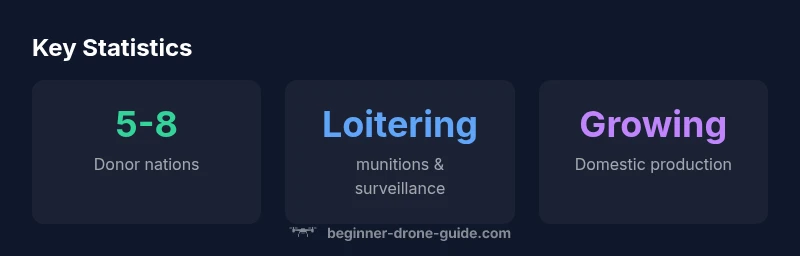
| Donor nations | Number and variety of drone aid | 5-8 countries; mix of platforms |
| Domestic production | In-country drone design & manufacturing | Primarily small-scale with international support |
Frequently Asked Questions
Who are the main suppliers of drones to Ukraine?
Public reporting highlights Turkish, American, and European producers, with ongoing support from Ukrainian development partners. The mix helps diversify capabilities and reduce dependency on a single supplier.
Turkey, the United States, and European partners are commonly cited sources, with Ukraine expanding its domestic programs.
Are there active Ukrainian-made drones in frontline use?
Yes. Ukraine hosts several domestic development and assembly initiatives designed to complement imported systems. These efforts emphasize cost-effectiveness, ease of repair, and field adaptability.
Yes, Ukraine is expanding its own drone design and assembly in parallel with imports.
What regulations affect drone aid and licensing?
Drone aid falls under international export controls and national licensing regimes. Agencies coordinate through defense channels to ensure compliance and safe deployment.
Export rules and licensing shape what can be shipped and where it can be used.
How can beginners learn about drones used in conflict zones?
Study open-source analyses, reputable news, and official regulatory guidelines. Focus on safety, ethics, and licensing while avoiding sensational claims.
Start with reliable sources and safety basics.
What challenges affect the delivery of drones to Ukraine?
Logistics, maintenance, and export licensing can slow shipments. Training and local support are essential to keep operations effective.
Logistics and regulations can slow shipments; training helps.
What role does Ukrainian industry play in drone development?
Local firms contribute to design, assembly, and integration with Western systems, helping diversify the supply base and build regional capability.
Ukraine is growing its own drone design and manufacturing capacity.
“Drones are a central element of international security assistance, and Ukraine's drone landscape demonstrates how cross-border collaboration accelerates capability development.”
Quick Summary
- Track donor nations to understand supply diversity
- Expect a mix of loitering munitions and surveillance platforms
- Domestic Ukrainian efforts are expanding with foreign support
- Export controls shape delivery timelines and access
- Watch for rising maintenance networks and training programs