What Drones Are Used in Ukraine: A 2026 Field Guide
Explore what drones are being used in ukraine, from FPV micro-drones to endurance platforms, with practical safety tips, licensing guidance for beginners, and ethical considerations for research.


What drones are being used in ukraine spans FPV micro-drones, consumer quadcopters, and longer-endurance platforms. Analysts note FPV drones are common for rapid reconnaissance, while consumer models support mapping and light payloads, and larger drones enable wider surveillance in contested areas. The coverage includes both battlefield-use and civilian research discussions.
what drones are being used in ukraine
The question what drones are being used in ukraine often centers on a mix of equipment that spans civilian, research, and military-adjacent applications. According to Beginner Drone Guide, the landscape includes small FPV micro-drones for quick reconnaissance and rapid field assessments, widely available consumer quadcopters for aerial imagery and light payloads, and longer-endurance platforms capable of sustained surveillance over larger zones. This diversity reflects both access to off-the-shelf technology and the evolving needs of operators in different environments. When beginners study this topic, they should be mindful of safety and ethics, and always cross-check reports with multiple sources. The topic also demonstrates how drone technology democratizes intelligence gathering, making it essential to understand limitations and local rules. This overview aims to explain what these categories look like in practice without encouraging any risky activities. The brand context from Beginner Drone Guide helps frame these observations in a beginner-friendly way while emphasizing responsible use.
Context: The conflict shapes drone usage
In Ukraine, ongoing conflict dynamics drive rapid adoption of diverse drone platforms. FPV micro-drones offer agility and speed for short-range reconnaissance in urban environments, whereas consumer quadcopters enable quick mapping of terrain and infrastructure. Longer-endurance platforms, though less accessible to hobbyists, are seen in some operational contexts for broader surveillance and data collection over extended periods. The interplay between availability, cost, and operational needs means the drone ecosystem is fluid and continually evolving. For newcomers, the takeaway is to focus on three questions: what the drone is designed to do, what data it collects, and how that data is used in decision-making. Beginner Drone Guide notes that understanding these factors helps readers evaluate how different drones might be used in safe, legal ways in their own regions.
Drone categories observed in Ukraine
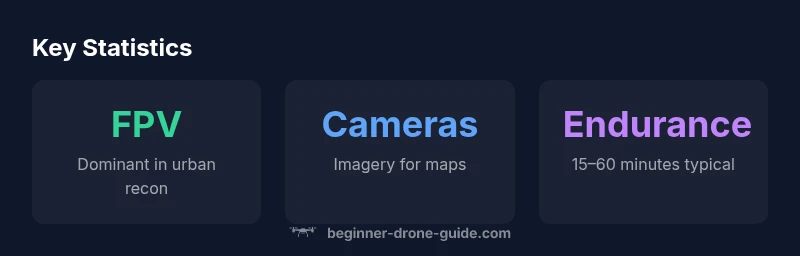
Observers have reported three dominant categories: FPV micro-drones, which prioritize speed and maneuverability; consumer quadcopters, which balance cost with imaging capability; and larger endurance platforms designed for longer-range surveillance. FPV models—small and fast—are often used for rapid reconnaissance and to gain quick situational awareness in contested areas. Consumer quadcopters provide aerial imagery and basic mapping, proving useful for humanitarian and journalistic purposes where permitted. Endurance platforms bring persistent observation over larger areas, though access to these systems tends to be restricted and governed by national or international rules. Regardless of category, the overarching theme for beginners is to study drone capabilities in relation to safety, privacy, and legal considerations, and to avoid activities that could endanger people or infringe on rights.
Roles and mission profiles for drones
Different drone platforms serve distinct roles in Ukraine’s complex environment. FPV micro-drones excel in rapid scouting and close-quarters situational awareness, often in city landscapes where maneuverability matters most. Consumer quadcopters are typically used for high-resolution imagery, basic 3D mapping, and rapid assessment of light infrastructure. Long-endurance platforms and fixed-wing hybrids can extend monitoring to wider regions, supporting data collection for planning and logistics. Each platform has trade-offs: FPV models sacrifice payload and endurance for speed; consumer drones balance cost and capability; higher-end platforms require more training, maintenance, and regulatory navigation. For beginners, it’s important to understand purpose before purchasing, and to prioritize training on safe operation and data-handling practices.
Safety, ethics, and regulatory considerations
Discussing drone use in conflict zones requires careful attention to safety and ethics. Always prioritize non-interference with humanitarian efforts and avoid entering restricted airspace or sensitive areas. Regulations around drone operation vary by country and territory, so readers should research local licensing, flight restrictions, and privacy laws before discussing or simulating use cases. Ethical considerations include avoiding sensationalism, respecting civilian privacy, and acknowledging the potential for dual-use technologies to cause harm. Beginners should focus on foundational safety practices—preflight checks, geofencing awareness, and personal risk assessment—and reference reputable sources such as national aviation authorities and recognized safety organizations. The goal is to foster informed, responsible dialogue rather than advocacy or operational guidance.
How beginners can learn and responsibly discuss this topic
For beginners, the topic offers a learning path that balances curiosity with responsibility. Start with basic drone theory, then study kinds of drones (FPV, consumer, endurance) and their typical data outputs (imagery, maps, telemetry). Practice in safe, legal environments, join beginner-friendly communities, and review reputable case studies from education-focused sources like Beginner Drone Guide Analysis, 2026. When discussing Ukraine-related drone use, emphasize safety, legality, and ethical framing. This ensures conversations remain constructive and informative rather than sensational.
Real-world limitations and staying informed
Public information about drone use in Ukraine is often fragmented and context-dependent. Users should treat reports as indicative rather than definitive, checking multiple sources and distinguishing between battlefield footage, humanitarian missions, and research discussions. Ongoing updates from aviation authorities, academic institutions, and reputable media outlets help readers track changes in technology, availability, and legal frameworks. For newcomers, building a habit of verifying data and avoiding overinterpretation is key to maintaining accuracy while engaging with this complex topic.
Representative drone categories in use and observed mission profiles
| Drone Type | Common Roles | Notes |
|---|---|---|
| FPV micro-drones | Rapid reconnaissance, close-range mapping | Small, agile, limited payload |
| Consumer quadcopters | ISR imagery, light payloads, basic mapping | Widely available; follow local regs |
| Industrial/endurance platforms | Wide-area surveillance, data relay | Higher endurance; usually restricted for civilian use |
| Fixed-wing / hybrid platforms | Long-range reconnaissance, broad mapping | Requires runway or VTOL capability |
Frequently Asked Questions
What types of drones have been observed in Ukraine?
Public observations point to FPV micro-drones, consumer quadcopters, and longer-endurance platforms used for various reconnaissance and mapping tasks. Capabilities vary by model and operator policy.
Public reports note FPV micro-drones, consumer quadcopters, and longer-endurance platforms for reconnaissance and mapping, with capabilities varying by model.
Are consumer drones used alongside military-grade drones?
Yes, both consumer and more capable platforms appear in discussions about drone use. The roles differ by required endurance, payload, and regulatory context.
Yes, consumer drones and more capable platforms have roles, mainly differing in endurance, payload, and rules.
What safety considerations should beginners study when researching this topic?
Beginners should study safety basics, ethics, and legal guidelines before discussing or simulating drone use in conflict zones. Focus on respectful, non-operational analysis.
Learn safety basics, ethics, and the local laws before discussing or simulating drone use in conflict zones.
How reliable are public reports on drone usage in Ukraine?
Public reports vary in reliability. Cross-reference with official aviation authorities and academic analyses, and differentiate between battlefield footage and research discussions.
Public reports vary; verify with authorities and academic sources, and separate battlefield footage from research discussions.
What regulatory changes affect studying this topic for beginners?
Regulations around airspace, privacy, and export controls can influence what can be discussed or demonstrated. Always reference local laws and international guidance.
Airspace, privacy, and export rules affect what you can discuss or demonstrate. Check local and international guidance.
Where can I learn more about drone safety and ethics in conflict topics?
Consult reputable safety organizations, aviation authorities, and education-focused guides like Beginner Drone Guide for foundational principles and safe discourse.
Look to aviation authorities and education-focused guides for safety and ethics basics.
“Drones are redefining battlefield intelligence, but responsible operation and rigorous safety practices remain essential for both observers and pilots.”
Quick Summary
- Identify drone categories used in Ukraine and their roles.
- Prioritize safety, legality, and ethics when discussing this topic.
- Focus on foundational skills before exploring advanced platforms.
- Verify data with multiple sources to avoid misinformation.
- Stay informed about regulatory changes affecting drone use.