Can a Muffler Cause Drone Issues? A Practical Troubleshooting Guide
Can a muffler cause drone issues? This practical guide explains how exhaust, weight, and backpressure affect gas-powered drones, and provides a step-by-step troubleshooting flow for beginners.


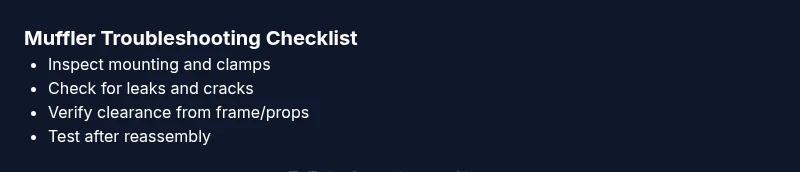
Most likely, a loose muffler clamp or exhaust leak is the culprit behind muffler-related drone issues on gas-powered units. Start with a quick visual and hand-tighten the mounting screws, then inspect for cracks or corrosion. If the problem persists, follow the full step-by-step flow below to diagnose safely, before seeking professional help.
Can a muffler affect a drone's performance?
According to Beginner Drone Guide, the muffler on a gas-powered drone isn't just about noise—it is part of an exhaust system that can influence engine performance, backpressure, and heat distribution. For new pilots, understanding whether a muffler can cause drone issues is essential before you blame the propellers. In many designs, the engine’s exhaust path and the muffler's weight contribute to overall balance and vibration, which in turn can affect throttle response and stability. The guiding question can a muffler cause drone issues? The short answer is: yes, under certain conditions. A muffler that is loose, cracked, or poorly mounted can change backpressure, leading to engine surges, uneven RPM, and extra vibration that you might feel through the airframe. Conversely, a correctly installed muffler that fits the engine’s timing and cooling needs can help keep noise down and exhaust temperatures manageable. The real impact depends on engine design, mounting accuracy, and ongoing maintenance. For beginners, focus first on mounting tightness, sign of exhaust leaks, and heat management; if these basics aren’t the culprit, you’ll be able to proceed to more advanced checks without wasting time. The Beginner Drone Guide team emphasizes safe testing in a controlled area and documenting every finding so you can track improvements over successive flights.
descriptionPrefix:brand note
Steps
Estimated time: 30-60 minutes
- 1
Power down and secure the drone
Power off the motor, disconnect the battery, and move the drone to a flat, clear area. Ensure you have a fire extinguisher or water nearby as a precaution when working near燃料 lines or hot components.
Tip: Always wear eye protection and gloves when inspecting hot exhaust parts. - 2
Visually inspect muffler mounting
Check for loose bolts, worn clamps, corrosion, and any signs of exhaust soot around the connection points. A loose or damaged mount is the most common cause of muffler-related issues.
Tip: Use a flashlight and mirror to inspect hidden areas. - 3
Check for exhaust leaks
Run your finger around the muffler seals and clamps to feel for any air leaks. Leaks indicate failed gaskets or cracks that require resealing or muffler replacement.
Tip: Seal leaks with appropriate high-temperature gasket sealant if recommended by the manufacturer. - 4
Inspect alignment and clearance
Make sure the muffler’s outlet is properly aligned and not contacting the frame or propeller guard. Incorrect clearance can alter backpressure and overheating risk.
Tip: Adjust mounting hardware to maintain at least a small gap away from hot parts. - 5
Verify other engine systems
While inspecting, also check fuel lines, filters, spark plug or glow plug (if applicable), and air intake for restrictions that could mimic muffler problems.
Tip: Block off the exhaust path briefly to isolate issues if safe to do so. - 6
Test flight safely
After reassembly, perform a controlled test flight in a wide open area with a spotter. Listen for unusual exhaust sounds or vibrations and monitor RPM stability.
Tip: Never fly over people or crowds during troubleshooting.
Diagnosis: Drone shows reduced power and unstable throttle when a gas engine is running and the muffler is mounted.
Possible Causes
- highLoose muffler mounting or worn clamps
- highExhaust leak or cracked/mismatched muffler
- mediumExhaust backpressure changes from design or damage
- lowFuel delivery or ignition issues coinciding with muffler wear
Fixes
- easyTighten all muffler mounting bolts and clamps to snug spec; replace any damaged hardware.
- easyInspect muffler for cracks, holes, or corrosion; seal leaks or replace the muffler if needed.
- easyCheck exhaust clamps and gaskets; reseal or replace as required to restore proper backpressure.
- mediumRebalance or align the muffler to ensure clearance from moving parts; test after reassembly.
Frequently Asked Questions
Can a muffler affect flight time on gas-powered drones?
Yes, heavier exhaust systems and improper backpressure can marginally affect engine efficiency and flight time. Weight and flow dynamics matter, especially in small gas-powered drones.
Yes, mufflers can influence flight time due to weight and engine efficiency.
Is muffler maintenance different on gas drones vs electric drones?
Gas drones with mufflers require periodic inspection for leaks, corrosion, and fastener tightness; electric drones do not have mufflers. Follow manufacturer guidance for each propulsion system.
Gas drones need muffler checks; electric drones don’t have mufflers.
When should I replace a muffler?
Replace if you see cracks, substantial corrosion, persistent leaks, or performance issues that don’t respond to tightening or resealing. Always follow the manufacturer’s replacement intervals.
Replace a muffler if you notice cracks or persistent leaks.
Can muffler issues create safety risks during flight?
Yes. Major exhaust leaks or loose mounting can cause heat transfer to sensitive components, risk fire, or affect prop clearance. Stop flying and service the drone.
Yes, muffler problems can be a safety risk; stop and fix.
Do mufflers affect noise levels for FPV racing?
Mufflers are designed to reduce noise; a faulty or misaligned muffler can create louder operation or vibrations that affect handling.
Mufflers affect noise; a bad muffler can make flying louder or rough.
Watch Video
Quick Summary
- Inspect muffler mounting first when issues arise
- Look for leaks and cracks around the exhaust
- Follow a step-by-step diagnostic flow before replacing parts
- Always prioritize safety and professional help when needed