How Difficult Is It To Get a Drone License? A Beginner's Guide
Explore how difficult it is to obtain a drone license, compare Part 107 vs recreational routes, outline timelines, and get practical study tips for beginners from Beginner Drone Guide.


Getting a drone license is a structured process that varies by country. In the United States, beginners choose between the FAA Part 107 knowledge test for commercial use or the Recreational UAS Safety Test (TRUST) for hobby flying. The Beginner Drone Guide team finds that with focused study and hands-on practice, the process is manageable for motivated learners.
Understanding the license landscape
Drones are regulated differently around the world, and the term license might mean different things in different places. In many jurisdictions, you’ll encounter two broad paths: a certificate or license for commercial operations and a safety or registration requirement for recreational use. At the center of these rules is safety: avoiding near-collisions, respecting airspace, and keeping people on the ground safe. The Beginner Drone Guide team emphasizes that before you start spending time on tests or paperwork, map out which path applies to your flying goals and where you plan to fly most often. In the U.S., the FAA oversees most drone activity, but other countries use their own regulators and exemptions. Being clear about your intended use will save you time and prevent confusion down the road.
Do you need a license to fly?
For many hobbyists, a formal license isn't required to enjoy flight, but you still must follow local regulations, register your drone if needed, and respect airspace restrictions. In the United States, recreational flyers must pass the TRUST safety test and follow the safety guidelines, while commercial operators must obtain a certificate under Part 107. Other countries may require a license or formal certification for any commercial activity or for certain drone classes. The bottom line: define your flight purpose first, then check the exact requirements for your country and region.
Key concepts tested on the knowledge exam
The knowledge exam covers a range of topics essential to safe operations. Expect questions on airspace classifications and how to obtain authorizations, general flight rules, weather effects on drone performance, aircraft performance basics, and emergency procedures. You should also know how to perform a pre-flight check, maintain VLOS (visual line of sight), and operate responsibly near people. The exam emphasizes practical decision-making and risk awareness, not just memorization.
Paths to licensing in the United States
In the U.S., there are two main routes that beginners often pursue. The Part 107 certificate is for commercial operations, requiring a formal knowledge test and an FAA remote pilot certificate. The Recreational UAS Safety Test (TRUST) supports hobby flying, accompanied by basic safety guidelines rather than a full certification. Additional steps include registering your drone and ensuring you comply with airspace rules. Beyond the U.S., many countries require similar certifications or licenses to operate commercially, while some offer exemptions for casual hobby flights. The key is to choose the path that aligns with your goals and to prepare accordingly.
Step-by-step plan to obtain your license
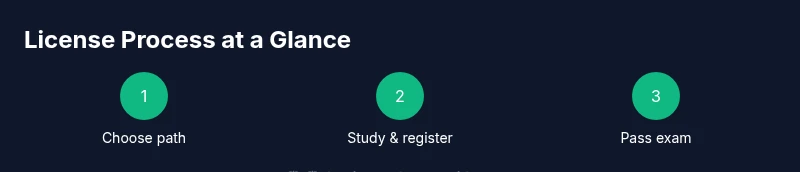
The plan below outlines a practical route you can adapt to your schedule. First, identify whether you’ll fly commercially or recreationally. Then create the necessary accounts (FAA portal, testing center registration, and any local regulatory portals). Gather required identification documents and a drone that meets the basic safety standards. Begin focused study using official materials and reputable practice tests, schedule your exam or TRUST assessment, and complete any prerequisite steps such as registration. After you pass, apply for the appropriate certificate and ensure you understand ongoing compliance and renewal requirements. The plan emphasizes steady progress rather than cramming.
Common obstacles and misconceptions
Many beginners think a license automatically guarantees universal permission to fly anywhere. In reality, licensing is only one piece of the puzzle: airspace restrictions, altitude limits, and local ordinances can still limit flights. Others assume the test is easy or that practice flights alone are enough for responsibility; both are myths. Finally, some learners underestimate the time needed to study, wait times for testing appointments, and the administrative steps after passing the exam. The truth, shared by the Beginner Drone Guide team, is that success comes from a clear plan and steady practice rather than last-minute cramming.
Study strategies and resources
A strong study plan combines official FAA materials, reputable training courses, and plenty of practice questions. Start with the FAA's knowledge areas and build a glossary of terms. Use simulators or low-risk flight sessions to reinforce rules in real-world settings. Create a study calendar that spaces review sessions, and track progress by taking multiple practice tests. Seek community support, join a local drone club, and review updates to regulations and test formats. The aim is to build confidence through repetition and real-world scenario practice.
International considerations and local regulations
If you’re outside the United States, your licensing path may differ significantly. Some countries require formal licensing for any drone operation, others rely on registration and local safety programs. Always verify the specific airspace rules and penalties for violations in your jurisdiction. If you plan to travel with your drone, check whether you need additional permissions for foreign airspace or cross-border flights. Finally, consider whether your training provider offers country-specific content that aligns with your local rules.
Next steps for hobbyists and professionals
Whether your goal is occasional photography or regular commercial work, a license is a valuable credential that unlocks broader flight possibilities and professional legitimacy. Start by choosing your path, complete the required steps, and keep up with regulatory updates. Build a safety-first mindset, document your flight experiences, and continue practicing to refine a professional skill set. The Beginner Drone Guide team encourages readers to stay curious, stay compliant, and keep learning as drones evolve.
Tools & Materials
- Internet access(For studying, practice tests, and FAA/regulator portals)
- FAA registration account(Create an account if you plan any commercial flights or want to exercise full regulatory compliance)
- FAA knowledge test prep(Official study guides and reputable practice exams)
- Duly registered drone(Meet basic safety standards and local registration requirements)
- Official ID and documents(Bring government-issued ID and any domicile proofs if required by testing centers)
- Quiet study space(Helpful for focused study sessions and practice exams)
- Practice flight area or simulator(Important for translating written knowledge into safe flight habits)
Steps
Estimated time: 2-8 weeks
- 1
Decide licensing path
Clarify whether you will fly commercially (Part 107) or recreationally. This choice determines which tests, registrations, and ongoing requirements apply.
Tip: Choose the path that aligns with your immediate goals to avoid redundant steps later. - 2
Create required accounts
Set up your FAA portal, locate testing centers, and enroll in any relevant regulatory portals. Having everything ready reduces delays on test day.
Tip: Bookmark important pages and set calendar reminders for deadlines and test dates. - 3
Gather documents and equipment
Collect identification, proof of residency if needed, and a drone that meets basic safety standards. Ensure your equipment meets current regulatory requirements.
Tip: Verify drone model and serial numbers in your registration records before you start studying. - 4
Study with official materials
Use FAA materials and reputable practice tests to cover airspace, weather, operations, and safety procedures. Focus on core concepts rather than memorizing obscure details.
Tip: Track weak topics and revisit them with targeted practice tests. - 5
Schedule and complete the knowledge test or TRUST
Book your exam at an approved testing center or complete the TRUST assessment online, depending on path. Allow time for retakes if needed.
Tip: Arrive early with required paperwork and a calm mind to maximize performance. - 6
Apply for your license/certificate and register your drone
Submit your application for Part 107 or the corresponding certificate, and complete any required drone registration with the regulator.
Tip: Double-check all personal data for accuracy to prevent processing delays. - 7
Maintain compliance and stay current
Understand renewal requirements, ongoing safety obligations, and any rule changes that could affect your ability to fly.
Tip: Set yearly reminders to review rule updates and refresh knowledge.
Frequently Asked Questions
Do I need a license to fly a drone for hobby?
In many places you don’t need a license to fly for fun, but you must follow local rules, register the drone if required, and pass any safety tests such as TRUST in the U.S. Always check your country’s regulations before flying.
For hobby flights, you often don’t need a license, but you must follow safety rules and register where required.
What’s the difference between Part 107 and the TRUST test?
Part 107 is a commercial certificate that requires a knowledge test and ongoing compliance. TRUST is a safety test for recreational use. Each path has different requirements and allowed operations.
Part 107 is for commercial use; TRUST is for recreational flying with safety guidelines.
How long does it take to get licensed?
Times vary by country and your readiness. Some learners complete the process in a few weeks, while others take a couple of months, especially if they schedule exams around busy centers.
It varies, but many learners finish in a few weeks to a couple of months.
Can non-US residents obtain a drone license?
Yes, many countries offer licensing for drone operations by locals or international visitors. Regulations differ, so consult the local aviation authority for your specific requirements.
Many countries offer licenses; check your local aviation authority for details.
What studies resources are best for beginners?
Start with official regulator materials, supplemented by reputable practice tests and a flight simulator to bridge theory and practice. Join online communities or local clubs for tips and updates.
Official materials plus practice tests and a simulator work well for beginners.
Is the license permanent or does it require renewal?
Many licenses require ongoing compliance and periodic updates to stay current with new rules. Renewal or continuing education may be part of maintaining eligibility.
Licenses often require ongoing updates to stay valid.
Watch Video
Quick Summary
- Decide early which licensing path fits your goals
- Study with official materials and practice tests
- Pass the required safety and knowledge assessments
- Register your drone and stay compliant with airspace rules
- Keep up-to-date on evolving regulations