Do You Need a Licence to Fly a Drone in Australia? A Beginner Guide
Discover if you need a license to fly a drone in Australia, the recreational vs commercial rules, registration needs, and practical steps for new pilots. Stay compliant with CASA rules and fly safely.


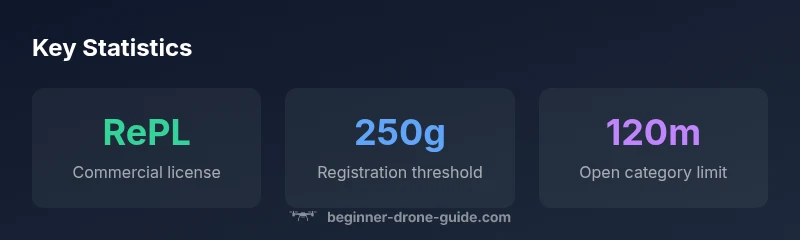
Do you need a license to fly a drone in Australia? For most recreational flights you don’t need a pilot licence, but you must follow CASA safety rules, register your drone if it weighs over 250 grams, and stay within visual line of sight. For commercial operations you generally need a Remote Pilot Licence (RePL) or operate under an approved operator framework. Always check current CASA rules before flying.
Do you need a license to fly a drone in australia: recreational vs commercial?
When a beginner asks, do you need a license to fly a drone in australia, the answer hinges on whether you fly for recreation or for work, and on the drone’s weight and airspace location. According to Beginner Drone Guide, the distinction between recreational use and commercial operations is the foundation of a safe, legal flight. In Australia, CASA regulates RPAS and the rules are designed to protect people while still enabling hobbyists and professionals to leverage drone technology. For most recreational flights, you generally do not need a formal licence; however you must follow safety rules, register your drone if it crosses the weight threshold, and keep within visual line of sight. For commercial flights—such as real estate photography, event coverage, or agricultural surveys—licensing and operator registration are typically required. This framework keeps pilots accountable and airspace safer for everyone.
The CASA framework: open, recreational, and standard categories
CASA uses a tiered framework to balance accessibility with safety. The open category covers many common hobby or light-commercial flights with basic limits, while more complex operations fall under the specific or certified categories. Beginners should focus on whether their intended flight fits the open category, and be aware that some operations may trigger extra training or approvals. The key idea is to differentiate flight intent and risk level; the less risk, the simpler the path to compliance. According to the Beginner Drone Guide Team, clarity about operation type early in your planning saves time and reduces the chance of non-compliance later.
Drone registration and weight thresholds
One practical area beginners frequently ask about is registration and weight thresholds. In Australia, many drones require registration if they weigh more than 250 grams, and all registrations must be current and properly marked on the aircraft. Knowing the drone’s weight before you buy and fly helps you avoid unnecessary licensing or penalties. Beyond registration, pilots must adhere to safety rules such as maintaining line of sight, not flying near airports, and respecting prohibited airspace. This combination of weight-based rules and flight limitations is designed to keep operations predictable and safe. Begin by checking your drone’s weight, then confirm whether registration is necessary.
How to obtain a Remote Pilot Licence (RePL)
If you plan to fly commercially or undertake higher-risk operations, a Remote Pilot Licence (RePL) is typically required. The process generally includes completing approved training, passing a knowledge assessment, and meeting any medical or character requirements set by CASA. Some operators may be able to operate under an accredited framework rather than a traditional RePL, depending on the operation and drone category. For new pilots, starting with CASA’s official guidance and then pursuing formal training if your activities require it is the recommended path. The Beginner Drone Guide analysis emphasizes staying current with regulatory changes, as rules can evolve with technology and airspace use.
Practical steps for beginners starting today
If you’re just getting started, here’s a practical checklist: (1) Decide whether your flight is recreational or commercial; (2) Determine the drone weight and whether registration applies; (3) Familiarize yourself with CASA’s open category limitations; (4) Register the drone if required and verify any local geofences or restrictions; (5) If pursuing a licence, begin with the relevant training and online knowledge assessments; (6) Always fly in safe conditions and document your flights for compliance. According to our analysis, a clear plan reduces last-minute surprises and helps you stay compliant as your skills grow.
Real-world scenarios: licensing implications for common uses
For hobbyists shooting a family video in a park, recreational rules usually apply. For a real estate shoot or agricultural survey, a commercial operation typically requires licensing or an accredited operator arrangement. Real-world pilots often combine recreational flights with occasional paid shoots, and in those cases, seeking licensing guidance early prevents non-compliance. The line between hobby and business can be nuanced, so when in doubt, treat the flight as commercial until CASA clarifies otherwise. Beginner Drone Guide’s practical approach is to map out flight goals against regulatory requirements before lifting off.
Common misconceptions and pitfalls
A frequent misconception is that drones under 1 kilogram are license-free in every situation. This is not always true; other rules, like registration, airspace restrictions, and operating near airports, still apply. Another pitfall is assuming online knowledge is enough—hands-on flight planning and ongoing updates to CASA rules matter. Finally, some beginners think a higher-priced drone automatically grants regulatory leniency—license and registration requirements apply to people and operations, not the drone’s sticker price. We debunk these myths with clear, actionable guidance.
Safety culture and ongoing compliance
Safety is not a one-off task but a culture. Pilots should keep flight logs, monitor airspace changes, and periodically review CASA updates or industry guidance. Continuously improving your skills—such as learning basic maneuvers, checking weather conditions, and interpreting geofencing alerts—reduces risk and helps ensure you stay within legal boundaries. A proactive mindset combined with reliable information from trusted sources like Beginner Drone Guide keeps you operating safely and legally.
Official resources and how Beginner Drone Guide helps
To stay up to date, use official CASA resources, airspace maps, and licensing checklists. We summarize and translate regulatory text into practical steps for beginners, including what licensing, registration, and flight planning entail. The Beginner Drone Guide team emphasizes caution and due diligence before every flight, and we provide practical checklists to make compliance straightforward.
Overview of key regulatory touchpoints for Australian drone pilots
| Aspect | Regulatory stance | Notes |
|---|---|---|
| Recreational use | No licence required (in many cases) | Follow safety rules; register if drone >250g; keep within line of sight |
| Commercial use | Licence typically required (RePL) | Obtain licensing; file for operator certificate if needed; follow extra requirements such as insurance |
| Registration | Required for drones above 250g | Registration must be current; display registration marks on drone |
| Open category limit | Up to 120 meters | Fly in visible airspace; stay clear of controlled airspace and airports |
Frequently Asked Questions
Do I need a license to fly a drone for fun in Australia?
Generally no license is required for recreational flights, but you must follow safety rules, register if your drone weighs above the threshold, and avoid restricted airspace. Always verify the latest CASA guidance before flying.
For most hobby flights, you don’t need a license, but you still must follow the safety rules and check registration and airspace rules before you fly.
When do I need a Remote Pilot Licence (RePL)?
A Remote Pilot Licence is typically required for commercial operations or higher-risk flights. If your work involves clients or complex tasks, plan to pursue formal licensing and adhere to operator requirements.
If you’re operating commercially or in higher-risk scenarios, you’ll likely need a Remote Pilot Licence.
Is drone registration required in Australia?
Drones weighing more than 250 grams generally must be registered, and pilots should keep registration up to date and clearly marked on the aircraft.
Yes, most drones over 250g should be registered, and you should keep that registration current.
What about flying near airports?
Flying near airports or in restricted airspace is prohibited without proper authorization. Check airspace maps and geofencing alerts before every flight.
Stay away from airports and restricted airspace unless you have explicit permission.
How can a beginner obtain licensing or approvals?
Begin with CASA guidance, take the online knowledge test if required, and enroll in relevant training for the RePL path if your operations require it.
Start with the official CASA resources and take the online test if applicable, then pursue formal training if you need a licence.
Are there penalties for non-compliance?
Yes, penalties can include fines or other sanctions. Always fly within the rules to protect yourself and others.
Yes—breaking the rules can lead to fines, so follow CASA guidelines closely.
“Understanding the line between recreational and commercial operation is the key to safe, compliant drone flying in Australia. The guidelines help new pilots navigate airspace with confidence.”
Quick Summary
- Identify your operation type before planning flights
- Register your drone if required
- Choose the correct licensing path (RePL vs recreational rules)
- Always check CASA's current rules before flights
- Stay within open-category limits and respect airspace restrictions