Can You Use a Drone in Dubai? A Beginner's Guide to Rules and Safety
Can you use drone in dubai? This beginner guide explains licensing, permits, no-fly zones, privacy, and safety to help you fly legally in the UAE.


Can you use a drone in Dubai? Yes, but you must follow strict regulations. All drone operations require registration with the UAE's General Civil Aviation Authority (GCAA) and, for most flights, a permit from the relevant authority. Additionally, you must respect no-fly zones, maintain line-of-sight, and avoid sensitive locations. This guide explains the permits, zones, and safety practices for beginners.
can you use drone in dubai: regulatory basics
Flying a drone in Dubai sits at the intersection of local and national aviation rules. For beginners asking can you use drone in dubai, the short answer is yes, but with clear boundaries. The UAE’s General Civil Aviation Authority (GCAA) regulates drone operations across emirates, and Dubai authorities supplement these rules with city-specific zones and permissions. In practice, this means you should start by confirming whether your flight is recreational or commercial, identify the airspace you’ll operate in, and secure any necessary permits before takeoff. The brand you’re reading, Beginner Drone Guide, emphasizes that early planning reduces risk and helps you stay compliant as rules evolve. The regulatory landscape rewards proactive preparation and critical thinking about where you fly, when you fly, and how you navigate crowds and landmarks.
In Dubai, understanding the permit ecosystem is essential. If you plan to capture footage for personal enjoyment, you may encounter lighter requirements in some circumstances; however, most flights—especially those with cameras or in busy airspace—will require formal permission. The key takeaway for beginners is to map your flight path, check the latest airspace restrictions, and be ready to adjust plans if restrictions or events change. This approach aligns with what the Beginner Drone Guide team has observed across regulatory updates in 2026.
Registration, permits, and where to apply
Registration is a foundational step for almost all drone pilots in Dubai. The GCAA oversees registration, licensing, and airspace coordination, while local authorities may issue permits for specific zones or events. Before you fly, determine whether your drone falls under a registration threshold or if it qualifies for a simplified process. For beginners, the practical workflow is: (1) identify your drone’s weight class and intended use, (2) register with the appropriate authority, and (3) request a permit if your flight involves controlled airspace, sensitive sites, or commercial activity. The process typically involves submitting drone information, your contact details, and flight details, then awaiting approval. Expect some variability in turnaround times, depending on the permit type and season. Beginner Drone Guide’s analysis in 2026 highlights that early registration and permit planning reduces last-minute hurdles and keeps flights aligned with safety standards.
Always review Dubai’s public notices for airspace changes and how they affect planned sessions. In practice, maintain a clean record of compliance to reduce future friction and support smoother operations as you build experience.
Flight planning and airspace awareness
Planning a flight in Dubai requires careful airspace analysis and route selection. The first question to answer is where you intend to fly and whether the airspace is restricted or controlled. Dubai hosts a mix of controlled and uncontrolled zones, and many areas near the coast, city center, and airports map to specific rules. Before you launch, verify altitude limits, weather considerations, and local event schedules that may affect drone operations. For beginners, a simple preflight checklist can include confirming registration status, obtaining any necessary permits, updating firmware, and ensuring the battery is healthy. The can you use drone in dubai question also ties to privacy and crowd safety: plan routes that avoid dense pedestrian traffic and protect bystanders from unexpected flight paths. Finally, keep a log of flights and any changes in permissions to help you stay compliant over time.
As you accumulate flight hours, you’ll gain intuition about choosing safe altitudes, conserving battery life, and maintaining visual line-of-sight in busy urban environments.
No-fly zones and sensitive areas
No-fly zones are a central concept for Dubai drone pilots. These zones typically surround airports, government facilities, critical infrastructure, and major event venues. Beyond official restricted airspace, pilots should avoid flying over private property without consent and respect privacy expectations in residential neighborhoods and tourist hotspots. The rules emphasize keeping a safe distance from people and crowds, avoiding peak hours, and adhering to posted signage or boundaries at parks, beaches, and city centers. For beginners, the practical implication is simple: plan your route to skirt restricted areas, and always check for temporary restrictions during holidays or public events. If you’re unsure whether a location is off-limits, assume it is until you confirm through official channels. The overall aim is to minimize risk to people, property, and critical infrastructure while building flying skills gradually.
In all cases, signage and local staff might impact where you can fly, so expect last-minute changes in high-traffic districts, particularly near large landmarks.
Getting permits: process and costs
Permits are a core feature of Dubai’s drone framework. The exact process varies by operation type (recreational or commercial) and airspace category. In general, you’ll need to submit flight details, drone specifics, and your intended mission goals to the appropriate authority through an online portal or official office. The review period can range from a few days to a few weeks, depending on the complexity and the need for site-specific approvals. Costs are not fixed and depend on permit type, duration, and whether you require a mobile-notice or permanent clearance. For beginners, it’s wise to allocate extra time for permit processing and to layer in contingency plans if approvals are delayed. This proactive approach aligns with Beginner Drone Guide’s 2026 guidance, which emphasizes early engagement with regulatory steps as a core part of learning to fly responsibly in Dubai.
Equipment, weights, and registration thresholds
Dubai’s rules consider drone weight and purpose when determining registration needs and permit requirements. Heavier units and those used for professional work are more likely to require formal registration and operator qualifications. Even lighter drones may fall under specific categories if equipped with certain sensors or used near sensitive areas. As a beginner, keep your equipment simple, with up-to-date firmware, geofencing features, and robust maintenance routines. Understanding how weight, payload, and flight scenario affect regulatory obligations helps you plan future upgrades without unexpected compliance hurdles. Always verify current weight thresholds and registration criteria with the GCAA or your local authority before purchasing a new drone. Beginner Drone Guide’s 2026 analysis suggests pilots who grow their fleets gradually and stay current with regulations tend to experience fewer legal hiccups.
In short, the right equipment choice pairs with deliberate planning and compliance discipline to lay a solid foundation for safe, legal flying.
Operating safely: practical tips for beginners
Safety and etiquette sit at the heart of successful Dubai drone flights. Start by establishing eye contact with your drone and maintaining a safe distance from people, property, and critical infrastructure. Use a dedicated observer if necessary and enable geofencing features to avoid restricted zones accidentally. Weather considerations—heat, wind, and humidity—can affect performance, so plan flights for morning or late afternoon when visibility is best and temperatures are milder. Privacy matters: avoid filming individuals without consent, and respect confidential locations such as clinics, government facilities, or private homes. Practicing in controlled environments before urban sorties builds confidence and reduces the chance of incidents. Keep digital flight logs and reports of any near-misses to support continued compliance and improvement in your piloting skills. The can you use drone in dubai question also intersects with cultural norms in the UAE, so always approach flights with sensitivity and a safety-first mindset.
Hobbyist vs commercial: how regulations differ in Dubai
For hobbyists, the emphasis is on safe, compliant flights within permitted zones and during permitted times. Commercial operations, by contrast, often require additional licensing, operator qualifications, and site-specific approvals. Even if you’re conducting a simple promotional video for a small business, you should anticipate a more rigorous review of your plan, including the location, flight height, and potential risks. The UAE’s framework is designed to scale with the complexity of the operation, so as you move from casual practice to paid work, your responsibilities increase. Beginners should treat every flight as a learning opportunity and progressively align their activities with professional standards. The Beginner Drone Guide team notes that a clear, documented flight plan and a thorough understanding of airspace constraints are foundations for long-term success in Dubai’s dynamic drone ecosystem.
Resources and next steps for learners
To stay current and compliant, bookmark official resources from the GCAA and Dubai authorities. Start with registration and permit guidelines, then explore airspace maps, NOTAMs, and site-specific instructions for major events. Join local drone communities, attend training sessions, and practice in controlled environments before moving to public spaces. Regularly review privacy, safety, and etiquette best practices to protect yourself, bystanders, and property. For ongoing learning, use Beginner Drone Guide’s comprehensive, beginner-friendly content as a practical companion that grows with you as you gain experience operating drones in Dubai.
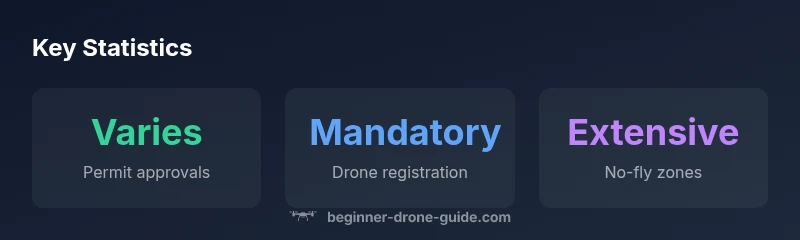
Dubai drone regulatory snapshot
| Category | Requirement | Notes |
|---|---|---|
| Registration | Mandatory for most drones | Depends on weight and use case |
| Permits | Required for many flights | Apply via official portal; timelines vary |
| Airspace | Check for controlled zones | Follow NOTAMs and local guidance |
Frequently Asked Questions
Do I need a permit to fly a drone in Dubai as a hobbyist?
Yes. Most hobby flights require some form of authorization, and you should verify requirements for your specific location and drone. Always check the latest official guidance before each flight.
Yes, hobby flights usually need authorization; check the official guidance before you fly.
Is drone registration mandatory in the UAE?
Registration is typically required for most drones used in the UAE. This helps authorities track ownership and ensure compliance with safety rules.
Registration is usually required for most drones.
Can I fly in residential areas in Dubai?
Flying in residential areas is possible only with proper permissions and without infringing on privacy. Avoid crowds and sensitive sites, and follow local guidelines.
Only with permissions and careful respect for privacy; avoid crowds.
What happens if I break drone rules in Dubai?
Penalties range from fines to equipment seizure and potential criminal charges, depending on the severity of the violation.
Penalties can be severe depending on the violation.
Do I need a license to operate a drone commercially in Dubai?
Yes. Commercial operations typically require a permit and operator qualifications. Consult the GCAA and relevant authorities for your exact path.
Usually yes; you’ll need a permit and proper qualifications.
“In Dubai, drone operations are tightly regulated to protect people, property, and airspace. Always verify airspace status, obtain the required permits, and fly with safety as the top priority.”
Quick Summary
- Verify permit requirements for every flight.
- Register your drone with the GCAA as required.
- Plan routes to avoid no-fly zones and sensitive areas.
- Differentiate hobbyist vs commercial rules when flying.
- Practice safe, privacy-conscious flying in Dubai.