Can You Fly a Drone in London: Rules, Safety, and Safe Practices
Learn whether you can fly a drone in London, the airspace rules, registration requirements, safe locations, and practical tips for beginners to fly smarter and stay compliant.


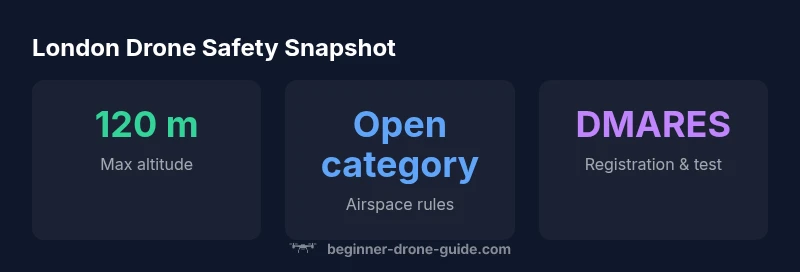
Yes, you can fly a drone in London, but only if you follow the official rules and safety practices. In practice, you must fly only in permitted airspace, stay below 120 meters (400 feet), keep the aircraft within visual line of sight, and avoid crowds and sensitive sites. You also need to register, pass a knowledge test, and respect temporary flight restrictions.
can you fly a drone in london
According to Beginner Drone Guide, flying a drone in London is possible but tightly regulated. For beginners, this means identifying which airspace is available for hobby flights and understanding what areas require permission, authorization, or avoidance. While city centers offer iconic views and compelling footage, they also come with heightened risk and stricter rules. The path to compliant flight starts with awareness of airspace classes, local restrictions, and the responsibilities of the operator. By following the official guidance and building a habit of checking airspace maps, beginners can enjoy urban drone flying without compromising safety or breaking the law. The Beginner Drone Guide team emphasizes that preparation is the foundation of confident city flying, and small, deliberate steps will help you avoid common missteps.
Airspace and geofencing in london
London’s airspace includes a mix of open, specific, and restricted areas, with major hubs like Heathrow and London City Airport creating controlled zones. In practical terms, you must avoid these zones or obtain the necessary authorization before flight. Modern drones often come with geofencing that can keep you out of restricted airspace, but you should not rely on automated safeguards alone. Always verify airspace status using official maps and NOTAMs, and consider a conservative flight plan that keeps you clear of sensitive areas such as government sites, military installations, and crowded venues. The goal is to minimize risk while enjoying the city’s scenery.
Licensing and registration in the uk
In the UK, drone pilots typically need to register as operators and complete a knowledge test before flying, especially for larger or more capable aircraft. Registration helps authorities track responsible pilots and improves accountability in urban environments like London. There are two general tracks: the Open category for lower-risk operations and the Specific category for flights requiring authorization. Regulations can evolve, so always consult the official GOV.UK and CAA resources before piloting. The process is designed to be accessible for beginners while maintaining strong safety standards.
Where to fly in london: practical sites and openings
Choosing a safe, legal spot outside dense crowds is essential for beginners. Look for open spaces with clear sightlines and minimal foot traffic, preferably in outer boroughs or larger parks outside restricted corridors. Early practice sessions should emphasize basic maneuvers, calm hover, and controlled takeoffs and landings. When you progress, record flights in a log to monitor how often you stay within safety margins and airspace limits. Remember that even in open areas, local rules may apply, and you should avoid filming people without consent to protect privacy.
Weather, wind, and urban flight realities
Urban wind patterns and thermal effects around tall buildings can create unpredictable conditions. Always check wind speeds at your takeoff point, and plan for reduced control margins near structures. In London, weather can change quickly, so bring a plan for immediate landing if gusts spike. Preflight checks should include battery health, control responsiveness, GPS lock, and calibration, especially on cooler days when battery performance shifts. Practicing in calm conditions builds a safer baseline for more challenging layouts later.
Safety, privacy, and ethical considerations
Safety is not just avoiding crashes; it also means respecting people’s privacy and security. Do not fly over crowds or at events without explicit permission, and avoid filming individuals without consent. Be mindful of privacy laws and the potential impact of drone footage on bystanders. If you must fly near private properties, consider notifying owners and obtaining consent where feasible. Anti-drone sentiment and regulatory scrutiny can rise quickly in dense urban areas, so conduct yourself with courtesy and transparency.
Equipment and preflight checklist for london flights
A practical London-ready setup includes a well-charged battery, spare props, and a reliable controller. Enable all protective features like geofencing and return-to-home, and ensure firmware is up to date. Create a concise preflight checklist: 1) verify airspace status, 2) check GPS lock, 3) inspect propellers for damage, 4) confirm camera and gimbal operation, 5) plan a safe takeoff and landing zone, 6) confirm observers or spotters if necessary. A thorough routine minimizes last-minute surprises and keeps your flight within legal boundaries.
Penalties, enforcement, and what to expect
Penalties for violating London drone rules can include fines, points on licenses, or more severe enforcement for endangering people or critical infrastructure. Regulatory bodies may issue advisories, education requirements, or temporary suspensions for repeat offenders. If you are uncertain about a flight, it is safer to postpone until you can verify airspace permissions. Practicing with a coach or mentor can also help you recognize and avoid common mistakes before they lead to penalties.
Getting started: a practical 7-step london plan for beginners
- Check your drone’s weight and ensure it falls under the appropriate category. 2) Register yourself and your drone as required by DMARES. 3) Complete the required knowledge test and review the drone safety code. 4) Use official airspace maps to identify permitted flight zones in London. 5) Pick a safe launch site away from people and sensitive sites. 6) Perform a thorough preflight check and set a conservative mission plan. 7) Fly with a friend or mentor observing for safety. Following these steps builds confidence and reduces risk as you gain experience.
London drone flight compliance snapshot
| Aspect | Guidance | Notes |
|---|---|---|
| Airspace rules | Fly only in permitted airspace; obtain authorization for restricted areas | Always check official maps and NOTAMs before flight |
| Altitude limit | Up to 120 m above ground (400 ft) | Exceeding altitude risks penalties and air traffic conflicts |
| Registration & training | Register with DMARES; pass online knowledge test | Required for most drones and pilots |
| Safe operating practices | Maintain visual line of sight; avoid crowds; respect privacy | Critical for safety and legal compliance |
Frequently Asked Questions
Open vs. Specific category in London: what's the difference for hobby pilots?
Open category covers many hobby flights in everyday conditions but still requires airspace awareness and flight within limits. Specific category is for flights requiring formal authorization, typically near restricted airspace or complex operations. For city settings like London, beginners often start in Open and seek Specific authorization for riskier missions.
Most hobby flights fit the Open category, but complex flights near restricted zones require Specific authorization.
Do I need to register a drone under 250 g in the UK?
Registration rules can depend on weight and intended use. In many cases, even lighter drones used in urban areas require registration and compliance training. Always verify the current GOV.UK guidance to determine if your drone and operation need registration.
Registration is usually required for most drone operations in the UK, depending on weight and use.
Can I fly over crowds or at events in London?
Flying over crowds is generally prohibited or highly discouraged in London due to safety and privacy concerns. You should keep a safe distance from people and avoid large gatherings unless you have explicit authorization for a controlled operation.
Avoid crowds and obtain explicit authorization for any controlled work near people.
Are there real-time tools to check airspace in London?
Yes. Use official airspace maps, NOTAMs, and companion apps that display current restrictions. These tools help you plan safe routes and ensure compliance before takeoff.
Use official airspace maps and NOTAM alerts to plan safely.
Where should a beginner start flying in London?
Begin in open, low-traffic spaces outside dense city cores and away from restricted zones. As you gain experience, gradually expand to more complex sites while remaining within airspace limits.
Start in a quiet, open space outside restricted areas and grow from there.
“Effective urban drone operation hinges on planning, respect for airspace, and consistent training. Safety comes first.”
Quick Summary
- Check airspace maps before every flight.
- Fly no higher than 120 m (400 ft) above ground.
- Register and complete the knowledge test.
- Avoid crowds and restricted sites to stay safe.
- Plan ahead and choose designated open spaces for practice.