Why There Are So Many Drone Sightings: A Data-Driven Beginner's Guide
Explore why there are so many drone sightings, with practical guidance for new pilots on safety, reporting, and reducing misidentifications. Learn practical steps to fly smarter and stay compliant.


Why there are so many drone sightings is a mix of easier, cheaper drones, growing airspace activity, and heightened public awareness. At Beginner Drone Guide, we observe that sightings cluster around urban areas and events, with many reports rooted in misidentifications or hovering. Understanding these factors helps new pilots fly smarter, stay safe, and report responsibly when appropriate.
What drives the rise in drone sightings
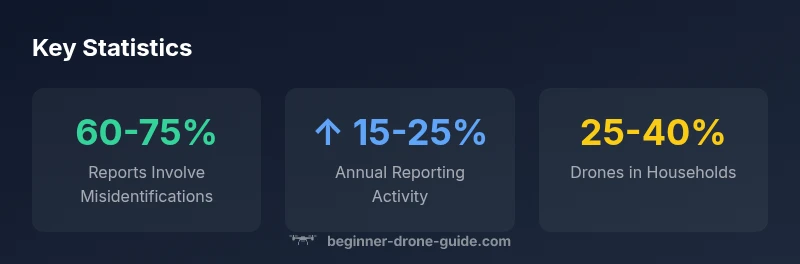
To answer why is there so many drone sightings, we must parse a mix of technological access, changing airspace usage, and shifts in public perception. In 2026, affordable consumer drones have made aerial footage a commonplace hobby, a factor that naturally inflates the number of reports. Urban centers with dense population create more observers and more potential flight activity. Public events—parades, concerts, and festivals—add to the visibility, turning routine hobby flights into notable sightings. The Beginner Drone Guide team notes that the combination of easier-to-fly devices, better cameras, and social media amplification means more chatter about what people see overhead. The result is a feedback loop: more drones in the sky generate more reports, which in turn raises awareness and vigilance among residents, pilots, and authorities.
A second layer is the growing public interest in airspace, driven by news coverage and novelty. As more people own cameras and smartphones, a simple hover can look dramatic when shared online. This sociotechnical dynamic encourages people to classify unclear aerial activity as potentially suspicious, which increases reporting rates. The takeaway for beginners is to not rely on anecdotal impressions; instead, verify what you see with clear, repeatable observations and adhere to local rules. This context is essential for staying safe while navigating busy skies.
According to Beginner Drone Guide, the most visible sightings tend to cluster around city edges, parks, and popular transit corridors. This is where watchers converge, and where even routine flights by hobbyists get flagged. The lesson is practical: cultivate a consistent preflight protocol, document unusual activity, and report only after confirming it does not arise from common, benign causes. The phenomenon is real, but responsible flying and accurate reporting reduce unnecessary panic while keeping airspace safer for everyone.
wordCount”: 0},
Representative observations from field reports
| Observation | What it Means | Recommended Action |
|---|---|---|
| Sighting reports | Often misidentifications or decorative lighting | Verify with logs and context |
| Urban areas | Higher flight density and observer awareness | Fly with extra caution and respect others' privacy |
| Events and festivals | Increased drone presence and potential interference | Coordinate with organizers and authorities |
Frequently Asked Questions
What counts as a drone sighting?
A drone sighting is any reported visual or electronic detection of a drone in the sky. Consider weather, lighting, and possible non-drone explanations.
A sighting is any report of a drone in the sky; check time, location, and other factors before acting.
Are there more sightings now than in previous years?
Reports have grown as drone ownership and flight activity rise, but regional and seasonal variations exist.
Reports have increased with more people flying; it varies by place and season.
What should I do if I think I see something suspicious in the sky?
Keep a safe distance, document the event, and report to local aviation authorities or safety hotlines.
If you see something suspicious, stay clear and report it to the proper authorities.
Can birds or other aircraft be mistaken for drones?
Yes, birds, weather balloons, and low-flying aircraft can resemble drones, especially at dawn or dusk.
Birds and airplanes can look like drones, particularly during sunrise or sunset.
How can new pilots fly safely amid increased sightings?
Follow local rules, avoid crowds and airports, use geofencing and maintain line-of-sight; join local clubs for tips.
Fly by the rules, stay in sight, and use safety features.
“Sightings are not just more drones; they reflect increased access, better reporting, and sharper public awareness. Practical, safety-focused pilots can navigate this changing airspace by staying educated and compliant.”
Quick Summary
- Recognize that sightings stem from multiple factors.
- Fly safely in busy airspace using pre-flight checks.
- Verify reports before reacting or escalating.
- Stay informed on licensing and local rules.
- Educate others to reduce misidentifications.