When is the Drone Light Show? Timing, Safety & Planning for Beginners
Discover common timing windows for drone light shows, how organizers schedule events, and practical safety and planning tips for beginners and spectators.


Most drone light shows take place after sunset, typically during the warmer months, with shows running from dusk to roughly 45-60 minutes. Exact start times depend on the venue, local lighting, and weather. Always verify the official event schedule on the organizer’s site for precise timing and any weather-related delays.
Understanding the timing and the question when is the drone light show
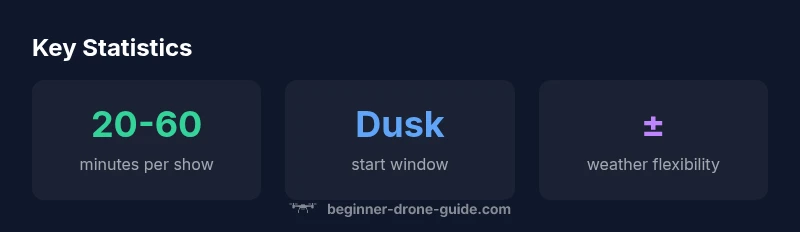
Scheduling for drone light shows varies by city, venue, and season. If you’re asking when is the drone light show, you’re asking about typical scheduling windows that organizers use to maximize visibility while ensuring safety. In most regions, shows take place after sunset, with blue hour or civil twilight providing optimal contrast for LED formations. Shows commonly run from dusk and last about 20-60 minutes, though exact start times depend on the venue’s program, crowd flow, and weather. Early season events may begin earlier in the evening, while late-season performances might shift closer to astronomical dusk. Always verify the official schedule on the event page or app, and be aware that delays due to wind, rain, or airspace restrictions can push start times by minutes or even hours. By understanding these patterns, beginners can plan better and avoid missing their favorite moments.
How drone light shows are scheduled and coordinated
Drone light shows are the result of careful planning that involves venue managers, city or regional event organizers, and, in many cases, aviation authorities. Before a show, organizers map out flight corridors, safe landing zones, and crowd viewing areas. They also confirm that the drones’ firmware, GPS signals, and beaconing are synchronized to deliver the planned choreography. In many regions, permits or notifications are required to fly near crowds or in controlled airspace. According to Beginner Drone Guide Analysis, 2026, robust coordination reduces safety risks and helps ensure the show runs on schedule. If you’re curious about the behind‑the‑scenes process, look for post‑event briefs or organizer blogs that describe the planning timeline and safety checks.
Weather, daylight, and airspace: timing variables
Weather and daylight are two of the biggest timing drivers for drone light shows. Clear evenings with light tailwinds are ideal, while rain, fog, or gusty winds often force delays or rescheduling. Dusk and civil twilight provide the best contrast for drone LEDs against the sky, which is why many shows prefer these hours. Airspace restrictions, temporary flight restrictions (TFRs), and local ordinances can all affect when a show can occur. In practice, organizers build flexible buffers into schedules to accommodate last‑minute changes, especially in cities with active events calendars. For pilots and spectators alike, having a backup plan is essential when conditions shift.
Attending safely: spectators and setup
If you’re attending as a spectator, pay attention to designated viewing areas, barriers, and staff directions. Crowd management is a common safety feature at large shows, and staying within marked zones helps protect both viewers and the aircraft. Bring essentials like comfortable footwear, a flashlight for after‑dark navigation, and a charged phone for updates. Some venues offer apps or social feeds with live timing and countdowns, which makes it easier to align your arrival with the start of the show. Remember that sudden weather changes can impact the schedule, so keep an eye on official notices.
Pilot participation and safety considerations
For hobbyist pilots, participation in a drone light show usually requires involvement through an organized team or a licensed operator with appropriate waivers, insurance, and compliance with local regulations. Solo hobby flights near a show are generally discouraged due to safety and airspace considerations. If you’re part of a qualifying organization, start by reviewing eligibility criteria, required certifications, and any spectator or participant waivers. This section should be read in conjunction with your local licensing and safety guidelines, and it emphasizes that proper planning and adherence to rules are essential for a successful, safe experience.
Finding schedules and staying informed
Reliable show schedules are published by event organizers, city calendars, and venue apps. Subscribing to official newsletters, following the event’s social channels, and enabling push notifications can help you catch last‑minute updates. If you’re planning to attend multiple shows, build a calendar with alert windows for sunset times in your city and backup dates in case of weather delays. For those who want to learn more about how shows are built, look for organizer Q&As or technical briefings released after big events.
Common myths and practical tips
Myth: Drone light shows always run exactly as scheduled. Reality: schedules can shift due to weather, airspace, or crowd management needs. Tip: arrive early to find a good viewing spot, and check official channels just before the show for last‑minute changes. Myth: You must be a licensed drone pilot to attend. Reality: spectators don’t need a license, but pilots must follow local rules and obtain necessary permissions. Tip: never fly near the event unless you’re authorized and within the official flight path.
Timing basics for drone light shows
| Aspect | Typical Timing Window | Common Duration | Altitude/Viewing Area | Notes |
|---|---|---|---|---|
| Start window | Dusk to civil twilight | 20-60 minutes | 50-200 ft above ground | Subject to weather and airspace rules |
| Weather impact | Evening when clear | N/A | N/A | Wind and precipitation can delay or shorten the show |
| Seasonality | Summer to early fall in many regions | Varies by event | Varies by venue | Local festival calendars may influence timing |
Frequently Asked Questions
What is the best time to watch a drone light show?
Late twilight is often ideal for viewing because the sky provides contrast for the drones’ lights, enhancing the visual effects. Always check the official schedule for exact start times.
Late twilight is usually best for viewing, but always check the official schedule for the exact start time.
Do I need a license to attend or fly near a drone light show?
Spectators generally do not need a drone license. Pilots who fly near shows typically must follow local regulations and obtain any required permissions or waivers.
Spectators don’t need a license; pilots must follow local rules and obtain permissions.
Are drone light shows safe for spectators?
Show organizers implement safety barriers, designated viewing zones, and on-site staff. Always stay within marked areas and follow staff directions.
Yes, when you stay in designated viewing areas and follow directions.
Can hobbyists participate in drone light shows?
Participation typically requires joining an organized team or meeting specific licensing and insurance requirements. Solo hobby flights near a show are generally not permitted.
Participation usually requires an organized team or proper licensing; flying solo near a show is usually not allowed.
How can I find reliable show schedules?
Follow the official event page, venue calendars, and organizer social channels. Enable notifications to receive updates about weather-related changes.
Follow official pages and enable notifications to get updates.
What weather conditions commonly delay shows?
Wind, rain, and low visibility are frequent causes of delays. Organizers often postpone or reschedule to ensure safe drone operation.
Wind and rain commonly cause delays; organizers may reschedule if conditions are unsafe.
“Safety and coordination are the top priorities for drone light shows; always consult official schedules and respect airspace boundaries.”
Quick Summary
- Check official schedules before planning to attend
- Plan for sunset timing and potential delays
- Know local airspace rules and safety norms
- Arrive early and follow crowd directions
- If flying, obtain proper permissions and licenses