How to Protect a Drone From Water: Practical Guide
Learn practical steps to shield your drone from moisture, rain, and spray. This beginner-friendly guide covers planning, protective gear, pre-flight checks, in-flight practices, and post-exposure care to keep drones safe around water.


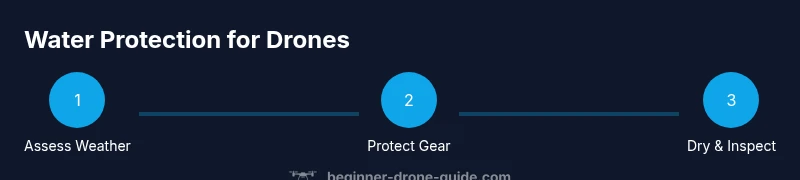
With smart planning and the right gear, you can dramatically reduce water damage risk to your drone. Start by avoiding rain and spray, use weather-resistant covers, and perform thorough pre-flight and post-flight dry practices. This quick answer highlights essential steps to keep your drone safe around water in wet environments.
Why water protection matters
Water is one of the most common and damaging enemies for small drones. Even a light spray or mist can interfere with motors, mud the sensors, and corrode connectors over time. If you’re exploring how to protect drone from water, your plan should start with understanding the risks and building a simple, repeatable routine for every flight near moisture. Drones are sealed to varying degrees, but most consumer models are not waterproof. A splash or submersion can void warranties and require expensive repairs. By adopting a proactive approach, you minimize the odds of long-term damage and keep batteries safe, flight controllers stable, and propulsion reliable. This section covers the why behind protective steps, so you’ll be ready to act before you launch.
Water exposure scenarios and their risks
Moisture can reach a drone through rain, mist from spray, dew on early mornings, or spray from waves and splashing water near boats. Even if you fly away from open water, high humidity or rain can permeate gaps around doors, battery compartments, and the gimbal area. The key takeaway is that water damage can appear gradually: corrosion on connectors, intermittent GPS glitches, or motor complaints can signal moisture exposure. Understanding these scenarios helps you tailor protective measures before every flight and set clear boundaries for where moisture is likely to impact performance.
Core protective strategies: planning, gear, and environment
The foundation of water protection combines three elements: planning, gear, and environment. Plan routes that minimize time spent over water or near spray zones. Equip recommended protective gear such as gimbal guards, camera lens caps, and, where compatible, rain covers. Finally, choose flight environments with lower moisture exposure: dry weather windows, sheltered takeoffs, and dry landing zones. By integrating these three levers, you dramatically reduce risk and gain confidence in flights close to water.
Protective gear and hardware options
Protective gear is your first line of defense. Gimbal guards and camera lens caps help shield fragile sensors from spray, dust, and droplets. Some drones offer official rain covers or third-party weather shields that slip over the body without obstructing sensors. Prop guards are another layer of protection that can prevent water-wallowed damage if the drone brushes water during a landing approach. Remember, protection helps, but it does not make a drone waterproof. Always pair guards with smart flying decisions and pre-flight checks.
Pre-flight checks to minimize water risk
Before takeoff, complete a moisture-focused pre-flight checklist. Inspect seals around doors and battery compartments; ensure no gaps are open that would invite moisture. Wipe surfaces with a microfiber cloth, paying attention to the camera, propeller hubs, and ports. Confirm that fans and vents are free of obstructions and that protective covers are properly secured. If you notice any dampness, delay the flight and dry the drone thoroughly before powering up. A little extra time now can prevent expensive repairs later.
In-flight tactics to stay dry around water
During flight near water, maintain conservative flight plans and lower speeds to reduce spray impact from waves or rain. Keep a safe distance from shorelines and avoid flying directly over spray zones, such as boat wakes or mist from fountain features. If you encounter sudden rain or spray, descend to a sheltered area and land as soon as safely possible. Landings should prioritize dry terrain, not slippery or muddy surfaces where moisture can creep into crevices.
Post-flight care after potential exposure
After any flight near water, perform immediate post-flight moisture checks. Power down off, disconnect the battery, and remove components for inspection. Wipe down all external surfaces with a microfiber cloth and inspect connectors for signs of corrosion or moisture. Place the drone in a dry area with desiccant packs to pull residual moisture from internal components. Use gentle air flow to help moisture escape, but avoid strong heat or forced drying, which can damage sensitive parts.
Drying and restoration: steps when water gets inside
If you suspect internal moisture, the drying phase is critical. Remove the battery and any removable modules, then place the drone and components in a well-ventilated area with silica gel packs nearby. Do not use heat guns or hair dryers on high heat, as rapid temperature changes can warp components. Check ports and casings for condensation, repeating the desiccant process for 24–48 hours if needed. Once completely dry, reassemble and perform a careful system check in a controlled dry environment.
Troubleshooting common water-damage symptoms
Water exposure can manifest as intermittent power loss, sensor errors, erratic GPS, motor stutter, or unexpected motor shutdowns. If you notice any anomaly, power down, inspect connectors, and check for corrosion or moisture behind seals. Consider professional servicing if water has reached the flight controller or battery. For beginners, an ounce of prevention with protective gear and cautious operation is often more reliable than post-failure repairs.
Storage, transport, and ongoing protection
Store your drone in a dry, temperature-controlled area with desiccants to absorb residual moisture. Use a weatherproof bag for transport in rainy conditions and keep protective guards installed during setup and transit. Regularly inspect seals, gaskets, and protective covers for wear and tear, replacing them when necessary. By adopting consistent storage routines, you minimize latent moisture exposure and extend the life of critical components.
Legal, safety, and insurance considerations
Water-related incidents can trigger warranty exclusions; read your manufacturer’s terms and check with your insurer about coverage for moisture damage. If you operate in regulated airspace, ensure that you comply with local weather restrictions and safeguarding requirements. Document moisture events and maintenance to support any future claims or troubleshooting. Prioritizing safety and compliance reduces risk for you and others nearby.
Quick-start water-protection checklist
- Check the forecast and avoid water-heavy conditions.
- Attach gimbal guard and lens cap; use rain cover if available.
- Wipe surfaces and inspect seals before every flight.
- Carry silica gel and a microfiber cloth for field drying.
- Dry and test in a controlled area after exposure.
- Store in a dry place with desiccants; perform post-flight checks.
Real-world best practices: field-tested routines
In practice, the most reliable protection comes from predictable routines. Always double-check weather, keep protective gear on during setup, and follow a standard post-flight drying protocol. Develop a personal field kit that includes a dry bag, microfiber cloth, silica gel, and a compact blower for gentle air-drying. Sharing your experiences with fellow beginners helps everyone learn and fly more safely around water.
Tools & Materials
- Microfiber cloth(Soft, lint-free; keep handy for quick drying.)
- Silica gel desiccant packs(Pack multiple small bags to absorb moisture in field or case.)
- Waterproof dry bag or protective case(Use when transporting drone in damp or rainy conditions.)
- Rain cover or weatherproof shield for the drone(Optional; check compatibility with your model.)
- Lens cap or camera guard(Useful when stationed near water or during transport.)
- Small soft brush(Gentle dust removal and moisture check.)
Steps
Estimated time: 60-75 minutes
- 1
Assess weather and flight path
Check forecast, wind and humidity. Identify a route that minimizes time over water and avoids spray zones. Confirm that the landing area is dry and flat to reduce moisture risks at touchdown.
Tip: Plot a conservative route and set a bail-out landing zone away from water. - 2
Power down and prepare gear
Power off the drone and controller. Disconnect the battery before inspecting for moisture. Gather the microfiber cloth and desiccants so you’re ready to act quickly if dampness is detected.
Tip: Never power on a drone with any sign of moisture around the battery area. - 3
Fit protective covers
Install a gimbal guard and lens cap if available. Slip on any rain cover designed for your model, ensuring it does not obstruct sensors or ventilation.
Tip: Ensure covers do not block crucial camera or obstacle-sensing ports. - 4
Pack moisture-control supplies
Place silica gel packs and a microfiber cloth in your carry kit. Having moisture-control tools on hand speeds up field drying and reduces risk of hidden dampness.
Tip: Position desiccants around the drone’s frame but away from the battery. - 5
Inspect seals and entry points
Check doors, battery bay, and gimbal joints for gaps or wear. Clear any debris and reseal if needed before flight.
Tip: A small amount of lubricant on moving seals can help but avoid getting it on electronics. - 6
Transport in dry bag
If you must move the drone through damp areas, place it in a dry bag or waterproof case to minimize incidental moisture exposure during transit.
Tip: Keep the bag sealed and avoid squeezing to prevent moisture intrusion. - 7
Stay dry during flight
Maintain altitude and distance from water; avoid spraying waves or heavy mist. If rain begins, descend and land promptly in a sheltered spot.
Tip: Use a conservative flight profile in uncertain weather. - 8
Land safely if exposure occurs
If water contacts the drone, land immediately in a dry area and power down. Do not attempt to fly again until a full dry check is completed.
Tip: Move quickly to minimize water intrusion during landing. - 9
Initial drying after exposure
Wipe exterior surfaces and ports with a microfiber cloth. Place in a ventilated area with desiccants nearby to pull residual moisture.
Tip: Avoid direct heat; moisture will evaporate more evenly in a cool, dry area. - 10
Deep-dry and inspect components
If you suspect internal moisture, leave the drone in a dry bag with silica gel for 24–48 hours. Check connectors for corrosion and moisture before reassembly.
Tip: Document signs of moisture for future reference and maintenance. - 11
Reassemble and test safely
Reinstall components after drying, perform a cautious pre-flight check in a dry area, and test motors at low power before a full flight near water.
Tip: If anything feels off, wait and retest rather than pushing limits. - 12
Store and protect ongoingly
Store in a dry, controlled environment with desiccants. Regularly inspect seals and protective gear to extend life and reduce moisture risk.
Tip: Make moisture protection a routine part of post-flight care.
Frequently Asked Questions
Can drones fly in the rain?
Most consumer drones are not waterproof and should not fly in rain. Rain increases the risk of moisture intrusion and moisture damage to electronics. Protective gear can reduce risk, but never rely on it to make a drone weatherproof.
Most drones aren’t waterproof. Avoid flying in rain; use protective gear and plan dry-weather flights instead.
What should I do if my drone gets wet?
Power down immediately and remove the battery if safe. Dry external surfaces with a microfiber cloth and place the drone in a well-ventilated area with desiccants. Wait 24–48 hours and inspect before attempting another flight.
If your drone gets wet, power off, dry it, and use desiccants. Wait before testing again.
Are waterproof housings worth it?
Waterproof housings or rain shields can reduce risk, but they’re not a guarantee of full protection. Check compatibility with your model and use in conjunction with smart weather planning.
Waterproof housings help, but they don’t guarantee complete protection—pair them with careful planning.
How long does it take to dry a wet drone?
Drying time varies with humidity and temperature, but plan for 24–48 hours of desiccant-assisted drying. Do not rush with heat-based methods.
Drying can take a day or two; avoid heat-based drying and be patient.
Should I use heat to dry electronics?
Avoid heat sources like hair dryers or ovens. Excess heat can warp components and damage seals. Use air circulation and desiccants instead.
No, don’t use heat to dry electronics; use air flow and desiccants.
Is there a recommended weather app for protection?
Use a trusted local weather service and check wind, humidity, and precipitation forecasts before flights near water. Combine with real-time alerts when conditions change.
Check reliable weather forecasts and real-time alerts before flying near water.
Watch Video
Quick Summary
- Plan ahead to avoid moisture exposure.
- Protect critical components with guards and covers.
- Dry and inspect promptly after any water contact.
- Test thoroughly before resuming flights near water.
- Store in a dry environment with desiccants.