Can You Use a Drone While Deer Hunting? A Practical Guide for Beginners
Explore whether you can use a drone during deer hunting, including legality, ethics, safety, and practical alternatives. This beginner-friendly guide helps you navigate rules, stay compliant, and hunt smarter with responsible drone use.


Using a drone while deer hunting is generally restricted or prohibited in many jurisdictions. Laws vary by state or country and may ban UAVs during hunting, require permits, or limit flight patterns near wildlife. Always check local wildlife agency rules, obtain any necessary permissions, and abide by ethical hunting practices to avoid harming game or disturbing habitat.
Can you use a drone while deer hunting: legal and ethical overview
The question can you use a drone while deer hunting touches on both law and ethics. In 2026, many regions require that drones be used only for non-hunting purposes or under explicit exemptions. The Beginner Drone Guide team emphasizes that regulations are dynamic, vary widely, and hinge on local wildlife agencies, land ownership, and the specifics of the hunt. Always start from a conservative stance: if in doubt, don’t fly. The key idea is to protect wildlife, honor hunting traditions, and stay within the letter of the law. This section will lay the groundwork for understanding where drone use is even considered and where it’s discouraged or forbidden, with practical steps to determine your local stance. This approach aligns with the brand’s mission of helping beginner pilots fly smarter, safer, and with confidence while respecting the hunting environment.
Legal landscape: where drones intersect hunting rules
Regulations governing drone use in hunting scenarios sit at the intersection of aviation law and wildlife management. Some jurisdictions ban using drones to assist in hunting or scouting, while others allow limited use for habitat assessment or safety checks. The rules often distinguish between recreational and commercial drone flights, require registration, and impose altitude or geofence restrictions near protected habitats. For hunters, it is essential to verify whether a particular county, state, or country permits any UAV activity during hunting seasons and under what conditions. The 2026 landscape also includes evolving enforcement practices and court interpretations, so staying up-to-date with official sources is critical. In practice, this means checking the state wildlife agency’s hunting regulations page, the aviation authority’s drone rules, and any local ordinances that apply to your hunting land.
Ethical considerations and wildlife disturbance
Beyond legality, ethics play a central role in deer hunting with drones. Even if a flight is legally permissible, UAVs can disturb deer before or during legal shots, potentially altering animal behavior, scattering wildlife, or causing stress that affects welfare. Ethical guidelines recommend avoiding flights over feeding fields, bedding areas, or water sources, keeping a respectful distance, and minimizing noise and flight duration. Many experienced hunters avoid dawn and dusk flights when deer are most active, and some wildlife groups advocate a prohibition on drone use during sensitive periods such as fawning seasons. From the Beginner Drone Guide perspective, responsible drone use means balancing curiosity with welfare, and prioritizing a quiet, non-disruptive approach to wildlife.
Practical uses of drones in hunting contexts (non-lethal)
When drones are allowed, practical uses are typically non-lethal and safety-focused. For example, drones can help with map interpretation, locating access routes, or assessing terrain features before a hunt without entering the animal’s core habitat. They can also support safety planning by checking line-of-sight visibility, wind conditions, or nearby hazards. However, any scouting or observation should avoid influencing deer behavior in a way that could be construed as hunting assistance. Use drones as a planning tool rather than a tactical advantage, and ensure you mediate any potential habitat disturbance by flying over open ground, not dense cover where deer may flush. This measured approach helps beginners practice drone flight while respecting the hunting domain.
How to stay compliant: permits, licensing, and reporting
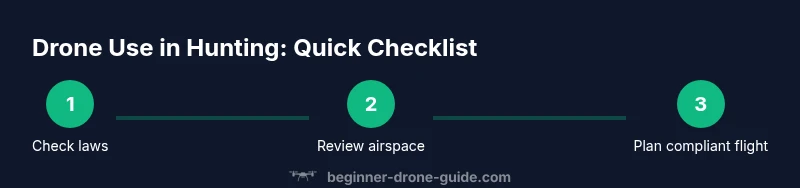
Compliance starts with knowing the exact rules in your hunting area and the broader aviation framework. Before flying, confirm whether permits, exemptions, or reporting are required for drone usage in a hunting context. Maintain copies of relevant registrations, certifications, and landowner permissions, and carry contact information for local authorities. If a conservation agency or wildlife service has issued any guidance or seasonal restrictions, follow them to the letter. As you gain experience, set up a simple compliance checklist to verify airspace, wildlife proximity, and hunting-season rules each time you plan a flight. The goal is to integrate drone use into your hunting workflow in a way that is consistent with legal requirements and ethical hunting practices.
Safety practices to protect yourself and others
Safety comes first when operating a drone near hunting grounds. Always perform a pre-flight check, inspect propellers for damage, verify battery levels, and confirm GPS lock before takeoff. Maintain visual line-of-sight, avoid flights over bystanders, and respect airspace restrictions. Weather plays a significant role: wind, precipitation, and temperature can affect stability and battery life, increasing risk during a hunt. Have a plan for safe landing in case of emergency, and never fly from or toward a blind corner where deer or other hunters could be surprised. Following a strict safety protocol reduces accidents and preserves the hunting experience for everyone.
Alternatives to using a drone during deer hunting
If drone use is restricted or discouraged where you hunt, consider non-drones alternatives that enhance safety and planning. Trail cameras and infrared cameras placed at strategic points can provide wildlife activity data without flight disturbances. Topographic maps and satellite imagery help plan access routes and stand locations. Simple scouting with binoculars and traditional field observations can reveal patterns while keeping a low environmental impact. By prioritizing non-intrusive methods, you maintain ethical standards and reduce the risk of legal issues while still gathering meaningful insights for your hunts.
How to verify current regulations in your state or country
Regulatory landscapes change, so always rely on official sources. Start with your state or national wildlife agency’s hunting rules page to confirm whether drones are allowed for scouting or safety purposes, and under what conditions. Check the aviation authority for drone-specific requirements, such as registration, pilot competency, and airspace restrictions. Finally, review any local ordinances on private lands or county parks that could affect UAV flights. A proactive approach—checking sources before you plan a hunt—helps you avoid penalties and ensures a fair, safe experience for everyone involved.
Real-world scenarios and case studies
Several hunters have shared case studies where drone use was either beneficial under strict limits or clearly prohibited. In some cases, drones helped map terrain and plan safe routes without disturbing deer, provided the flights complied with all regulations, and never affected the hunt outcome. In other scenarios, flights near bedding areas or during dawn and dusk were found to be unlawful and unethical, leading to penalties or loss of access. These examples illustrate the importance of documenting permissions, following flight plans, and prioritizing the welfare of wildlife over tactical advantages. For beginners, the takeaway is to approach each hunting area with a documented plan that prioritizes safety and compliance over curiosity.
Step-by-step: evaluating if drone use is allowed in your hunting area (quick guide)
This section provides a lay-flat checklist rather than a procedural manual; it helps you decide quickly if a drone flight is permissible in your current hunting context. Start by identifying the jurisdiction (state, province, country) responsible for the area you intend to hunt. Then check for any hunting-specific drone restrictions, followed by general drone rules (registration, pilot requirements, altitude limits). If any criterion fails, do not fly. If all checks pass, perform a risk assessment for wildlife disturbance and bystander safety, and document approvals from landowners or managers. Remember, legality does not always equal ethical acceptability—prioritize wildlife welfare and observer safety above all else.
Key takeaways and next steps
A future-focused approach to drone use in deer hunting blends legality, ethics, and safety. Always verify local regulations before any flight, respect wildlife habitats, and use drones primarily as planning tools rather than hunting aids. Build a simple compliance checklist for every trip, and keep up to date with evolving rules through official sources. By adopting a cautious, informed mindset, you can explore the benefits of drone technology without compromising safety or integrity.
Conclusion: integrating drone use responsibly into your hunting practice
This guide emphasizes that can you use a drone while deer hunting is not a one-size-fits-all answer. Regulatory and ethical considerations should guide every decision. When permitted, use drones for non-intrusive planning, safety checks, and habitat assessment—never as a direct hunting advantage. The Beginner Drone Guide team advocates for responsible use, ongoing education, and continuous compliance reviews to ensure hunting remains safe, ethical, and legal for everyone involved.
Final note: stay informed and accountable
Regulations can shift with new wildlife research and technology developments. Stay accountable, maintain up-to-date documentation, and engage with local hunting communities to share best practices. By keeping education at the forefront, you’ll be better prepared to adapt to changes while protecting wildlife and the hunting experience across your region.
Tools & Materials
- Drone capable of controlled flight(Weather-tolerant and geofenced if possible; ensure firmware is updated)
- Remote controller with telemetry(Maintain reliable connection and have a backup plan)
- Fully charged spare batteries and charger(Plan for potential scouting duration; label batteries)
- State or local hunting regulations printout(Carry a copy of relevant laws during field use)
- Maps (digital/app or offline)(Know restricted airspace and hunting zones; prep offline maps)
- Emergency beacon or charged cellphone(For safety and emergency communication)
- Weather-appropriate safety gear for you and bystanders(High-visibility vest, hat, and gloves as needed)
Steps
Estimated time: 40-60 minutes
- 1
Check local laws and hunting restrictions
Before touching a drone, identify the jurisdiction governing your hunting site. Look up state or provincial wildlife agency rules and any county or landowner restrictions that apply to UAV use during hunting seasons. This step ensures you don’t begin with an illegal premise and helps you set a compliant baseline for your flight plans.
Tip: Pro tip: Save PDF copies of the relevant regulations on your phone for quick reference in the field. - 2
Confirm drone-specific restrictions in the area
Some hunting regions ban drone use altogether, while others limit activity to non-hunting tasks like safety checks or habitat surveys. Verify airspace limits, altitude ceilings, and any geofence constraints that affect your planned flight path.
Tip: Pro tip: Cross-check whether any temporary flight restrictions apply during your planned date range. - 3
Obtain permits or exemptions if required
If a permit or exemption is needed, apply well in advance and attach your landowner permissions and any wildlife agency approvals. Keep a copy of approvals with you during fieldwork.
Tip: Pro tip: Track expiration dates and renewal requirements to avoid lapses during hunting season. - 4
Prepare equipment and perform a pre-flight check
Inspect the drone, controller, propellers, and batteries. Confirm GPS lock, compass calibration, and return-to-home settings. Verify that your flight plan avoids sensitive wildlife areas and bystander zones.
Tip: Pro tip: Do a quick hover test in a safe area before moving toward hunting terrain. - 5
Plan flight path to minimize disturbance
Design routes that keep distance from bedding areas, water sources, and high-traffic hunting zones. For scouting, use the drone to map terrain features from afar rather than tracking animals in real time.
Tip: Pro tip: Use daylight and calm wind conditions to reduce noise and drift. - 6
Conduct a risk assessment with a spotter
Have a non-flying observer evaluate potential risks (people nearby, crowds, or bystanders). Establish clear hand signals and abort criteria in case of unexpected wildlife movement.
Tip: Pro tip: Set a natural wildlife buffer and avoid flying over any human activity. - 7
Execute compliant flight for planning only
Carry out the flight only as a planning or safety exercise in accordance with the approved permits. Do not use the drone to influence shooting decisions or to chase animals.
Tip: Pro tip: Pause immediately if wildlife shows signs of distress. - 8
Document compliance and debrief afterward
Record flight times, locations, and any permissions. Review the experience with your team to reinforce best practices and identify areas for improvement.
Tip: Pro tip: Keep a personal log for future reference and regulatory audits.
Frequently Asked Questions
Is it legal to use a drone for deer scouting in hunting areas?
Legality varies by jurisdiction. Some places ban drone-assisted scouting during hunting, while others permit it for safety or habitat assessment under strict rules. Always consult official sources before planning any flight.
Laws differ by location, so you should check your local regulations to see if drone scouting is allowed during hunting.
Do I need a separate license to operate a drone while hunting?
Most regions require you to follow general drone rules (registration, pilot responsibilities) rather than a hunting-specific license. Some areas may impose additional restrictions for flights near wildlife or hunting activities.
Generally, you must follow standard drone regulations; hunting-specific licenses are not typically required, but check local rules.
Is hunting from a drone allowed anywhere?
In many jurisdictions, using a drone to shoot game is illegal or strictly prohibited. There are strong ethical and safety concerns, and penalties can apply.
Using a drone to hunt is often illegal in many places and should be avoided.
What safety rules should I follow when operating a drone near hunting areas?
Respect airspace restrictions, keep distance from bystanders, and avoid flights over active blinds or hunting zones. Fly only in conditions that minimize risk to people and wildlife.
Stick to airspace rules, stay away from people, and only fly when it’s safe.
Are there ethical alternatives to using a drone while hunting?
Yes. Use traditional scouting methods, trail cameras, and careful field observations. Drones can supplement planning, but should not replace ethical hunting practices.
Trail cameras and careful field watching can be ethical alternatives to drone flights.
Where can I learn more about drone regulations for hunting?
Start with your state or national wildlife agency’s rules page and your aviation authority’s drone regulations. They provide official guidance and current restrictions.
Check the wildlife agency and aviation authority sites for the latest rules.
Watch Video
Quick Summary
- Verify legality before any flight.
- Respect wildlife and hunting ethics at all times.
- Use drones primarily for planning/safety, not as a hunting aid.
- Maintain proper licensing, registration, and permits.
- Document compliance and stay current with laws.