Getting Started with Drones: A Practical Guide for Beginners
Learn how to start with drones: pick a beginner model, master safety basics, practice flights, and understand licensing and registration with practical steps from Beginner Drone Guide.


This guide helps you start flying drones confidently: choose a beginner-friendly model, learn essential safety and local rules, practice in open spaces, and build a simple flight routine. You’ll find step-by-step instructions, gear suggestions, and licensing considerations to get you airborne safely on day one.
Why getting started with drones matters
Drones open up new ways to explore, learn, and create. For beginners, a thoughtful start reduces risk and accelerates skill-building. The most important idea is to establish a solid foundation: understanding the capabilities of your drone, knowing the local rules, and practicing in safe, controlled environments. With patience and a structured plan, you’ll gain confidence, improve hand–eye coordination, and unlock practical applications—from basic aerial shots of a park to inspecting your property for maintenance needs. As you begin, remember that progress comes from consistent practice, not heroic flights. The Beginner Drone Guide team emphasizes a beginner-friendly approach: invest in a simple platform, learn the fundamentals, and gradually expand your skills as you gain experience. This mindset ensures you stay safe, stay legal, and stay curious about how drones can fit into your hobbies or work.
In the early days, set realistic goals. Start with hover control, then move to smooth movements and precise positioning. Track your progress in a simple journal or flight log, noting weather, location, and any challenges. Over time, you’ll develop a repeatable routine that reduces surprises and keeps you focused on the next skill to master. Your first flights should prioritize safety—for you, bystanders, and property—while still being engaging and rewarding.
Safety, rules, and responsible piloting
Safety is the foundation of every successful drone session. Before you power up, confirm you’re in a permitted area, away from people, animals, and sensitive sites. Learn the basics of airspace, no-fly zones, altitude limits, and local drone regulations. Many regions require you to register your drone or obtain a basic understanding test before flying publicly. Start with a beginner-friendly drone that limits speed and altitude to reduce risk while you learn the controls. A responsible pilot isn’t just about the flight—it’s about planning, weather awareness, and post-flight checks. Maintain a pre-flight checklist, confirm GPS lock if available, and verify that propellers are secure. If you borrow a drone, ensure you understand its safety features and resets.
Weather matters more than it seems. Wind, sun glare, and sudden changes can affect stability and camera performance. A simple rule is to avoid flying when wind speeds exceed your comfort level or when visibility is poor. In all scenarios, respect others’ privacy and avoid flying over crowds or critical infrastructure. This section equips you with the mental map you need to pilot safely, keeping both you and others out of harm’s way.
Licensing and registrations are not optional hurdles; they are part of responsible piloting. If your region requires a certification or registration, completing these steps early saves trouble later. Understanding your limitations and the local framework helps you fly with confidence and avoid penalties. By combining safety, legality, and responsible practice, you’ll build a solid foundation for long-term enjoyment or potential professional use.
Choosing your first drone: features that help beginners
Selecting the right beginner drone sets the stage for smooth learning. Look for stability features such as three-axis gimbals, altitude hold, and headless mode, which reduce the cognitive load during those early flights. Obstacle avoidance, even in a basic form, can prevent accidental crashes while you’re still mastering control inputs. Battery life matters: longer practice sessions are possible with larger capacities, but ensure you have a spare battery for back-to-back sessions. Size and weight impact portability and indoor flight suitability, so pick a compact model if you plan to practice in tighter spaces. A stable camera is a bonus, but prioritize flight performance and safety-first features over videography specs when you’re still learning.
Budget-wise, aim for a price range that allows you to practice regularly without fear of breaking an expensive unit. Many beginners start with a model that focuses on stability and simplicity rather than advanced features. Read reviews about reliability, ease of replacement parts, and the availability of community-supported troubleshooting resources. A well-chosen beginner drone becomes a repeatable learning partner, helping you build muscle memory and confidence as you progress.
If you’re unsure where to begin, pick a reputable beginner line from established brands that emphasize safety and easy repair. Avoid high-speed racing drones for now; their speed and agility can overwhelm new pilots. The goal is steady progress, not adrenaline-fueled stunts. By matching your choice to your learning plan, you’ll enjoy a smoother, more sustainable entry into the drone hobby or work.
Essential gear and accessories
A solid starter kit makes practice safer, more comfortable, and more effective. At minimum, you’ll want a beginner-friendly drone, extra batteries, a charger that supports fast swaps, and a basic controller compatible with your drone. Propeller guards are wise for learners, especially during indoor practice or in tight spaces. A small tool kit (screwdrivers, spare screws, threadlock) helps you make quick repairs or adjustments after a flight. A microSD card lets you capture flight footage for review, but it’s optional for purely practice-focused sessions.
Storage and transport matter too. A protective case or bag keeps components protected during transport and storage. A simple landing pad can reduce debris ingestion and provide a clear takeoff area. Finally, keep a basic pre-flight checklist in your notebook or notes app to ensure you don’t overlook essential steps before each flight. Your gear should support safe, repeatable practice, not introduce unnecessary complexity.
Choosing the right accessories helps you fly longer and learn faster. Start with what keeps you safe and gives you reliable practice, then add optional upgrades as your skills grow.
Setting up and calibrating your drone
Proper setup is non-negotiable for successful initial flights. Begin by charging all batteries fully and ensuring the drone’s firmware is up to date. Mount propellers correctly, double-checking for proper orientation. Bind the controller and drone according to the manual, because a misbind can prevent the drone from accepting pilot input. Calibrate the compass in an open area away from metal objects, vehicles, or tall buildings. This step helps prevent compass errors that can cause erratic flight behavior. If your drone supports IMU calibration, run it as well, especially after a firmware update or a change in temperature.
Perform a basic check before the first lift: verify motor direction, test arm motors briefly to verify response, and confirm GPS or positioning data is solid. Do not take off if you notice instability, unusual vibrations, or drift. A stable setup creates a dependable platform for safe practice and reliable data capture.
Basic flight practice plan for beginners
A structured practice plan accelerates learning and reduces risk. Start with a simple hover at a low altitude to get comfortable with stick inputs and elevation control. Move to gentle forward and backward movements, then practice left and right translations while maintaining a consistent hover. Introduce gentle yaw rotations to get a feel for orientation changes. Maintain a slow, deliberate pace and keep your eyes on the drone at all times. Regularly pause to assess control response and adjust your grip, stance, and stance alignment.
As you gain confidence, practice in larger, open spaces with no people or obstacles nearby. Use a flight log to track your progress: note the conditions, controller responses, and any recurring issues. Periodically recheck the pre-flight checklist and settings to ensure consistency. A gradual, deliberate progression—from hover to controlled movements to larger maneuvers—builds muscle memory and reduces the likelihood of accidents.
To keep motivation high, set small milestones (hover for 20 seconds, maintain straight flight for 10 meters) and celebrate those wins. The goal is to create a sustainable routine that you can repeat weekly to build skill steadily.
Basic flight techniques and drills
Once you’ve established control, you can introduce foundational techniques that form the core of most drone navigation. Practice smooth takeoffs and landings, maintaining stable altitude and gradual throttle changes. Work on precise positioning during hover, then advance to controlled turns and deliberate transitions between axes (pitch, roll, yaw). A wide, easy-to-see flight path helps you monitor orientation and prevent disorientation. For videography, practice slow, steady panning and controlled framing while preserving exposure and focus.
During drills, emphasize safety margins: always plan an escape path, never fly over people, and monitor battery levels to avoid sudden power loss. If you encounter drift, gently readjust the stick and re-center your position before continuing. Regular review of video footage from practice sessions can reveal subtle control issues that are hard to notice while flying. By repeating these drills, you’ll develop a reliable, repeatable flight routine you can rely on for longer flights and more complex maneuvers.
Next steps after your first flights
With basic flight proficiency established, you can begin expanding your drone’s capabilities in a safe, incremental way. Continue to practice in a variety of weather conditions and locations, always staying within your equipment limits and local regulations. If you have access to more advanced features like GPS-assisted return-to-home, active obstacle avoidance, or Follow Me modes, explore them in controlled environments before using them in unfamiliar areas. Start documenting your flights, noting what worked well and what needs improvement, so you can track progress and celebrate growth over time.
Finally, plan ongoing learning: join local clubs, participate in online communities, and read technical guides about firmware updates, component replacements, and best maintenance practices. A consistent learning habit plus careful flight discipline will keep you safe and help you enjoy drones for years to come.
Tools & Materials
- Starter drone (beginner-friendly)(Choose stability-focused features; avoid high-speed racing models for now)
- Spare batteries(Have at least one extra battery charged for back-to-back sessions)
- Remote controller (if separate from drone)(Ensure compatibility with your drone model)
- Propeller guards(Helpful for indoor practice and safety during early flights)
- MicroSD card(Useful for recording practice flights, optional for learning focus)
- Portable charging hub(Convenient for on-the-go practice, not essential)
Steps
Estimated time: 25-40 minutes
- 1
Inspect drone and accessories
Unbox everything, check for damage, and confirm all components are present. Inspect propellers, battery compartments, and the controller for secure attachments. Ensure there are no loose parts before powering on.
Tip: Look for any visible wear; replace damaged parts before flight. - 2
Charge batteries and power up
Charge all batteries to full before your first flight. Power on the controller and drone, then connect? check for a stable link and confirm status indicators show ready-to-fly.
Tip: Always power the controller before the drone to ensure a proper bind. - 3
Calibrate compass and IMU
Calibrate the compass in an open area away from metal objects. If available, run IMU calibration per the manufacturer guide to ensure accurate sensors.
Tip: Avoid calibrating near cars, metal fences, or electronics that could skew results. - 4
Perform a pre-flight safety check
Check motor directions, ensure propellers are secure, verify GPS signal, and confirm return-to-home is enabled if available.
Tip: If anything seems off, don’t fly—recheck connections and sensors first. - 5
Hover test at low altitude
Lift off slowly to a low altitude and stabilize your hover. Observe drift and adjust trims or control inputs to maintain a steady position.
Tip: Keep eyes on the drone and maintain a clear, unobstructed takeoff area. - 6
Practice basic movements
Gently practice forward, backward, left, and right translations. Introduce slow yaw rotations while keeping a stable hover.
Tip: Move in small increments; avoid aggressive sticks that destabilize the drone. - 7
Safe landing and post-flight
Descend slowly and land gently in an open area. Power off the drone and controller, then disconnect batteries if needed. Store equipment properly.
Tip: Review the flight in a notebook or app to log what worked and what to improve.
Frequently Asked Questions
Do I need a license to fly drones?
Regulations vary by country and region. Some places require a basic knowledge test or certification for recreational or commercial flying. Check your local aviation authority’s guidelines and complete any required training before flying publicly.
Licensing depends on where you live. Verify your local rules and complete the needed training before flying in public spaces.
What is the best beginner drone?
Look for stable flight, easy controls, reliable safety features, and accessible spare parts. Avoid high-speed racers at first. Choose a model with altitude holds, beginner mode, and solid customer support.
For beginners, pick a stable, easy-to-control drone with basic safety features and good parts support.
Do I need to register my drone?
Many regions require drone registration regardless of purpose. If required, follow the official process to avoid penalties and ensure traceability.
Registration is often required; follow the official process to stay compliant.
How far can I fly a starter drone?
Beginner drones typically have modest ranges. Focus on maintaining line-of-sight and safe, controlled flights rather than maximizing distance.
Keep flights within line of sight and within the drone’s safe operating range.
How long does it take to learn to fly a drone?
Most beginners gain basic piloting skills within a few weeks of consistent practice, with continued improvement over months as you tackle more complex maneuvers.
With steady practice, you’ll reach basic piloting skills within weeks and keep improving over time.
Can I fly indoors with a beginner drone?
Indoor flying is possible with small, stable drones and propeller guards. Always ensure the space is safe and free of people and fragile objects.
Yes, with a compact, guarded drone and a safe, open indoor area.
Watch Video
Quick Summary
- Choose a beginner-friendly drone with safety features.
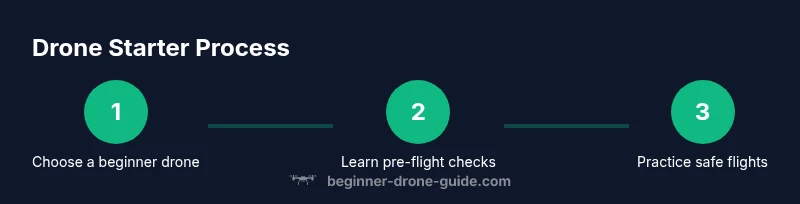
- Prioritize safety, legality, and gradual skill-building.
- Develop a repeatable practice routine and log progress.
- Master pre-flight checks and safe landing techniques,
- Keep learning through structured drills and community advice.