Getting Started as a Drone Pilot: A Practical Guide
A friendly, practical guide for new drone pilots covering gear, safety, regulations, and first flights. Learn step-by-step how to start confidently and fly smarter.


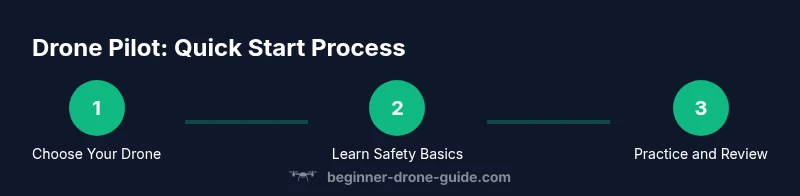
Getting started as a drone pilot is straightforward when you follow a simple plan: pick a beginner-friendly drone, learn the basic safety rules, complete a thorough preflight checklist, and practice in a safe, open area. This guide also covers licensing basics, flight etiquette, and a progressive practice routine to build confidence and prevent common mistakes.
Why getting started the right way matters
According to Beginner Drone Guide, a thoughtful start reduces frustration and accelerates learning. This foundation helps new pilots build confidence, set achievable milestones, and stay motivated as they master core piloting skills. By embracing a safety-first mindset, choosing beginner-friendly gear, and following a progressive practice plan, you establish a solid baseline for long-term growth. The journey from first flight to fluent piloting is mostly about consistent, smart choices kept simple at the start. As you progress, you’ll gain better control, smoother flights, and the ability to adapt to different environments with less uncertainty. This guide emphasizes practical steps you can take today to set yourself up for success tomorrow.
- Define your learning goals
- Track your flights
- Adjust based on feedback
Defining a safe baseline: rules, checks, and etiquette
Before you lift off, you must establish a safety baseline. Start by understanding basic airspace concepts, local regulations, and no-fly zones. Create a simple preflight routine that covers battery status, propeller condition, controller connection, and GPS lock. Etiquette matters too: keep others informed about your flight, avoid flying over people, and respect private property. Beginner-friendly modes like auto-hover and beginner sensitivity can reduce the learning curve while you build muscle memory. Regular practice in open spaces helps you internalize safe habits so they feel natural over time. Remember, safety isn’t a one-time step; it’s a habit that should accompany every session.
Your starter kit and gear decisions
Your gear choice shapes your early experiences. Start with a beginner-friendly drone that offers stable flight, intuitive controls, prop guards, and easy calibration. Invest in essential extras such as spare propellers, at least two batteries, a microSD card for footage, and a simple storage solution for batteries. A tablet or phone for the controller app helps monitor telemetry and logs. While you don’t need the next-generation flagship to begin, you do want reliable components and clear guidance from the manufacturer. If you plan indoor practice or tighter spaces, consider propeller guards to reduce risk and boost confidence during early flights.
Core piloting skills you should practice early
Foundational skills include stable hovering, smooth takeoffs and landings, and controlled forward and backward motion. Practice precise yaw movements and gentle turning while maintaining a steady altitude. Learning to manage wind drift in light gusts is also crucial, as it teaches you how to compensate with throttle and cyclic inputs. Use soft, progressive routines to build precision before attempting more complex maneuvers. Recording practice flights provides objective feedback, helping you identify errors you would otherwise miss in real time. As you improve, you’ll notice smoother control, less drift, and faster recovery from minor disturbances.
A practical 4-week practice plan for beginners
Week 1 focuses on safety, basic controls, and static hover in a calm environment. Week 2 adds gentle forward/backward movement and simple circles while maintaining altitude. Week 3 introduces basic obstacle-free paths and controlled transitions between hover points. Week 4 consolidates the skills with a small, routine mission (e.g., hover at a fixed point, circle a feature, return home). Each week, review footage and telemetry to track progress and adjust goals. This gradual ramp helps prevent fatigue and reduces the risk of developing bad habits. Consistency beats intensity when you’re building foundational skills.
Safety, legal compliance, and responsible flying
Regulatory awareness is essential for any new pilot. Learn the basics of licensing requirements in your country and how airspace restrictions affect your flights. Always fly with the intention of minimizing risk to people and property. Stay current on local advisories and manufacturer safety notices, and maintain a personal log of flights and incidents. Practicing responsible flying not only protects you but also builds trust with the communities around you. A steady, safety-first approach will help you stay compliant while you expand your flying ambitions.
Tools & Materials
- Drone (beginner-friendly)(Stable flight, beginner mode, safe controls)
- Extra propellers(For practice and quick replacements)
- Spare batteries(At least two for longer sessions)
- MicroSD card(Store flight footage and logs)
- Phone/tablet for app control(Monitor telemetry and logs)
- Propeller guards(Helpful for indoor or tight-space practice)
Steps
Estimated time: about 2-3 hours for initial setup and first flights; ongoing practice weekly
- 1
Choose your first drone
Select a model that prioritizes stability, easy controls, and built-in safety features such as beginner modes and prop guards. Read reviews and compare options designed for new pilots to reduce the learning curve and keep you motivated.
Tip: Look for a model with stable hover and reliable calibration routines. - 2
Read the manual and set up safety basics
Familiarize yourself with the controller layout, safety features, and basic flight terms. Set up a safe practice area away from people, pets, and obstacles before powering on.
Tip: Take notes on specific safety features and how to activate them quickly. - 3
Power up and perform a preflight checklist
Inspect the drone and controller, verify battery levels, confirm GPS lock, and test controls at a low hover. A thorough preflight reduces surprises and helps you stay in control from the first moment.
Tip: Use a consistent preflight script to build muscle memory. - 4
Calibrate sensors and update firmware
Ensure compass and IMU calibration if prompted, and install the latest firmware from the manufacturer. This improves stability and responsiveness for beginners.
Tip: Only operate firmware updates in a stable environment and back up your flight data first. - 5
Practice basic maneuvers in a safe area
Start with gentle takeoffs, stable hovering, and controlled forward/backward motion. Add simple turns and gradual altitude changes as you gain confidence.
Tip: Keep sessions short and build endurance gradually; fatigue increases errors. - 6
Review flights and build a progression plan
Watch footage or review telemetry to spot patterns and mistakes. Use findings to adjust the next week’s goals and set small milestones.
Tip: Set a measurable goal for each session, like improving hover stability by 10%.
Frequently Asked Questions
What is the first thing I should do before flying?
Before you fly, read the manual, complete a preflight safety check, and pick a safe, open area away from people and obstacles. Ensure the controls are intuitive and you know how to activate emergency features.
Start by reading the manual, doing a preflight check, and choosing a safe open area.
Do I need a license to fly a drone recreationally?
Licensing requirements vary by country and airspace. In many places, recreational pilots can fly legally with basic safety knowledge and registration where required.
Licensing rules vary by country; check local regulations.
How do I choose my first drone?
Look for stability, slow responsiveness, helpful safety features, and easy calibration. Avoid high-end models initially; start with a beginner-friendly option.
Pick a stable, beginner-friendly drone with easy controls.
What are the basic safety rules for beginners?
Fly in open spaces, maintain line of sight, respect no-fly zones, and never fly over people. Keep away from crowds and sensitive areas.
Always fly in open spaces and keep line of sight.
How can I practice effectively?
Create a progressive routine: hover, forward/back, circle, and basic tasks. Record and review each flight to identify improvements.
Plan a progressive practice routine and review flights.
Watch Video
Quick Summary
- Choose beginner-friendly gear and settings.
- Learn local rules and airspace basics.
- Practice regularly in safe, open spaces.
- Review and adjust your learning plan after each flight.