How Much Is a Drone with a Camera? A Beginner Guide
Discover realistic price ranges for drones with cameras, from entry-level to pro-grade. Learn how camera quality, stabilization, and features impact cost, plus practical budgeting tips for new pilots.


According to Beginner Drone Guide, a drone with a camera typically costs between about $299 and $2,000, depending on camera quality, gimbal stability, flight time, and smart features like obstacle sensing. Most first-time buyers land in the $399–$799 range for reliable 1080p–4K cameras. Budget-friendly options start around $299, while prosumer models with advanced sensors can reach $800–$1,500 or more.
What drives the price of a drone with a camera
The price of a camera-equipped drone is shaped by several core factors that matter to beginners and seasoned flyers alike. First, the camera system itself sets a ceiling: resolution (1080p vs 4K or higher), sensor size, dynamic range, and color science influence image quality and post-processing flexibility. Second, stabilization matters: a reliable 3-axis or 2-axis gimbal dramatically reduces shake, enabling usable footage at higher speeds and longer shadows, which adds cost. Third, flight performance—battery life, maximum flight time, speed, and wind resistance—affects how comfortable the drone feels in real-world conditions. Fourth, smart features like obstacle sensing, GPS-assisted hover, return-to-home, and beginner safety modes add convenience and safety, but they also push the price upward. Finally, brand reputation and after-sales support can swing the cost because bundled warranties, replacement parts, and firmware updates vary across manufacturers.
Price bands you’ll see in 2026
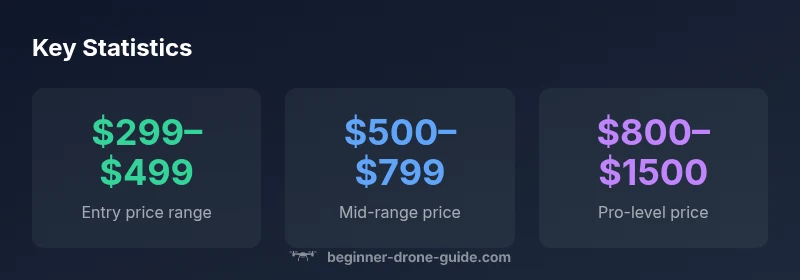
In 2026, consumer drones with cameras cluster into a few broad price bands. Entry-level models with modest cameras and basic stabilization tend to sit under $500, offering 1080p footage and simple features. Mid-range options usually fall between $500 and $799 and often include 4K video, better stabilization, longer flight times, and more precise control. Pro-level drones — aimed at enthusiasts or professionals — frequently run from $800 to $1,500 or more, featuring premium cameras, larger sensors, advanced sensing packages, and extended warranties. For those who want the best possible footage on a tight budget, there are occasional deals that dip toward the low-$400s, but you’ll typically give up some performance.
How camera quality and features affect cost
Camera quality is the single most visible driver of price. A higher megapixel count does not automatically mean better footage; sensor size and image processing capabilities matter more for low-light performance and dynamic range. A robust gimbal reduces vibrations and stabilizes footage, which adds mechanical complexity and cost. Sensor stabilization, higher frame rates, HDR capabilities, and color science all contribute to the price. In addition, onboard software such as advanced autofocus, object tracking, and intelligent flight modes increase integration costs. Finally, durability and weather resistance—critical for outdoor flights—can push prices higher when combined with weatherproof seals and rugged housings.
Smart budgeting tips for beginner buyers
- Define your primary use case (recreational video, basic photography, or learning to fly) and set a realistic ceiling. This helps you skip over features you won’t use.
- Start with entry-level gear to learn controls and safety practices; you can upgrade once you’ve established a regular flying routine.
- Prioritize core camera quality and stabilization alongside flight time; resist chasing every bell and whistle in the initial purchase.
- Account for extra costs: batteries, a charger, spare props, a protective case,
Practical buying paths for beginners
A practical approach is to mix value with safety. Look for beginner-friendly drones that offer reliable stabilization and a decent 4K option without overspending on features you won’t immediately use. Consider a mid-range model that balances camera quality with user-friendly modes, then budget for essential accessories and a basic protective case. If you anticipate frequent flights or specific projects, plan for an eventual upgrade path rather than a single, all-in-one purchase. Finally, be mindful of licensing requirements in your jurisdiction and integrate any associated costs into your overall budget.
Common price bands by drone type
| Drone Type | Typical Price Range | Key Camera/Features |
|---|---|---|
| Entry-level | 299–499 | 1080p, basic stabilization |
| Mid-range | 500–799 | 4K camera, better stabilization, GPS |
| Pro-level | 800–1500 | 4K/6K, advanced sensors, obstacle sensing |
Frequently Asked Questions
What is the typical price range for a drone with a camera?
For beginners, expect $299–$799 for entry to mid-range. Higher-end models with 4K cameras and advanced sensors often cost $800–$1,800. Always compare specs and safety features.
Most beginner buyers spend under eight hundred dollars; higher-end models cost more but offer better cameras and longer flight times.
Do I need a 4K camera to start flying?
No. Many good beginner drones offer 1080p or 2K cameras, which are sufficient for learning and basic footage. Upgrade to 4K as you grow.
You don't need 4K to start; 1080p is fine for learning and basic videos.
Are there cheaper drones with decent cameras?
Yes, entry-level models under $300–$400 can capture decent footage, but expect more blur, less stability, and shorter flight times.
Yes, but beware of quality trade-offs in image and stability.
Should I buy or rent a drone for a one-time project?
For a single project, renting can be cost-effective; buying is better if you plan regular use or long-term value. Compare rental rates vs purchase price.
Renting may make sense for a one-off job; buying is better for frequent use.
What should I look for besides price?
Camera resolution, sensor size, stabilization, flight time, range, and safety features matter more than price alone.
Look at camera quality, stabilization, and safety features, not just cost.
Do licensing or registration costs affect overall cost?
Yes. Depending on your location, licensing, registration, and training can add to the first-year cost. Budget for these as part of your total.
Yes, licensing and registration can add to your first-year costs.
“Pricing for drones with cameras scales with sensor quality, stabilization, and intelligent flight features; beginners should prioritize value and safety over the cheapest option.”
Quick Summary
- Set a budget before you shop.
- Camera quality and stabilization drive price.
- Entry-level covers basics; mid-range adds 4K and better stability.
- Factor in accessories and licensing when budgeting.