Drone Repair Near Me: Finding Trusted Local Help
Learn how to find reliable drone repair near me services, compare quotes, warranties, and turnaround times, and protect your gear with practical guidance from Beginner Drone Guide.


To find drone repair near me, start with certified repair shops and authorized service centers. Check customer reviews, confirm service scope, and verify the warranty offered. Compare turnaround times, pricing, and whether parts are genuine. Make sure the technician is qualified for your drone model and firmware version before handing over your unit.
What 'drone repair near me' means for new pilots
For a newcomer, 'drone repair near me' is more than a simple search phrase; it’s a path to getting your aircraft back in the air quickly and safely. The phrase signals you want local, hands-on help rather than remote advice. According to Beginner Drone Guide, focus first on certified technicians who understand your drone’s make, model, and firmware version. Early in your search, map out a few nearby repair options, check each shop’s service scope (diagnostics, parts replacement, calibration), and read recent customer feedback. The goal is to find a shop that communicates clearly about what will be fixed, expected turnaround, warranty terms, and whether genuine parts are used. This approach minimizes risk to your drone’s electronics and your peace of mind.
How to evaluate local repair shops
When evaluating local repair shops, balance credibility with accessibility. Look for technicians with documented training or manufacturer certifications, and verify the shop’s license or business credentials. Read independent reviews and ask for examples of previous work on similar frames or propulsion systems. Ask for a written diagnostic report before any work begins, and confirm if the price includes testing after repairs. Visit the shop if possible to observe the workspace, cleanliness, and whether they separate test flights from sterile testing areas. A transparent policy on data privacy and flight logs is a plus. Finally, compare several shops to understand standard pricing and common warranty terms.
Services you can expect from a repair shop
Most repair shops offer diagnostics, motor replacements, battery and power-system service, propeller replacement, ESC and flight-controller updates, and camera/gimbal calibration. Some shops also provide firmware re-flash and flight-data analysis to confirm safe operation after fixes. If you own a specialized drone (e.g., racing quad or payload-capable model), verify that the shop has experience with your platform, including stack compatibility and propeller compatibility. Ask whether they test after service with a known-good flight test to ensure stability and control are restored.
Manufacturer-authorized vs independent repair centers
Manufacturer-authorized service centers can offer genuine parts and model-specific support, which reduces compatibility risk on newer drones. However, they may incur higher labor costs and longer wait times. Independent shops often provide quicker turnaround and potentially lower prices, but parts may be aftermarket. Beginner Drone Guide analysis shows that many pilots find a middle ground: using authorized service for critical components or warranty-covered issues, while relying on trusted independents for routine maintenance or minor repairs. The key is to confirm warranty coverage and part sourcing before authorizing any work.
How to compare quotes and turnaround times
Start by requesting a written estimate that itemizes diagnostics, parts, labor, and testing. Ask for the estimated time to completion and whether the price includes post-repair calibration. Consider the complexity of your issue: a simple battery replacement will typically be faster and cheaper than a multi-axis motor rebuild. When comparing quotes, ensure you’re evaluating the same scope of work and the same part quality (genuine vs aftermarket). Don’t rely on language alone—ask for part numbers and serials when possible.
Safety, warranties, and data privacy considerations
Safety should be your top priority. Ensure the shop follows standard industry safety practices, uses appropriate ESD-safe handling, and handles batteries and LiPo packs carefully. Warranties vary widely; clarify what is covered (labor vs parts), the duration, and whether firmware updates are included. Data privacy is often overlooked: ask if flight logs, camera data, or control configurations are archived or transmitted externally. A reputable shop will honor confidentiality and provide a written warranty document. If something seems vague, request a written policy before work begins.
Preparing your drone for repair: a practical checklist
Before handing over your drone, back up important data, including flight logs and camera profiles. Remove any microSD cards, identify serial numbers, and photograph the drone from multiple angles. Detach accessories that aren’t needed for repair (prop guards, external payloads) to minimize damage. Pack the drone in its original case or a protective box and include a note with the model, firmware version, and a brief description of the issue. A prepared owner helps technicians diagnose faster and reduces the risk of additional damage.
Common red flags when searching for repair near me
Be wary of shops that refuse to provide a written estimate or warranty terms. Red flags include vague, broad guarantees; requests for full payment upfront; or pressure to approve unnecessary, expensive repairs. Overly aggressive upsell of third-party parts or unnecessary firmware changes can indicate lower integrity. If possible, check whether the shop participates in any consumer watchdog programs or has certifications from reputable training organizations. Trustworthy shops welcome questions and provide clear, written responses.
DIY vs professional repair: quick guide for beginners
For many hobbyists, DIY repairs can be educational but risky for expensive drones. Beginners should limit themselves to basic maintenance (calibration, firmware updates, prop replacements) and leave complex repairs to professionals. If you’re considering DIY, seek out reputable tutorials from established sources and double-check compatibility and safety warnings before attempting components like the flight controller or battery. Remember: improper repair can void warranties and create safety hazards.
Comparison of common repair service options
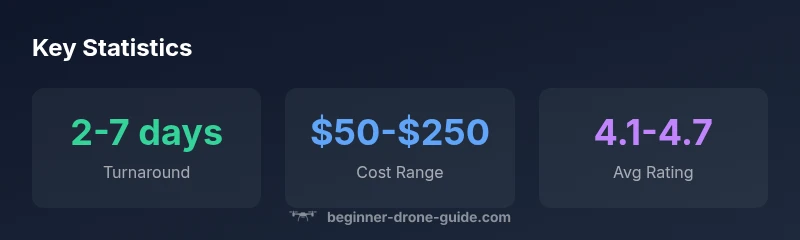
| Service Type | Turnaround | Cost Range | Warranty | Pros | Cons |
|---|---|---|---|---|---|
| Independent repair shop | 2-7 days | $50-$250 | 6 months | Flexible pricing; local support | Quality may vary by technician |
| Manufacturer-authorized service | 3-10 days | $100-$300 | 12 months | Genuine parts; model compatibility | Often higher cost; longer wait |
| Mobile repair service | 1-5 days | $60-$200 | 3-6 months | Convenient; on-site service | Limited availability; parts may be generic |
Frequently Asked Questions
What should I ask a repair shop before handing over my drone?
Ask about certifications, warranty terms, parts sourcing, and the diagnostic process. Request a written estimate before work begins and a post-repair test flight plan to confirm the fix.
Ask about credentials, warranties, parts, and the diagnostic plan. Request a written estimate and a post-repair test plan.
How long does a typical diagnostic take?
Diagnostics usually take a few hours to a couple of days, depending on the drone model and the lab’s workload. A clear diagnostic report helps you compare next steps and costs.
Diagnostics typically take a few hours to a couple of days, depending on the model.
Do manufacturers offer fixed pricing for repairs?
Some manufacturers publish fixed-fee repairs for certain issues, but many offer estimates after diagnosis. Always confirm what’s included in the price and whether calibration or firmware work is billable separately.
Some manufacturers offer fixed pricing for select issues; always confirm what's included.
Are there risks to data on the drone during repairs?
There can be exposure of flight logs and camera data if the shop needs to access internal systems. Ask about data handling and request confidentiality in writing.
Data can be exposed; ask how data is handled and for written confidentiality terms.
Can I perform repairs myself after a diagnosis?
A diagnosis can indicate complexity beyond basic maintenance. DIY is possible for simple parts, but professional repair is safer for critical components to avoid further damage.
DIY is possible for simple fixes, but for critical parts, go pro.
What documentation should I collect before repair?
Bring the drone, firmware version, serial number, a list of noticed symptoms, and any recent maintenance records. Include photos of the drone from multiple angles.
Bring drone, firmware, serial, symptoms, and maintenance records plus photos.
“Reliable drone repair hinges on credentials, transparency, and clear follow-up on warranties. A good shop communicates expectations and documents every step of the repair.”
Quick Summary
- Verify credentials before repair
- Ask for written quotes and warranties
- Prefer authorized service for critical models
- Check turnaround times and parts authenticity
- Prepare your drone data and logs for diagnostics