When Drone Rules 2021 Implemented: A Practical Guide for Beginners
Learn when drone rules 2021 implemented and what it means for beginners. This guide covers licensing, registration, Remote ID, and safe flying so new pilots stay compliant in 2026.


When drone rules 2021 implemented, regulators worldwide aimed to standardize safety, accountability, and airspace access. By late 2021 and into 2022, most regions introduced licensing, registration, geofencing, and remote identification requirements; enforcement varied by country, but the trend was toward more consistent rules for recreational and commercial pilots. This article unpacks what changed, why it happened, and how beginners can navigate the new landscape.
when drone rules 2021 implemented: A Global Overview
According to Beginner Drone Guide, 2021 marked the beginning of a concerted push by regulators around the world to bring drones into a safer, more accountable airspace. The core shifts focused on three pillars: registration of drones and operators, licensing or competency requirements for pilots, and Remote Identification (Remote ID) to allow authorities to identify drones in flight. This initial wave cut across regions with varying pace and scope, but the underlying aim was consistent: reduce risk, improve data for enforcement, and create predictable rules for both hobbyists and commercial operators. The result was a mix of compliance steps that beginners must understand early on, rather than a single universal checklist.
Key Changes Introduced in 2021
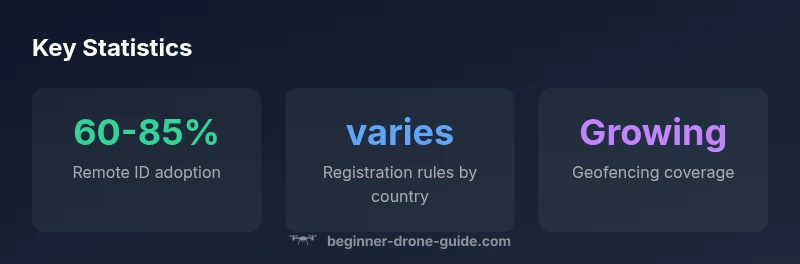
The 2021 changes commonly included three broad advances: mandatory registration of drones above certain weight thresholds, pilot certification or training prerequisites, and the rollout of Remote ID for in-flight identification. Geofencing became a standard feature in many jurisdictions, automatically restricting flight in sensitive zones such as airports or critical infrastructure. Some regions also introduced digital platforms for registering aircraft and pilots, along with new penalties for noncompliance. Importantly, many rules allowed for transitional periods, giving beginners time to adapt, but those periods varied by country.
Regional Variations You Should Know
Globally, the 2021 rule changes were not uniform. In the United States and parts of Europe, Remote ID and pilot certification gained prominence quickly, while other regions emphasized registration first, then a gradual roll-out of heavier regulatory requirements. In several Atlantic-facing markets, geofencing began to pin down flight restrictions around airfields and crowded zones. For beginners, this means that your compliance steps may differ depending on where you fly, so always check your local aviation authority’s guidance and timelines. Remember, the goal is consistent safety rather than a one-size-fits-all approach, which is why ongoing education matters.
How Rules Affect Beginners and Hobbyists
For new pilots, 2021-era updates introduced valuable guardrails that, when followed, reduce risk and increase flight confidence. Registration and licensing standards are intended to ensure pilots know the rules and can demonstrate competency. Remote ID provides accountability, which helps with incident resolution and airspace safety. Beginners should prioritize learning the local regulations, completing any required training, and keeping records of their flights. The net effect is a more predictable, safer hobby with clearer boundaries for when commercial activities become necessary.
Licensing, Registration, and Remote ID: What You Need to Do
Start by locating your country’s aviation authority and confirming the exact thresholds for registration and licensing. If your drone weighs above the mandated limit, register the drone and yourself; otherwise, some jurisdictions may still require operator registration. If Remote ID is mandatory, ensure your drone has built-in transmission capabilities, or use a compatible module. Keep your certificates, device credentials, and flight logs organized, as this simplifies renewals and potential inspections. Finally, study the local airspace rules and always conduct a preflight risk assessment before every flight.
How to Prepare for Compliance: Steps for New Pilots
Create a simple onboarding plan: (1) identify your local regulatory body, (2) verify drone weight and any registration/licensing thresholds, (3) enroll in any required training, (4) enable Remote ID if required, (5) practice in controlled spaces before venturing into complex airspace, (6) maintain up-to-date flight logs and proof of registration. Use beginner-friendly resources from trusted sources, practice responsible flight planning, and build a habit of checking geofencing maps before each flight to avoid accidental violations.
Practical Scenarios: Flying for Real-World Applications
Real-world pilots often start with simple tasks that align with basic rules, like aerial photography in park zones away from crowds or surveying a property under the rules for commercial use. As you gain experience, you may encounter more complex airspace scenarios requiring additional permissions or waivers. The 2021 wave made it clear that preparation and documentation are as important as flight skills. By treating every flight as an opportunity to demonstrate compliance, you’ll cultivate a habit that supports safe flying and professional growth.
Global snapshot of drone rules updates since 2021
| Region/Area | Key Change | Notes |
|---|---|---|
| United States | Remote ID & Part 107 updates (2021-2024) | Licensing, registration, and ongoing compliance |
| European Union | EU-wide standardization (EASA rules) from 2021 | Open and specific categories with cross-border considerations |
| Canada | Modernized drone rules beginning 2021/2022 | Registration thresholds and pilot certification updates |
| Australia | CASA updates 2021+ focusing on safety | Remote ID and clear operational boundaries |
Frequently Asked Questions
What drove the 2021 drone rule changes?
A mix of safety, privacy, and airspace management concerns pushed regulators to establish clearer standards and enforcement mechanisms. The goal was safer skies and more predictable use for both hobbyists and commercial operators.
Regulators updated rules to improve safety and accountability, especially around airspace use and privacy. The changes aimed to create clearer guidelines for pilots.
Do I need to register my drone in all countries after 2021?
Registration requirements vary by country. Some places require drone registration or operator registration, while others focus on payload, weight, or use case. Always check your local regulator’s official guidance.
Registration depends on where you fly. Check the local authority for the exact rules.
Is remote ID mandatory for recreational pilots?
In many regions Remote ID is required for flight, including recreational operations, especially for newer models or flights in controlled airspace. Some areas still permit exemptions or phased rollouts.
Remote ID is common for hobby flights in many places; check your region’s exact rule.
What license do I need as a beginner?
Licensing depends on the country. Some places require a basic pilot certificate or competency test, while others only require registration and adherence to safety guidelines for recreational use.
Licensing requirements vary by country; some places require a basic certificate, others do not.
How should beginners prepare to fly legally?
Start by confirming local rules, complete any required training, register if needed, enable Remote ID, and practice in safe, controlled areas before moving to complex airspace. Keep documentation up to date.
Confirm local rules, get training, register if required, and practice in safe spaces.
Will rules keep changing after 2021?
Regulatory frameworks continue to evolve as technology and use cases expand. Expect periodic updates, new waivers, and ongoing guidance from national regulators.
Yes. Expect ongoing updates as drones and operations evolve.
“The 2021 rulemaking wave didn’t just add more requirements; it shifted pilots from hobbyists to informed operators, which ultimately improves safety and access when navigated correctly.”
Quick Summary
- Understand local rules before each flight and stay updated.
- Register if required and keep proof of compliance handy.
- Enable Remote ID where mandated and maintain flight logs.
- Learn the airspace rules that apply to your typical flight zones.
- Plan for ongoing updates as regulations evolve.