What Drone Needs to Be Registered: A Beginner’s Guide
Learn who must register a drone, how the process works, and practical steps for beginners to fly legally, safely, and with confidence.


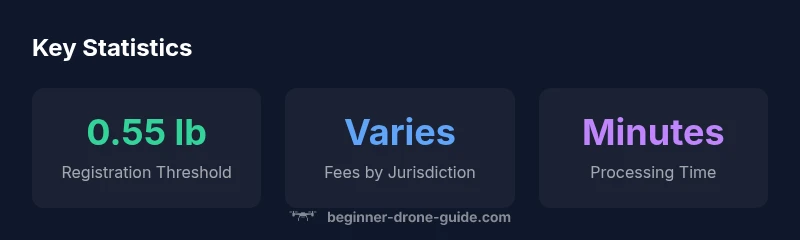
In the United States, drones that weigh more than 0.55 pounds (250 grams) must be registered with the FAA before flight. This rule covers recreational and commercial use alike, and the registration number must be displayed on the aircraft. Always verify current thresholds for your location before flying, and recognize that rules vary by country.
What counts as a drone that needs to be registered?
Drones that weigh more than 0.55 pounds (250 grams) generally fall under mandatory registration in many jurisdictions, including the United States. The term drone covers quadcopters, fixed wing micro aircraft, and other small unmanned aerial systems used for hobby, education, or work. The exact threshold and rules can vary by country, state, or province, so beginners should start with the highest level of caution: verify local authorities before flying. In practice, if your drone is intended to take off under a manufacturer’s label or if you plan to fly it outdoors, expect that you may need to register. The phrase what drone needs to be registered captures the core decision point: weight and purpose determine the requirement.
Weighing your drone and measuring mass
Mass matters because registration hinges on weight at takeoff. Start with the drone's official empty weight before adding batteries or payload. Convert between pounds and grams using simple math: 1 pound equals 453.592 grams. If your drone is just under 0.55 pounds, it can cross the threshold after you install a heavier battery or add accessories, so recheck after changes. Keep a small scale or use the manufacturer specs for the most accurate figure. For beginners, this check is the fastest way to know if you should start a registration process before your first outdoor flight.
The official process to register in the United States
To register a drone in the United States, begin by confirming your drone meets the threshold. Then visit the FAA DroneZone portal and create a user account. Add the drone details such as make, model, and estimated weight, and attach the serial number if provided by the manufacturer. Pay any applicable registration fee and obtain a unique registration number. Finally, mark this number clearly on the drone and keep the proof of registration accessible during flights. While this outlines the standard steps, always verify current FAA guidance and your local rules before flying.
Costs, timelines, and what affects them
Registration costs and processing times vary by jurisdiction and by the type of operation. In many places, online registration is designed to be quick, often completed within minutes, while some delays can occur during high demand periods. Fees, if any, may be per drone or per owner, and can depend on drone weight or class. For beginners, budget for the registration itself and any optional add ons such as expedited processing or updates when you change drones. Always consult the official authority in your country for exact figures and timelines.
Renewal, updates, and keeping your registration current
Registration is not a one time task in all regions. If you move, change address, or alter the drone weight, you may need to update your registration. When you sell or transfer ownership of a drone, check whether the new owner must register anew. Keep records of your registration and consider a simple reminder system to renew or update information as required. Staying current avoids penalties and simplifies when you next fly.
Registration exemptions and edge cases
Most jurisdictions exempt drones below the weight threshold from mandatory registration, but there are important caveats. Some countries require registration for drones used for commercial activities even if the aircraft is light, while others require registration for drones used in online or broadcast contexts. Indoor flights often fall outside strict airspace rules, but many pilots still choose to register as a precaution. Always check your local regulations to confirm whether your model falls under exemption or not.
Licensing vs registration: what new pilots should know
Registration and licensing cover different aspects of airspace rules. Registration identifies the aircraft and its operator, while licensing certifies who can fly and under what conditions. In many regions, hobby flyers only need to register their drone, whereas commercial operators may need a pilot certificate or waiver to fly for compensation. If you plan to do photography for clients or use drones for business, learn the exact licensing requirements in addition to registration.
Practical steps for beginners
Start your journey with a simple checklist:
- Confirm weight and purpose of your drone
- Check registration thresholds for your country
- Create a registration account and register the drone
- Mark the registration number on the aircraft
- Study local airspace rules and any licensing needs
- Keep proof handy for inspections or audits This practical approach helps new pilots fly smarter, safer, and with confidence.
How to stay compliant on a budget and safely
Staying compliant does not have to be expensive. Plan ahead, use official portals, and keep all documentation organized. Before your first outdoor flight, review current rules and ensure your equipment carries the proper identification. If you travel with your drone or operate in multiple jurisdictions, maintain updated records and check for regional variations. A small upfront investment in compliance leads to smoother flights and fewer penalties.
Global overview of registration thresholds (high-level).
| Jurisdiction | Registration Threshold | Notes |
|---|---|---|
| United States (FAA) | 0.55 lb / 250 g and up | Registration required for most outdoor flights; display number on drone. |
| Canada (Transport Canada) | 250 g and up | Registration required; licensing may apply for commercial operations. |
| United Kingdom (CAA) | 250 g and up | Registration and operator ID required for many flights; check latest guidance. |
Frequently Asked Questions
What weight threshold requires registration in the United States?
Drones weighing more than 0.55 pounds (250 g) require registration with the FAA. The rule covers both hobby and commercial flights, and you must display the registration number on the aircraft.
Drones over 0.55 pounds require FAA registration, with the number displayed on the drone.
Do toy drones require registration?
If a toy drone weighs over 0.55 pounds or is used for commercial purposes, registration applies. For lighter, purely indoor toys, rules may differ by country.
If it weighs over 0.55 pounds or is used commercially, it needs registration; otherwise check local rules.
Can I register more than one drone at once?
Yes, you can register multiple drones, but each aircraft typically requires its own identification and documentation. Check your national authority for any batch or owner-based options.
You usually register each drone separately, but confirm with your authority for any bulk options.
What information do I need to register?
You will typically provide your name and address, email, drone make and model, weight, and serial number if available. Keep proof of registration accessible during flights.
Bring your name, address, email, drone details, and serial number if available.
Is registration the same as getting a drone license?
No. Registration identifies the aircraft and owner, while licenses certify the pilot or operator's qualifications. Licensing often depends on whether you fly commercially or in specific airspace.
Registration is not a license; pilots may need separate certifications for commercial work.
What happens if I move to a new address?
Update your registration if your address changes. Some regions require re-registration or updating the records to reflect the new location.
If you move, update your address in the registration records.
“Registration is the first step toward responsible flying. It helps beginners understand airspace rules and protects people on the ground.”
Quick Summary
- Know the weight threshold and check your drone weight before every flight.
- Register each eligible drone and display the registration number on the craft.
- Keep registration documents accessible during flights.
- Understand licensing needs in parallel with registration if you fly commercially.
- Always verify the latest rules with your local authority before flying.