New Jersey UFO Drone: A Beginner's Guide to Safe, Legal Flying
Learn how to fly a beginner-friendly drone in New Jersey, stay compliant with FAA rules and NJ guidelines, and observe aerial phenomena safely. Practical steps, gear, and safety reminders for your new jersey ufo drone journey.


With this guide you will learn to fly a beginner-friendly drone in New Jersey while staying legal, safe, and considerate of others. You’ll understand FAA rules, explore NJ-specific guidelines, and plan a practical observation mission using a new jersey ufo drone. Expect step-by-step instructions, typical gear, and safety reminders to help you start confidently.
Why this New Jersey UFO Drone Guide matters
New Jersey offers a kaleidoscope of flight environments—from crowded city blocks to coastal breezes over marshlands. For beginners, this mix creates exciting learning opportunities while also raising the stakes for safety and legality. A solid start keeps you out of trouble and ensures you can focus on building confidence behind the sticks. According to Beginner Drone Guide, a well-structured plan is your best friend when entering any new airspace, especially in busy states like New Jersey. If you’re curious about combining curiosity for unusual aerial phenomena with practical piloting, a simple guideline is to approach the sky with respect and readiness. The idea behind the phrase new jersey ufo drone is not to chase mysteries blindly, but to practice controlled flight while observing potential sightings from a safe distance. This section outlines the approach you’ll use as you begin your journey, including how to verify airspace, gear up, and establish a personal safety checklist.
Legal foundations: FAA rules and New Jersey specifics
Flying a drone in New Jersey starts with understanding the two main categories of rules: FAA guidelines for recreational and commercial use, and state or local restrictions that may apply in parks, beaches, or protected areas. Recreational pilots should follow safety guidelines developed by the FAA for hobby flights, while commercial operators must meet more formal requirements. Registration and certification considerations apply depending on your operation type and drone weight. In practice, this means checking flight permissions before you launch, respecting privacy, and avoiding restricted zones. The Beginner Drone Guide team emphasizes that diligent preparation saves you from avoidable penalties and keeps airspace friendly for everyone. Planning ahead helps you avoid surprises and keeps your new jersey ufo drone project aligned with legal expectations.
Airspace awareness: NJ airports and zones
New Jersey hosts several major airports and busy heliports, which creates dense airspace around urban centers and along the coastline. Before every flight, verify which airspace you’ll be operating in and whether you need authorization. Tools like FAA-approved apps can help you determine restrictions in real time. In coastal towns and parks, keep a safe distance from flight corridors and always maintain line-of-sight with your drone. Understanding local airspace rules reduces risk of conflicts with manned aircraft and minimizes surprises when you plan a flight near high-traffic regions. This section provides a practical approach to identifying no-fly zones, wildlife refuges, and other sensitive areas that require extra caution, so you can pursue curious observations with confidence.
Planning a UFO-sighting mission with a drone
If your goal is to observe unusual aerial phenomena responsibly, start with a clear objective, a simple route, and a conservative operating envelope. Map potential vantage points that offer wide, open views without infringing on private property or trespassing. Formulate a checklist that covers weather tolerance, wind limits, battery endurance, and emergency procedures. In New Jersey, coastal fogs or sudden sea breezes can affect flight stability, so plan for contingencies. Always keep privacy and consent in mind when filming people or private property. The phrase new jersey ufo drone should inspire curiosity, not intrusion, so keep your sessions courteous and well-documented for later review.
Choosing a beginner-friendly drone for state-specific flying
For a new jersey ufo drone setup, select a model with stable GPS, reliable return-to-home, and intuitive controls suitable for beginners. Favor drones with obstacle avoidance that can help you practice safe navigation in cluttered environments. Be mindful of wind tolerance and flight time; big jets and tall structures nearby can create gusts that challenge entry-level aircraft. A light, portable drone with beginner flight modes reduces learning curves and increases your confidence as you practice in varied New Jersey terrain. Remember to balance performance with ease of use to ensure your first flights are enjoyable rather than frustrating.
Safety, privacy, and etiquette for New Jersey flights
Safety and etiquette go hand in hand when you’re piloting a drone in public spaces. Maintain the required visual line of sight, respect no-fly zones, and avoid flights over crowds. Respect private property and obtain permission when filming near homes or yards. Privacy concerns are especially important when documenting sightings of unusual aerial phenomena; avoid recording faces or sensitive activities without consent. In NJ, local ordinances can add layers beyond federal rules, so stay updated on municipal policies where you fly. The goal is to fly confidently while minimizing disruption to others and preserving public trust in drone activity.
Realistic field scenarios and checklists for NJ
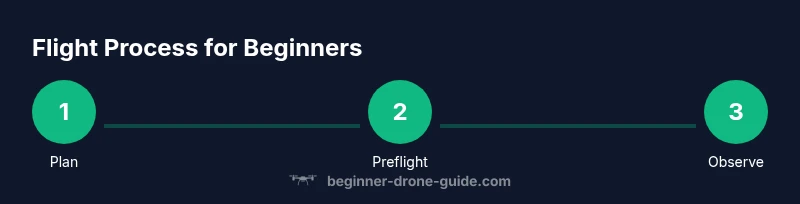
As you gain experience, create field checklists that cover preflight, flight, and postflight tasks. A typical session might begin with verifying airspace, checking weather, and inspecting batteries. During flight, practice gentle climbs and steady horizontals to build trackable footage. Afterward, log flight data, review recordings, and note any anomalies you observed. Use these practice runs to refine your technique and expand your safe operating envelope. This structured approach helps you progress steadily and reduces the chance of errors during unexpected conditions.
Maintenance, logs, and ongoing learning for a NJ pilot
Maintenance habits are essential for longevity and reliability. Clean propellers, calibrate sensors, and update firmware as recommended by the manufacturer. Keep a simple flight log that records date, location, weather, and battery performance. Regular practice in diverse New Jersey environments—city streets, parks, beaches—will improve your handling and situational awareness. Seek additional training resources, join local flying clubs, and participate in online communities to stay current on safety advisories and evolving regulations. This ongoing learning cycle supports a confident, responsible flying routine with your new jersey ufo drone.
Tools & Materials
- Drone (beginner-friendly)(Choose a model with stable GPS and beginner modes.)
- Remote controller(Ensure it powers up and pairs reliably with the drone.)
- Registration proof (if required)(Carry documentation if your drone requires FAA registration.)
- Spare batteries(Bring at least one full extra to extend practice time.)
- MicroSD card(For storing footage captured during practice flights.)
- Battery charger(Have a reliable charger compatible with your batteries.)
- Propeller guards (optional)(Helpful for beginners when practicing in confined spaces.)
- Headlamp or portable light (optional)(Useful for dusk or dawn sessions when visibility shifts.)
Steps
Estimated time: 60-90 minutes
- 1
Check legal requirements
Review FAA rules for recreational or commercial use and confirm any New Jersey-specific restrictions in the area you plan to fly. This step reduces the risk of fines and helps you prepare the right paperwork if needed.
Tip: Use official FAA resources or a trusted airspace app to verify permissions before takeoff. - 2
Inspect and prep gear
Inspect the drone, controller, batteries, and propellers. Calibrate sensors if required by your model and ensure firmware is up to date before each flight.
Tip: Run a quick range test in an open area to confirm you can maintain control without interference. - 3
Plan flight path and safety margins
Map a simple route with clear takeoff and landing zones. Set a conservative altitude, avoid crowds, and identify potential exit points in case of an emergency.
Tip: Document your flight plan and share it with a friend in case you need assistance. - 4
Perform a controlled hover and test flight
Lift off in a safe space, hover at a low altitude, and test basic movements. Observe stability and responsiveness in moderate NJ wind conditions.
Tip: If weather changes, abort and land gently to avoid drift or loss of control. - 5
Execute the observation mission
Proceed along your planned route, maintaining line of sight and capturing footage at a steady pace. Pause if you encounter interference or visibility issues.
Tip: Keep a careful eye on battery levels and don’t push flight time beyond safe limits. - 6
Return, land, and log flight data
Secure your drone, land safely, and review footage. Record date, location, weather, and any notable observations in your flight log.
Tip: Perform post-flight checks and store media securely for future reference.
Frequently Asked Questions
Do I need to register my drone to fly in New Jersey?
Registration requirements depend on your drone’s characteristics and intended use. In general, FAA rules apply, and you may need to register for civil use or obtain a certificate for commercial operations. Always verify current guidelines before flying.
Registration and rules depend on your drone and intended use; check FAA guidelines before you fly.
Can I fly at night or in low light in New Jersey?
Night operations are allowed under certain conditions and with appropriate lighting and authorization. Always follow FAA guidance and any local rules that may apply in your area.
Night flying is allowed only under specific conditions; check FAA guidance and local regulations first.
Are there NJ-specific restrictions I should know about?
State and local jurisdictions may restrict drone use in parks, beaches, wildlife areas, and near critical infrastructure. Always check local ordinances and seek permissions when needed.
Local rules can add restrictions; verify permissions with the municipality before flights.
How should I handle privacy when filming around sightings?
Avoid capturing identifiable people without consent and respect property boundaries. If you must film near private property, obtain permission and follow the law.
Be respectful of privacy, avoid faces, and get consent when filming near private property.
What should I do if I observe a potential UFO near NJ airspace?
Document safely from a distance, do not chase or interfere with air traffic, and report notable observations to local authorities if appropriate.
If you see something unusual, stay safe, document from afar, and report if necessary.
What’s the best way to improve my NJ drone flying skills?
Practice routine flights in varied environments, review footage, and seek feedback from local drone communities or clubs.
Practice regularly and seek constructive feedback to improve.
Watch Video
Quick Summary
- Know FAA rules and NJ-specific guidelines before every flight.
- Plan, practice, and log every session for ongoing improvement.
- Fly safely, respect privacy, and stay courteous to the public.
- Choose beginner-friendly gear to build confidence quickly.
- Document flights and maintain a clean maintenance routine.