Is Drone Allowed in Grand Canyon? A Practical Guide for Beginners
A practical, data-driven guide answering is drone allowed in grand canyon, with permit paths, FAA rules, and safer, legal alternatives for beginners.


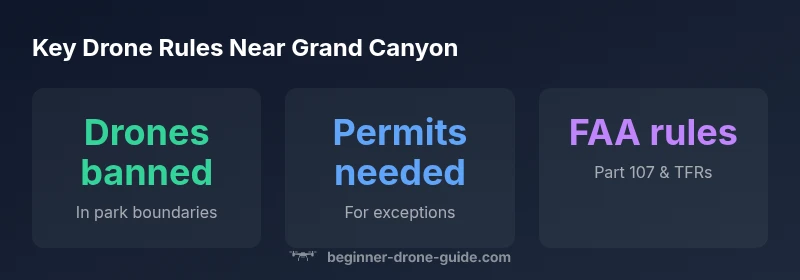
Is drone allowed in grand canyon? Drones are prohibited inside Grand Canyon National Park boundaries for recreational use, and the FAA requires compliance with Part 107 for permitted flights. Exceptions exist only via a formal Special Use Permit for specific research, film, or emergency operations. Always verify current rules with the National Park Service before planning any flight near the canyon.
Is the Grand Canyon a no-fly zone? What the rules mean for you
If you’re exploring the question "is drone allowed in grand canyon", the short answer is that drone flights are generally not allowed inside Grand Canyon National Park boundaries for recreational use. The National Park Service (NPS) governs airspace within parks and follows FAA rules, but park policy takes precedence over generic drone regulations. The overarching goal is to protect wildlife, preserve visitor experiences, and minimize disturbances to the canyon’s fragile environments. For beginners, this means planning your shot carefully and considering off-site options that stay outside park boundaries while still capturing the grandeur of the landscape.
Enforcement, safety, and practical implications
Enforcement in and around the Grand Canyon is taken seriously. Rangers monitor park lands for safety violations, wildlife disturbance, and disruptive drone activity. Penalties can include fines and permit revocation, and repeated offenses may lead to civil or criminal action. Beyond legal consequences, flying a drone in the canyon can disturb sensitive wildlife habitats, including nesting birds and other wildlife that rely on the cliff ecosystems. For beginners, this underscores the importance of learning the rules, preparing a respectful flight plan, and avoiding peak visitation times when crowds can complicate operations.
Permits and exceptions: when you can fly legally
There are rare circumstances where a drone operation might be permitted inside park boundaries, but these require a Special Use Permit from the National Park Service. Common legitimate uses include scientific research, film and media production with a sanctioned plan, or emergency response. The permit process typically involves submitting a detailed flight plan, describing purpose, flight path, safety measures, and how wildlife and visitors will be protected. Even with a permit, certain areas (such as sensitive cliffside zones and crowded overlooks) may remain off-limits. Always confirm the latest permit requirements and processing timelines before applying.
Outside the park: near Grand Canyon but not inside it
If your goal is to capture drone footage of the canyon’s scenery, consider flying on public lands adjacent to the park or on land with permission from the landowner. Areas outside the park, including state or federal lands managed by other agencies, have their own drone policies. Always verify land-management policies, airspace restrictions, and any temporary flight restrictions (TFRs) that may apply. In essence, you can legally fly near the Grand Canyon from locations outside the park, provided you comply with applicable laws and avoid restricted zones.
FAA rules you must follow, especially near protected landscapes
Regardless of where you fly, you must follow FAA rules for unmanned aircraft systems (UAS). This includes registering your drone if required, adhering to Part 107 for commercial operations or the FAA recreational rules for hobby flights, and maintaining line of sight. When near national parks or wilderness areas, you should also be mindful of temporary flight restrictions and airspace classifications that can change with events or wildlife migrations. Planning ahead and staying within permitted airspace helps prevent violations and keeps you safe.
Best practices for safe, responsible drone use in canyon country
For responsible flying near the Grand Canyon, start with a pre-flight risk assessment: check wind conditions, light, and visibility; avoid flights over crowds; respect wildlife; and stay well clear of sensitive habitats. Use low-altitude flight stunts only in permitted zones, avoid long-range or high-speed passes that may surprise visitors, and keep a visible observer if required by permit or local rules. Remember to pack a clear action plan in case of loss of telemetry or GPS signal.
Plan, apply, and partner: practical steps for a compliant shoot
If you’re pursuing a sanctioned project, begin with a precise scope and risk assessment. Contact the NPS permit office for Grand Canyon, prepare a flight plan, safety protocols, and wildlife impact mitigation. If you’re working with a production or research team, coordinate with park management, law enforcement, and any local land managers to align on dates, locations, and access. After approval, follow the permit’s conditions strictly and document everything.
Alternatives: storytelling without a drone in the Grand Canyon
Ground-based photography, time-lapse photography from overlooks, and panoramic stitched photography offer compelling canyon storytelling without drone use. Ground-level videography from designated viewpoints, plus published aerials from permitted sources, can still convey scale and drama. For many beginners, building skills in composition, use of telephoto lenses, and post-processing yields impressive results while staying within legal limits.
Resources and next steps: where to go from here
Beginner drone pilots should rely on official sources for the latest policies. Start with the National Park Service page for Grand Canyon drone policies and the FAA UAS rules. If your project requires a permit, review the published guidelines, timelines, and contact channels. Keeping a proactive, safety-first mindset will reduce risk and help you learn more effectively over time.
Overview of drone-related policy facets around the Grand Canyon area
| Aspect | Policy in Grand Canyon | Notes |
|---|---|---|
| Inside park flights | Prohibited for recreational use | Exceptions only with Special Use Permit |
| Outside park lands near canyon | Subject to land management rules | Check local land permissions and restrictions |
| FAA rules | Follow Part 107 or recreational rules | Airspace, registration, and TFRs apply |
| Permits | Special Use Permit required for exceptions | Process involves plan and mitigation measures |
Frequently Asked Questions
Is flying a drone legally permitted anywhere near the Grand Canyon?
Only in areas outside the park or with a Special Use Permit inside the park. Recreational flights within park boundaries are generally not allowed. Always verify current rules with official sources.
Outside the park or with a permit inside, but not for general recreational flights inside the Grand Canyon National Park.
What permits are needed to film near the Grand Canyon?
A National Park Service Special Use Permit is required for approved exceptions. The process involves submitting a flight plan, safety measures, and wildlife mitigation details.
A park permit is required for permitted operations; you must submit a detailed plan.
Can I operate a drone for personal use in the park if I’m not a professional?
Generally no. Recreational flights are prohibited inside park boundaries, with exceptions only under a permit. Outside the park, follow applicable rules.
No, not inside the park; exceptions require a permit.
Are there nearby areas where drones are allowed?
Drones may be allowed on adjacent lands managed by other agencies; rules vary. Always verify land-management policies before flying.
Check the local land rules before flying near the canyon.
What FAA rules apply when flying near national parks?
Follow FAA Part 107 for commercial flights or the recreational rules for hobby flights. Stay clear of restricted airspace and watch for temporary flight restrictions.
Follow Part 107 or recreational FAA rules and watch for TFRs.
“Drones offer powerful storytelling, but national parks like the Grand Canyon reserve air access to protect wildlife and visitor experience. Verify current rules and pursue permits when needed.”
Quick Summary
- Know the park policy before you fly
- Seek a Special Use Permit only for approved exceptions
- Fly only outside park boundaries or on permitted lands
- Always follow FAA rules and check for TFRs