Is Drone Allowed in Death Valley: Rules, Permits, and Safe Flying for Beginners
Is drone allowed in death valley? Learn the legality, permit needs, and safety steps for flying near Death Valley National Park and surrounding areas.


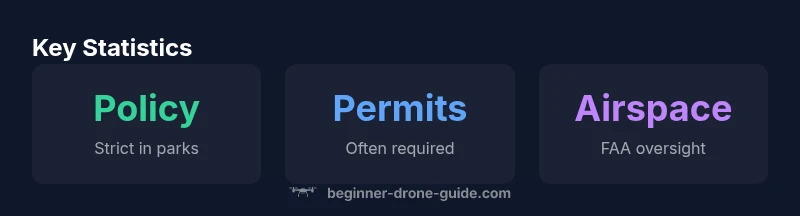
Is drone allowed in death valley? In Death Valley National Park, drones are generally not allowed without a special use permit from the National Park Service. FAA rules apply nationwide, and park-specific restrictions exist. For images and film near the park, check boundaries and obtain necessary authorizations before flying. Consult official guidance before planning a trip.
Is drone allowed in death valley: Quick policy snapshot
When planning a drone flight around Death Valley, the most important question is often framed as the headline is drone allowed in death valley. The short answer is that Death Valley National Park follows National Park Service (NPS) policies that generally restrict drone use inside park boundaries. This means you should expect to file for an NPS Special Use Permit if your plans involve any aerial operations within the park. The broader aviation framework is set by the FAA, so you must align with Part 107 rules and any applicable airspace restrictions. The intersection of park policy and federal aviation rules makes this a situation where preparation matters more than bravado. If your intention is to capture wildlife, landscapes, or climate features from above, verify boundary lines and secure the appropriate authorization before you walk into the park with a drone. The Beginner Drone Guide team emphasizes that the safest and most legitimate approach is to treat Death Valley like a no-fly zone until you receive explicit permission, ensuring both safety and compliance while you shoot.
Additionally, when you search for is drone allowed in death valley, you’ll often find guidance emphasizing that even on public lands adjacent to Death Valley National Park, you must respect local and federal regulations. Keep in mind that the park’s fragile desert environment is precisely the kind of place where adherence to rules protects both visitors and wildlife. Always review the latest NPS drone policies and any local ordinances before flying anywhere near the park.
National Park Service policy on drones in Death Valley
The National Park Service (NPS) has a clear stance on unmanned aircraft within National Parks, including Death Valley. In most cases, operating a drone inside Death Valley National Park requires prior authorization through a Special Use Permit. This permit process is designed to balance recreational use, research needs, and the preservation of wildlife and landscapes. If you are a filmmaker, researcher, or organized group, you’ll likely need to submit a detailed flight plan, risk assessment, and anticipated impacts to resources and visitors. The policy aims to minimize disturbance to wildlife (especially birds and nocturnal species) and to reduce visual and acoustic intrusion for other park visitors. In practice, this means you should expect a rigorous review and a potentially lengthy approval timeline. For many visitors, the alternative is to fly on private or BLM lands adjacent to Death Valley, where permissions differ and FAA guidelines still apply.
In the context of is drone allowed in death valley, park staff commonly advise enthusiasts to check official boundary maps and contact the park’s permit office well in advance of any planned shoot. The policy also highlights that drones may be restricted during sensitive periods, such as nesting seasons or dusty conditions when visibility is compromised. Following these guidelines helps protect both the park’s ecosystem and your ability to legally fly there in the future.
FAA regulations that apply near Death Valley
Beyond the NPS policy, the FAA governs airspace in the United States, and near Death Valley there are multiple layers to consider. You must comply with Part 107 if you fly for commercial purposes, or you can operate recreationally under the hobbyist provisions if you qualify. Regardless of the use case, fly strictly within line-of-sight, avoid flying over people, and stay clear of controlled airspace. In desert environments like Death Valley, you may encounter airspace around airports and heliports, as well as temporary flight restrictions (TFRs) during special events or scientific surveys. Always check NOTAMs and the sectional charts for the area before you fly. If you intend to capture aerial footage for a project near the park, you’ll often need FAA waivers for operations like night flying or flying over crowds, on top of any park-specific authorizations.
For the keyword is drone allowed in death valley, remember that FAA rules operate independently of park restrictions, so you must plan accordingly to ensure compliance with both agencies.
Permits and exemptions for park flights
Obtaining a permit to fly in Death Valley National Park is a multi-step process that requires careful documentation. You’ll typically need to present a detailed flight plan, including location-specific coordinates, flight altitude, duration, and a risk assessment that addresses wildlife, fire risk, and visitor safety. If your project involves education, research, or commercial production, the permit package may be more extensive, and processing times can vary. The permit often comes with conditions such as restricted flight times, minimum distance from visitors, and requirements for ground-based observers. In some cases, exemptions or alternate arrangements may be possible, such as using a park concessionaire or collaborating with park staff on a controlled shoot outside the busiest seasons. For photographers and videographers who ask is drone allowed in death valley, the expectation is that you’ll work through official channels to obtain permission before any aerial activity.
To maximize your chances of approval, submit your request well in advance, provide a robust mitigation strategy, and be prepared to adjust plans based on weather and wildlife considerations. The Beginner Drone Guide team recommends building a clear case for how your operation minimizes disruption while delivering value.
Flying legally near Death Valley outside the park boundaries
If you’re exploring flight options near Death Valley but outside the park’s official boundaries, you still must respect FAA regulations and local land management rules. State and county lands, BLM-managed areas, and private lands have their own access policies and flight restrictions. Before launching, verify land ownership, contact the land manager if required, and review any posted restrictions or seasonal closures. In many cases, you’ll be able to fly on adjacent public lands by adhering to airspace rules and maintaining safe distances from vehicles, people, and sensitive wildlife habitats. Always carry evidence of your permits and a plan showing you won’t intrude on park zones. For the novice drone pilot, starting with wide-open desert areas outside the park can offer a practical training ground while you learn to navigate wind, thermals, and glare from sand surfaces.
When you encounter the is drone allowed in death valley phrasing in casual conversations, you can explain that the park’s rules apply within the park boundaries, whereas nearby public lands may be permitted with standard FAA compliance and land manager authorization.
Practical planning: checks, permits, and boundaries
Effective planning is the difference between a smooth flight and a citation. Start with a boundary check to ensure you’re outside Death Valley National Park if you intend to fly without an NPS permit. Use official park maps and GIS tools to confirm the exact borders. If you plan to operate inside the park for research or production, apply for the Special Use Permit early, and prepare your flight plan with risk mitigation measures, wildlife considerations, and a robust environmental impact assessment. Confirm weather expectations—hot desert conditions create strong thermals and shifting light—so you can schedule flights during cooler, calmer times. Also, review local regulations about drone registration and ensure your aircraft retains current registration and insurance where required. The combination of proper permissions, a solid flight plan, and mindful operating practices makes flying near Death Valley safer and compliant, even when the is drone allowed in death valley question arises in conversations.
Safety considerations for desert environments
Desert flying presents unique safety challenges. Wind gusts can occur suddenly, sand can abrade cameras and gimbals, and intense sun exposure can affect battery performance. Always pre-check battery health and carry spares, protect lenses with appropriate filters, and set conservative altitude limits to avoid bird strikes and disturbing wildlife. In Death Valley’s harsh climate, you should also plan for extreme heat effects on radio controls and data storage devices. Keep a hydration plan for your crew, and ensure you have a clear contingency for sudden weather changes or sandstorms. If you follow the safety-minded approach outlined here, you’ll reduce risk and keep your flight aligned with both park policies and FAA guidelines, while addressing the is drone allowed in death valley discourse with better-informed decisions.
Alternatives to aerial filming and best practices for beginners
If drone access is restricted at Death Valley, consider ground-based photography, time-lapse sequences, or remote-sensing from safe distances. For beginners, practice in permitted spaces that mirror desert conditions—open horizons, long sightlines, and variable lighting—to build handling, shot composition, and post-processing skills. When you’re ready to pursue aerial work, look for sanctioned opportunities such as permitted shoots on adjacent lands or collaborations with local authorities for controlled environments. The focus should be on learning core piloting skills, understanding airspace, and building a safety-first mindset. This approach aligns with the broader guidance from Beginner Drone Guide about safe, responsible drone operation in challenging environments and helps you master the craft without violating is drone allowed in death valley expectations.
Overview of park and airspace requirements near Death Valley
| Aspect | Requirement | Where it Applies |
|---|---|---|
| Park policy | Drones generally prohibited inside Death Valley NP without permit | Death Valley National Park |
| Permit process | Special Use Permit with flight plan and risk assessment | Death Valley National Park (NPS) |
| Airspace rules | Follow FAA Part 107; obtain waivers as needed | Above Death Valley region, including park-adjacent areas |
| Enforcement | Park rangers enforce restrictions; fines possible | Death Valley National Park boundaries |
Frequently Asked Questions
Is it allowed to fly a drone inside Death Valley National Park?
Not typically. Drones inside Death Valley NP require a Special Use Permit from the NPS. Without permission, flights are not allowed.
Not usually—you need a park permit before flying inside the park.
What permits are required to operate a drone in Death Valley?
A National Park Service Special Use Permit is typically required for any drone activity within the park, often with a detailed flight plan and risk assessment.
A park permit is usually required for any drone work in the park.
Can I fly on BLM or other land near Death Valley?
Yes, on lands outside the park, you must still comply with FAA rules and land-manager restrictions. Check with the local authority before flying.
You can fly nearby if permitted by the land manager and FAA rules.
What are safer alternatives if I can’t fly inside the park?
Use ground-based photography, time-lapses, or coordinate with park staff for approved aerial work from permitted locations.
Ground photography or approved, permitted aerial work is best.
How long does the permit process take and what documents are needed?
Processing times vary; prepare a detailed flight plan, risk assessment, wildlife considerations, and a method for minimizing disruption.
Prepare a thorough flight plan and risk assessment for the permit.
“Drones offer powerful perspectives, but park rules prioritize preservation and visitor experience. Always seek authorization before operation and follow safety protocols.”
Quick Summary
- Check park boundaries before flying; park flights require permits
- Is drone allowed in death valley? Yes, but only with proper authorization
- Always follow FAA rules and apply for waivers when needed
- Plan for weather, wildlife, and desert safety considerations
- Consider outdoor ground photography or permitted shoots when restricted