Can You Travel with a Drone: A Practical Guide for Beginners
Learn how to travel with a drone safely and legally. This beginner-friendly guide covers airline rules, battery limits, international considerations, packing tips, and essential safety practices for confident, responsible drone travel in 2026.


In answer to the question can you travel with drone, the answer is yes with proper planning. You can fly on trips if you understand airline policies, battery limits, and local regulations. This quick guide highlights the essential steps and safety practices to help you travel smart and legal in 2026.
Can You Travel with a Drone: Overview and Practical Realities
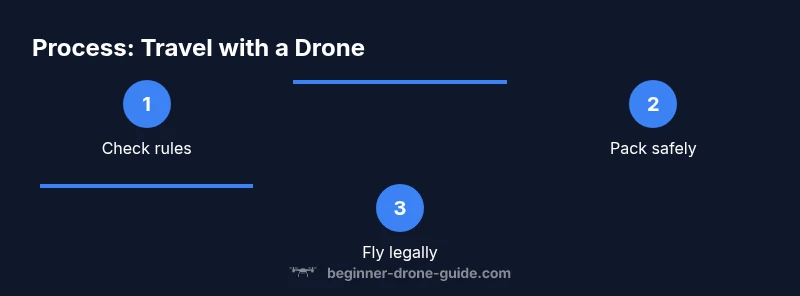
Traveling with a drone is absolutely possible in 2026, but it requires careful planning, awareness of laws, and thoughtful packing. If your goal is to explore new places, capture aerial footage, or simply enjoy flying while you’re away, think of drone travel as a mini-project with checklists and time windows. The primary question remains: can you travel with a drone? The short answer is yes, with the right preparation, the correct batteries, and adherence to airline and local regulations. In this guide we’ll cover the essential steps, from battery safety to international permit considerations, so you can fly confidently on your next trip. According to Beginner Drone Guide, proactive planning reduces delays, helps you avoid confiscations, and protects your drone from damage. By the end you’ll have a practical framework to travel smartly, stay compliant, and enjoy your flights wherever you go. This article breaks down the process into manageable steps and practical tips, designed for beginner pilots.
Regulatory Landscape: Airspace Rules from the US, Canada, and the EU
Airspace rules vary by country, and even by city or airport, making it essential to research each destination before you travel. In the US, drones under 55 pounds must be registered and operated under FAA guidelines; in Canada, Transport Canada regulates pilot competency and flight restrictions; in the European Union, EASA governs the general framework with country-specific rules. This is where careful planning matters most. Beginner Drone Guide analysis shows that most travelers underestimate permit needs, border clearance, and local permissions for filming near crowds or critical infrastructure. Always verify permit requirements, maximum altitude limits, and whether the destination requires an on-site flight plan. If you’re unsure, contact the local aviation authority well in advance and document the response. This stage of preparation can prevent costly disruptions and ensure your drone travel remains enjoyable.
Battery Rules and Safe Packing for Travel
Lithium polymer and lithium ion batteries require special handling when traveling, particularly by air. Most airlines restrict batteries to a certain watt-hour (Wh) rating and require cables, terminals, and packaging that minimizes short-circuit risk. For most consumer drones, you will need to carry spare batteries in your carry-on bag, with terminals covered and the batteries within a 100Wh to 160Wh range depending on airline policy. Do not place batteries in checked luggage. In addition to batteries, carry a sturdy case, a charger with international adapters, spare propellers, tools, and a copy of your drone’s user manual. Before you depart, map out the battery count you’ll carry and confirm each airline’s policy on lithium cells. By following these guidelines, you reduce the risk of mishandling or battery fires and make your trip steadier and safer.
How to Pack Your Drone for Check-In vs Carry-On
Packaging decisions can significantly influence both safety and compliance. Pack the drone body, controller, and propellers according to airline requirements; keep extraneous items to a minimum to avoid inspection delays. Put batteries in a dedicated, clearly labeled bag or case, with terminals protected and battery terminals taped if required. Put the drone in the central, cushioned area of your carry-on, and ensure the case passes through security without triggering alarms. Consider packing foam and stock padding to prevent impact during transport. Make digital copies of serial numbers, registration documents, and insurance, and keep them in your wallet or cloud storage for quick access. This proactive approach helps you avoid last-minute scrambles at the gate and speeds up security checks.
Airline and Airport Procedures: What to Expect
Airline policies can differ widely, making it critical to check ahead of time. Some carriers limit flight times for lithium batteries, require batteries to be carried in cabin baggage, and restrict the number of spare cells. At security, have your drone, battery documentation, and any certifications ready for inspection. The TSA and other security agencies may request additional screening or documentation; cooperate calmly and answer all questions clearly. At the gate, keep your drone accessible but protected to avoid damage or accidental powering on. If you’re traveling with more than one drone, notify the airline and plan connections accordingly. By understanding and respecting airline procedures, you minimize friction and keep your trip moving toward your flight window.
International Travel: Country Variations and Permits
International travel requires extra diligence, because battery limits, registration, and flight permissions differ widely. In some regions, commercial or recreational permits may be required, and some destinations restrict flight near heritage sites or crowded areas. Before departure, identify the exact local authority you should contact, and request written guidance. Prepare translations or notes for language barriers, and carry electronic copies of licenses, registrations, and insurance. If possible, test a quick flight in a low-risk area near home to verify the drone’s setup, control response, and battery life before you depart. This practice reduces surprises in unfamiliar airports and helps you plan for time zones, weather, and airspace changes.
Insurance, Registration, and Documentation You Need
Documentation is the unsung hero of travel readiness. Carry proof of registration, insurance policy, and a basic travel insurance plan that covers gear loss or damage. Some destinations require digital licenses stored on your phone or printed copies in your carry-on. Keep contact numbers for the drone brand, your insurer, and local authorities in your wallet or phone. Document flight logs before you travel and bring a simple one-page summary of your flight plan and emergency contacts. This documentation helps you quickly comply with local regulators, reduces risk in case of theft, and supports a smooth post-travel claim if needed. The Beginner Drone Guide Team suggests keeping everything organized and accessible for a stress-free trip.
In the Air: Safe Flying and Practical Tips During Travel
While in flight, maintain line of sight, avoid restricted zones, and respect privacy laws. Establish a pre-flight checklist, including weather checks, GPS lock, and battery status. In unfamiliar airspace, reduce altitude and maintain a safe distance from people and structures. If you must land near a road or in a park, choose a safe landing zone and avoid interfering with other aircraft. During travel, you may encounter delays or variations in power outlets; have a flexible charging plan. When possible, practice takeoffs and landings in controlled spaces before venturing into city areas. The Sense and reliability of your drone improves with practice, especially after long travel days. The Beginner Drone Guide team reminds you to stay aware of evolving rules and local guidelines.
Debunking Common Myths and a Handy Travel Checklist
Many travelers believe that drones are banned worldwide or that you can’t bring extra batteries. Reality is more nuanced: most countries permit recreational drone use with proper registration and adherence to rules. Always verify local requirements and carry all permits and insurance. Create a simple post-travel checklist: inspect the drone for damage, charge batteries, and log any incidents. For beginners, a short, practical checklist keeps you moving. Use the travel-ready list below and adjust for your destination. This section also includes a quick authoritative sources reference for further reading.
Authoritative sources
- U.S. FAA: https://www.faa.gov
- TSA Travel Tips: https://www.tsa.gov/travel/travel-tips
- European Union Aviation Safety Agency: https://www.easa.europa.eu
- Transport Canada: https://www.tc.gc.ca
Authority Sources
- FAA (US): https://www.faa.gov
- TSA (Security): https://www.tsa.gov/travel/travel-tips
- EASA (EU): https://www.easa.europa.eu
- Transport Canada (Canada): https://www.tc.gc.ca
Tools & Materials
- Drone(Fully charged before travel; bring a compact carry case)
- Batteries (spares)(Keep in carry-on; 100Wh–160Wh per battery depending on airline policy; terminals protected)
- Battery safety bag(Use for each battery to prevent shorts)
- Charger and adapters(International plug adapters if traveling abroad)
- Propeller set(Spare propellers; keep in a separate pouch)
- Documentation folder(Registration, insurance, permits, flight plan (digital and printed))
- Drone travel case(Padded, sturdy case; helps with security screening)
- Copies of serial numbers(Physical and digital copies for quick reference)
Steps
Estimated time: 60-120 minutes
- 1
Check destination regulations
Research airspace rules and permits for your destination well before you travel. See official aviation authority websites and trusted guides. This reduces last-minute surprises and helps you plan for any local restrictions.
Tip: Start with the country’s aviation authority and verify any required permits or altitude limits. - 2
Prepare batteries and power setup
Charge batteries to at least 80% and pack them in a protective bag in carry-on. Verify watt-hour limits with your airline and avoid checked baggage for batteries.
Tip: Label batteries with Wh rating and ensure battery terminals are protected. - 3
Pack the drone and accessories
Disassemble if necessary, secure propellers separately, and place the drone in the center of your carry-on or inside a rigid case. Keep the charger and cables organized.
Tip: Use padding to prevent movement and damage during transit. - 4
Document your gear
Carry digital and printed copies of registration, insurance, and any permits. Have flight plans and emergency contacts readily accessible.
Tip: Keep a single-page summary of essential documents in your wallet. - 5
Review airline and security policies
Check baggage rules for lithium batteries and drone carry-on requirements. If needed, contact the airline to confirm special handling.
Tip: Arrive early to allow extra time for screening. - 6
At security and gate
Present drone, batteries, and documentation during security screening. Keep your drone powered off until you reach the boarding area and handle it calmly.
Tip: Be prepared to open cases for inspection and answer questions clearly. - 7
Flight plan and in-flight handling
Plan your flight within local rules; respect no-fly zones and privacy laws. Keep the drone within line of sight and avoid crowds.
Tip: Practice takeoffs and landings in a controlled area before exploring new locations. - 8
Destination safety checks
Upon arrival, inspect the drone for damage, recalibrate sensors if needed, and review local regulations before first flight.
Tip: Test a short hover in a safe area before recording footage. - 9
Post-travel follow-up
Log flights, review any incidents, and store documents for potential claims or future trips.
Tip: Maintain a simple travel log for easier future planning.
Frequently Asked Questions
Can I bring drone batteries on a plane?
Yes, but batteries must meet airline limits and be carried in carry-on with terminals protected. Check the Wh ratings and follow airline rules. Do not place loose batteries in checked luggage.
Yes. Batteries go in carry-on with terminals protected; confirm Wh limits with your airline.
Do I need permits to fly a drone in another country?
Many countries require registration or permits for recreational use. Research the destination’s rules and obtain any necessary permits before travel. Seek written guidance from the local aviation authority.
Yes, most places require permits or registration; plan in advance.
Can I fly a drone in crowded tourist areas abroad?
Outdoor crowds are often restricted. Always check local laws and the area’s access rules before flying. If allowed, maintain distance from people and property.
Crowds are usually restricted; follow local rules and stay safe.
What about insurance for travel drones?
Having insurance helps cover loss or damage during travel. Carry proof of your policy and contact details for emergencies. Some destinations may require proof of insurance for operation.
Insurance helps with coverage if something goes wrong; carry proof.
Should I register my drone before travel?
Registration requirements vary by country. Check if your drone must be registered in your home country or at destination airports, and carry proof.
Registration rules vary; verify ahead of time and bring proof.
What if I can’t take batteries on the plane?
If batteries aren’t allowed, consider shipping them separately via courier to your destination after obtaining proper permissions, or wait to purchase replacements locally.
If batteries aren’t allowed, arrange safe shipping or replacements at the destination.
Watch Video
Quick Summary
- Plan regulations before travel
- Pack batteries safely and follow airline rules
- Carry documentation: registration, insurance, and permits
- Respect airspace, privacy, and local guidelines
- Keep a travel log for future trips