When is the Drone Show? A Practical Guide for Beginners
Learn when drone shows typically happen, how to find dates, and safety tips for first-time attendees. A practical guide from Beginner Drone Guide.


When is the drone show? The schedule varies by event, location, and weather, but most public drone shows occur on evenings or weekend dates near holidays, with times often listed on official event pages. Always confirm the exact date and start time on the organizer’s site or app before planning attendance.
When to expect a drone show timing
The question many readers ask is when to expect a drone show in their city: when is the drone show? Schedules vary widely, shaped by local event calendars, daylight, weather, and city regulations. In our experience at Beginner Drone Guide, most public drone displays tend to cluster around warmer months, twilight hours, and weekends to maximize visual impact. Event organizers often announce a specific start time, but the window may shift by 10–20 minutes for safety, wind, or crowd management. If you want a practical rule of thumb, plan for a mostly evening start between 7:30 PM and 9:30 PM local time, with a backup plan if sunset shifts earlier or later. Always verify the exact date and start time on the official event page, the organizer’s app, or the city tourism site. Knowing when to expect a show helps you arrange transportation, seating, and safety checklists in advance.
According to Beginner Drone Guide, keeping a flexible mindset and a prepared schedule around anticipated windows increases your chance of enjoying a show without last-minute stress. This is especially true for travelers who may be adjusting to a new city or time zone.
How to find show dates and calendars
Finding accurate drone show dates requires using multiple sources and a touch of patience. Start with the official event page or the city’s tourism portal, which usually publish a calendar of performances. Follow the event organizer on social media for last-minute updates and weather-related delays. Local drone clubs and hobbyist groups often host viewings and share private events that are open to the public. If you’re planning ahead, subscribe to alert lists or calendar feeds that include reminders about upcoming shows. Weather calendars can help you anticipate date changes due to wind or rain. Remember that some shows are one-off, while others are part of larger festivals; distinguishing between a single performance and an ongoing series helps you build a reliable watching plan.
This approach aligns with the Brand’s guidance on proactive planning and leveraging multiple channels to verify timing.
Timing nuances: daylight, time zones, and daylight saving
Show timing is sensitive to daylight and timekeeping. In practice, a show scheduled for 8:00 PM local time may begin earlier or later depending on dusk in your hemisphere. If you’re traveling across time zones for a show, verify the local start time and adjust your watch accordingly. Daylight saving transitions can push start times by an hour, affecting your arrival window and battery planning. For beginners, it’s helpful to convert event times to your own local time zone and set multiple reminders. Always check the official schedule on game day for any last-minute updates, as organizers may adjust start times to optimize wind conditions or lighting effects.
Given the variability, having a backup plan and a lightweight luggage-friendly kit helps avoid missed moments.
Weather and airspace considerations that affect scheduling
Weather is a major factor in drone shows. Wind, rain, and precipitation can cause delays or cancellation. Organizers often include backup dates or rain dates in the plan. Airspace restrictions around airports or temporary flight restrictions near events can also shift scheduling; pilots should confirm permitted flight windows on the day of the show. For a beginner, get a quick weather briefing before heading out and consider alternative viewing spots in case of a reschedule. The goal is to enjoy the spectacle while staying within local rules and keeping your own gear protected. In the end, a well-timed show balances aesthetics with safety.
Safety, permissions, and rules you should know
A show venue may require permits or adherence to crowd-control guidelines. Even as a spectator, you should respect no-fly zones, keep your drone at a safe distance from people, and avoid obstructing emergency routes. If you plan to fly your own drone during the event before or after the main show, verify the permit requirements, crew-provided airspace notices, and any age or training prerequisites. Our team at Beginner Drone Guide emphasizes following local regulations and using the event as a learning moment about responsible flying. By understanding the governance around drone shows, you reduce risk and improve the experience for everyone.
What beginners can expect when arriving at a show
For first-timers, expect a family-friendly atmosphere, with lawn seating or stepped viewing areas. Arrive early to secure a good vantage point and to avoid last-minute crowds. Bring a light jacket, a reusable water bottle, and a portable battery pack to keep your devices charged during delays. Many shows provide LED glow items or vendor booths for upgrades, but you should still be mindful of your own drone gear if you bring it along. Two key tips: observe the crowd safety rules posted by organizers and listen for announcements on weather or wind advisories. Most importantly, enjoy the spectacle and learn from how the professionals choreograph light and motion.
Viewing tips and accessibility for newcomers
Choose a location with unobstructed views and minimal vibration from crowds. For best visuals, find a clear line of sight away from trees or tall structures that could affect drones. If you’re watching from a park or open space, arrive with a plan for restrooms and shade. Some events offer viewing zones for families, veterans, or new pilots, so check if there are accessibility accommodations. If you’re livestreaming or recording, bring a tripod or stabilized device to keep video smooth. The drone show experience is about mood and timing, not just the hardware, so calibrate your expectations accordingly.
How to set reminders and plan ahead, even if you’re new
Set multiple reminders across days and the day of the event. Use calendar apps to ping you at 24 hours, 6 hours, and 1 hour before the start time, with a final alert 15 minutes prior. If you’re traveling, map your route to the venue and account for parking or transit delays. Having a backup option in case of weather changes reduces stress. Our recommended approach is to track the show as a calendar event labeled with the exact title, venue, and start time; include a note about parking or drone-access rules you should follow. This way, you’ll be ready to enjoy the drone show and share a safe, respectful viewing experience.
How different cities and seasons shape when the drone show happens
Some regions host shows year-round, while others cluster in summer or during winter holidays. The season influences daylight, wind profiles, and audience turnout, which in turn affects start times and date flexibility. If you travel across states or countries to catch a show, plan for time to acclimate to a new time zone and consider jet lag when scheduling early-evening events. By examining multiple shows, you’ll recognize patterns such as more frequent performances during school breaks and festival seasons. This section helps you build a mental map of how timing varies across contexts and makes it easier to answer the central question: when is the drone show?
Drone show timing patterns across event types
| Event Type | Typical Start Time | Venue | Notes |
|---|---|---|---|
| City festival drone show | Evening (7-9 PM) | Open-air plaza | Weather permitting |
| Private corporate show | Evening or night | Rooftop/Outdoor venue | Invitation-only access |
| Community parade display | Dusk | Streets and sidewalks | Subject to permits |
Frequently Asked Questions
How far in advance should I check show dates?
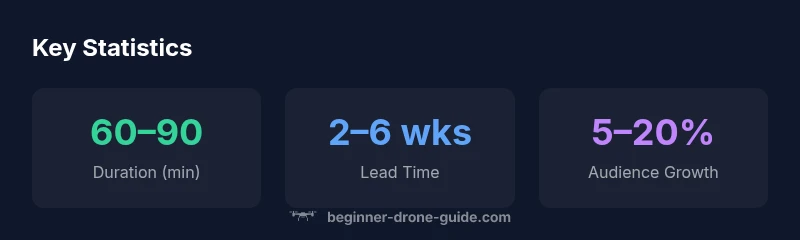
Most drone shows publish dates 2–8 weeks in advance, with larger festivals sometimes releasing schedules earlier. Always verify on the official page and set calendar reminders.
Check the organizer’s page a few weeks ahead and set reminders. Big events may release dates earlier.
Do I need a permit to attend or fly at a show?
Attending a show typically doesn’t require a personal permit, but flying a drone at the venue may be restricted. Always confirm local regulations and event-specific airspace notices.
Check local rules and the event’s airspace notices before flying.
Can I watch from anywhere, or are there designated viewing areas?
Most shows designate viewing zones to manage safety and crowd flow. Arrive early to find a good spot and follow posted guidelines.
There are usually designated spots; arrive early to secure a good view.
What if the show is canceled due to weather?
Shows often include backup dates or rain dates. If canceled, organizers typically announce reschedules via official channels.
Weather can shift plans; look for a rescheduled date in official updates.
Are drone shows suitable for beginners?
Yes, many shows offer family-friendly viewing and learning opportunities. New pilots should focus on safety rules and observance rather than flying during the event.
Great for beginners—focus on safety and rules, not flying during the show.
What safety gear should I bring?
Bring water, a light jacket, and a small flashlight for walking in dim areas. If you plan to capture video, use a tripod or stabilized device.
Pack light layers and a stabilizer for video if you’re filming.
“Drone shows are a collaboration between lighting design, choreography, and local regulations; timing is the key to the illusion.”
Quick Summary
- Check official event pages for exact dates
- Plan for evenings; many shows start after sunset
- Watch for weather delays and reschedules
- Arrive early and follow venue rules
- Set reminders to stay prepared