Is It Ok to Fly a Drone in Cold Weather? A Practical Guide
Learn how to safely fly a drone in cold weather with practical tips, battery care, planning, and legal considerations for beginners.


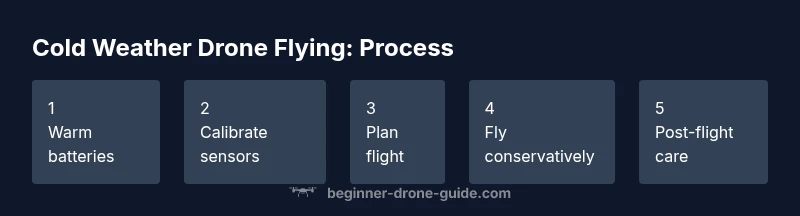
Yes — you can fly a drone in cold weather, but you must plan for reduced battery life, slower response, and potential sensor issues. Pre-warm batteries, avoid taking off on ice, monitor wind and visibility, and fly with a conservative, well-planned flight path. Check firmware and calibrate sensors in a warm space, bring extra batteries, and treat condensation as a separate risk.
Why Cold Weather Affects Drone Performance
If you're wondering is it ok to fly a drone in cold weather, the short answer is yes, with extra planning. Cold air is denser than warm air, which can change lift, maneuverability, and stability. More importantly, lithium-ion and lithium-polymer batteries behave differently when cold, producing less available energy and reducing flight time. Condensation and frost can form on sensors and the gimbal, potentially impairing camera performance. According to Beginner Drone Guide, winter flying demands a conservative mindset and a thorough preflight routine. The team stresses that understanding how cold conditions affect your drone helps you fly smarter, safer, and with confidence.
In this guide, we’ll break down the key physics and practical steps. You’ll learn how to recognize early warning signs, prepare for reduced power, and adapt your flying style to maintain control. You’ll also see how to incorporate weather awareness, battery care, and legal considerations into a simple, repeatable winter-flight routine. The goal is to empower you to make safer decisions, not to discourage your curiosity about winter skies.
Battery life and power management in winter
Battery performance is the most immediate challenge when flying in cold weather. Battery cells operate more slowly in low temperatures, which reduces both peak current and usable capacity. The result is shorter hover times and more frequent battery changes. Plan for extra batteries and keep them warm until just before takeoff. Do not rely on charging or testing batteries in freezing environments; instead, charge in a warmed space and carry warm packs to the field. A practical approach is to swap warmed packs between flights and to limit full-throttle maneuvers until the pack has reached comfortable operating temperature. If you notice rapid airspeed changes or sudden drops in altitude, treat it as a sign to land and recheck battery temperature.
Beginner Drone Guide analysis notes that cold-weather battery care is as much about handling as charging. Keep spare packs insulated and separate from cold gear; avoid exposing batteries to snow or moisture. A simple rule of thumb is to ensure the drone’s battery temperature is at least near room temperature before lift-off, and to monitor battery voltage during flight. Small changes in temperature can have outsized effects on performance, so stay conservative.
Sensor and GPS behavior in cold conditions
Cold weather influences sensor behavior and GPS reception. Moisture from breath, humidity, or dew can condense on the lens and gimbals, leading to foggy footage. Allow the drone to warm up after you bring it from a cold vehicle; run a quick sensor check and calibrate if your manual says so. GPS signals can lock more slowly in overcast skies or near tall structures, especially when the drone’s internal heater or wind can alter orientation sensors. If your drone has an IMU, a warm-up period helps stabilize the accelerometer and gyroscope readings. Keep your takeoff window short in poor light and avoid taking off in heavy wind if sensors are not fully settled. The idea is to ensure a stable baseline before commencing flight.
In practice, inspect the lens for condensation, clean it gently with a microfiber cloth if needed, and monitor for any drift during the initial hover. If you notice unexpected attitude changes, abort, land safely, and re-check sensors once temperatures rise.
Pre-flight planning for cold-weather flights
Cold weather isn't a reason to skip planning; it's a reason to plan more thoroughly. Check your forecast for wind speed, gusts, precipitation, and visibility. Daylight is shorter in winter, so allocate time for a longer preflight and initial checks in daylight. Create a flight plan that includes a conservative return path and a buffer in case of a sudden loss of GPS signal or battery drop. Bring a warmed space to set up and calibrate; update firmware if needed; verify compass calibration and IMU alignment. If you use geofencing or Return-To-Home, ensure the settings are appropriate for the planned altitude and wind conditions. Document safe alternates and a go/no-go decision point. A calm, methodical approach reduces the risk of surprises once you’re airborne.
Flight techniques to maximize safety in cold weather
During winter flights keep the drone within a comfortable envelope—lower speeds, shorter distances, and more deliberate maneuvers. Hover tests should be conducted in place to confirm stability before moving. Anticipate longer warm-up and cooling cycles; avoid hot starts. Use gentle throttle changes and maintain visual line-of-sight. If ice or frost begins to form on the propellers or body, land and inspect; do not attempt to fly through obvious ice. Avoid flying near power lines or moving water where temperature swings can cause icing or fogging. Remember that wind gusts can change rapidly in open winter terrain, so stay ready to adjust attitude and altitude.
The key is to stay conservative and communicate clearly with any observers or crew. If you lose signal, rely on your previously planned Return-To-Home path and confirm that the drone has a safe landing zone.
Maintenance and accessories for cold weather
Protective accessories help reduce risk; consider lens hoods, propeller guards, and anti-fog solutions. Keep your drone and batteries dry; use desicant packs in storage and a weather-resistant bag for field checks. Lubricate moving parts as recommended by the manufacturer, but avoid applying oil to sensors or seals. After flight, dry surfaces and inspect for cracks or ice. Replace damaged props and ensure fasteners are tight. Store batteries warm but not overheated, and rotate stock to prevent continual cold exposure. A simple winter-care routine saves you from surprise failures mid-flight.
Legal, safety, and best practices for winter flying
All winter flights should comply with local laws and manufacturer guidelines. Maintain line of sight and avoid flying over crowds; check airspace restrictions and temporary flight restrictions that may apply more frequently during holiday seasons or snow events. Review drone registration status and updates to registration requirements if you have a new device or firmware. If you call in for weather or aviation alerts, document decisions and pass them to your crew. The federal and local authorities emphasize safety and responsible use; this includes careful battery and sensor care in winter.
Quick-start cold-weather flight checklist
Before you fly: check weather, daylight, and wind. Prepare batteries and keep them warm; ensure drone power is off until ready. Set up in a warm area, calibrate sensors if required, and confirm compass orientation. At the field: inspect for ice or moisture; perform a short hover to confirm stable flight; keep Return-To-Home ready and within safe altitude. During flight: monitor battery temperature visually, keep flight at conservative speeds, and abort if conditions deteriorate. After landing: dry and inspect, log observations, and store batteries warm.
Authority sources
These sources provide official guidance on safe drone operation and weather considerations. Official guidance from government and scientific sources helps you fly responsibly in winter conditions. For authoritative, up-to-date rules and safety practices, consult the following resources:
- FAA UAS Guidelines: https://www.faa.gov/uas
- NOAA Weather Safety and Winter Conditions: https://www.noaa.gov
- NASA Weather and Aviation Resources: https://www.nasa.gov
Tools & Materials
- Drone batteries (spare)(Keep spares warm in an insulated pouch between flights)
- Charger and power bank(Use a temperature-controlled bag for portable charging)
- Warm clothing and gloves(Touchscreen-friendly gloves recommended for controls)
- Propeller guards(Optional but beneficial when training in cold, slippery conditions)
- Lens wipes and microfiber cloth(Keep lenses clear of condensation)
- Desiccant packs / weather-resistant bag(Helps keep gear dry in damp cold)
- Thermal hand warmers(Useful between flights, not during takeoff)
- Small toolkit(Screwdriver, spare screws, and threadlocker)
Steps
Estimated time: 60-90 minutes
- 1
Warm batteries and inspect gear
Place spare batteries in a warm pocket and check drone for ice, moisture, or frost on surfaces. Confirm all screws are tight and propellers are intact. A quick external inspection prevents mid-flight surprises.
Tip: Keep you and the equipment in a warm environment before handling batteries. - 2
Power up in a warm environment
Turn on the drone in a warmed space, not outdoors in freezing air. Verify firmware status and run a quick system check while the device is still warm.
Tip: Avoid long power-on delays in cold air; perform checks and move outdoors promptly. - 3
Calibrate sensors and IMU if required
If your manual calls for it, calibrate the compass and IMU after moving from a warm space to outdoors. A settled baseline reduces drift during hover.
Tip: Wait a few minutes to allow systems to stabilize after calibration. - 4
Plan a conservative flight path
Open a safe, low-risk route with a clear Return-To-Home plan. Account for reduced performance and potential GPS variability in winter conditions.
Tip: Preload an alternate landing zone in your app in case of battery or GPS changes. - 5
Perform a short hover test
Lift off to a safe altitude and hover briefly to verify stability. Check for drift or unusual vibrations before expanding the flight.
Tip: If you notice drift, land and re-check sensors or battery temperature. - 6
Execute controlled flight with caution
Proceed slowly, keeping speeds moderate and distances shorter than typical. Monitor wind, ice formation, and battery temperature throughout.
Tip: If ICE forms on any component, land immediately and inspect. - 7
Land safely and post-flight checks
Return to a warm area, power down, dry any moisture, and inspect for damage. Store batteries warm and replace any worn parts before next flight.
Tip: Log the flight conditions for future reference and improvements.
Frequently Asked Questions
Is cold weather inherently dangerous for drones?
Cold weather introduces challenges like reduced battery performance, sensor drift, and condensation. With careful planning and conservative flight techniques, winter flights can be safe. Always follow manufacturer guidelines and local regulations.
Cold weather brings battery and sensor challenges, but with planning and caution, winter flights can be safe.
How does cold affect battery life?
Batteries lose efficiency in cold conditions, reducing available power and flight time. Keep spares warm, charge in a warm space, and swap batteries between flights as needed.
Cold weather reduces battery efficiency, so plan extra batteries and warm storage.
What can I do to prevent moisture on the lens?
Keep the drone warm before takeoff and wipe the lens with a microfiber cloth if condensation forms. Allow the drone to acclimate before flying and avoid rapid temperature changes.
Keep it warm before takeoff and wipe the lens if condensation forms.
Should I adjust flight plans for winter?
Yes. Plan shorter flights, lower speeds, and more conservative routes. Ensure GPS and Return-To-Home functions are tested and reliable in cold air.
Winter planning means shorter, slower, safer flights with reliable GPS.
Are there legal considerations specific to winter flying?
Most rules apply year-round, but winter conditions can affect visibility and airspace. Check local restrictions, maintain line of sight, and respect no-fly zones.
Winter flying still follows general rules; stay in sight and check local restrictions.
What gear helps in cold weather?
Use insulated storage, lens wipes, anti-fog solutions, and weather-resistant bags. Optional accessories like propeller guards can increase safety in icy conditions.
Insulated storage, lens care, and protective gear help in cold weather.
Watch Video
Quick Summary
- Plan for cold-weather power and sensor limits
- Warm batteries and dry gear before flights
- Travel with a conservative, test-based approach
- Follow local rules and manufacturer guidelines
- The Beginner Drone Guide team recommends using a cold-weather checklist