Can You Fly a Drone in Snow? A Practical Winter Guide
Learn safe, practical steps for flying a drone in snow, including weather checks, battery care, flight planning, and post-flight tips tailored for winter conditions.


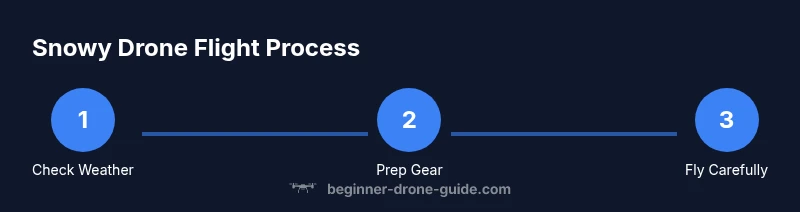
According to Beginner Drone Guide, you can fly a drone in light snowfall with careful planning. Before takeoff, check weather (snow rate, visibility, wind), confirm GPS lock, and test battery performance in the cold. Fly at lower altitude, keep the drone in line of sight, and land at the first sign of degraded performance. Always follow manufacturer guidance and local regulations.
can you fly drone when snowing
In cold, snowy weather, the short answer is: you can, but with tighter safety controls and a solid plan. Snow adds moisture, reduces visibility, and can affect battery performance and sensor accuracy. The Beginner Drone Guide team emphasizes that this is not a free-for-all scenario; it requires strict preflight checks, conservative flight profiles, and a readiness to abort if conditions worsen. By framing the activity around safety margins and manufacturer guidelines, pilots can minimize risk while still capturing useful winter footage. This article will walk you through the key considerations, practical steps, and postflight care to help you fly responsibly when snow begins to fall.
As winter conditions become part of your flying routine, remember that can you fly drone when snowing depends on the rate of snowfall, temperature, wind, and your equipment. If snow is light and wind is calm, you may proceed with caution; if visibility drops or snow becomes heavy, postpone your flight. The goals are simple: stay safe, protect your gear, and preserve data integrity. Throughout this guide, we’ll reference data from relevant authorities and the brand guidance from Beginner Drone Guide to support your decisions.
Weather and Environment: Snow Impact on Drones
Snowfall introduces several environmental challenges for drones. Wet or freezing moisture can affect motors, sensors, and gimbals; cold temperatures reduce battery efficiency, shortening flight times and increasing voltage sag. Reduced visibility makes orientation and obstacle avoidance harder, and drifting snow can obscure landing zones. Snow can also accumulate on exposed surfaces, altering center of gravity and potentially increasing motor strain. The best practice is to evaluate whether the snow is light and intermittent rather than a steady downpour, and to plan a flight that minimizes exposure to direct precipitation.
From a safety standpoint, always monitor wind gusts, as trees and open fields can funnel sudden changes in air movement. If you’re flying near people, roads, or structures, keep extra distance and maintain a clear line of sight. As a general rule, avoid flying in freezing rain, sleet, or storms, and be prepared to land immediately if flight performance becomes unstable.
Brand guidance from Beginner Drone Guide underscores the value of conservative risk management in winter conditions. Weather apps, local reports, and your drone’s own telemetry should guide every decision, and you should be prepared to abort if conditions deteriorate.
Preflight Preparations in Winter
Winter preflight checks should be more meticulous than everyday flights. Start with firmware and map data updates, then verify GPS/GLONASS lock in a sheltered area away from tall metal structures that could interfere with signals. Inspect propellers and motors for ice or frost; tiny ice crystals can erode efficiency and cause imbalance. Dry the airframe thoroughly, and optionally wipe with a microfiber cloth to remove moisture. Calibrate compass and IMU after warming the battery to operating temperature, and consider enabling a conservative return-to-home altitude in case of visibility issues. Battery health is critical in cold weather, so inspect each cell voltage and ensure warm storage prior to flight. If you use external props or guards, confirm secure attachment before power-on.
Having properly prepared gear reduces the risk of in-flight surprises and helps you meet winter flying standards set forth by aviation authorities. Always keep your flight plan and emergency procedures ready before you move to open air.
Flight Planning and Safety Margins
With snow on the ground, meticulous flight planning becomes essential. Define a small, repeatable mission area with known obstacles and a clearly marked takeoff/landing zone. Set a conservative maximum altitude and rely on visual line-of-sight as required by most local rules. Predefine a safe landing zone and ensure you can reach it quickly if conditions change. Map your route to avoid power lines, moving vehicles, and crowds, and build in buffer time for slower drone response in cold weather. Check the drone’s return-to-home function in case of GPS signal issues and consider enabling wind warnings if your model provides them. Finally, log weather conditions, battery temperatures, and time of flight for postflight review.
According to the guidance from Beginner Drone Guide, winter flights benefit from shorter, simpler missions that reduce exposure to weather risk. Always verify local regulations prior to departure and be mindful of any seasonal restrictions that may apply to your area.
Flight Techniques for Snowy Conditions
Snowy conditions require smooth, deliberate control rather than aggressive maneuvers. Use gentle throttle changes and avoid rapid pitch/yaw inputs that could destabilize the craft on moisture-laden air. Maintain a shallow hover in the calmest limb of the sky to minimize drift, and employ slow, controlled movements when advancing toward a target. If visibility becomes questionable, pause and reassess rather than pushing ahead. Keep a tighter safety perimeter around the takeoff area, and practice precise landings on flat, snow-free surfaces to avoid tipping vents or controllers.
A practical tip is to warm your batteries and the drone’s electronics slightly before flight; cold batteries drain faster and can cause unexpected voltage drops. If you notice sudden wind gusts or performance changes, abort the mission and perform a postflight inspection before attempting another flight.
Battery, Sensors, and Ice Management
Winter weather can be punishing on LiPo batteries. Cold reduces chemical reaction rates, lowering capacity and reducing flight times. Store batteries in a warm, insulated pouch and pre-warm them near your body before connecting to the drone. Do not charge batteries in extreme cold; instead, return to a warm environment to charge. Moisture on sensors and gimbals can degrade image stability, so dry the camera and sensor housings and ensure the lens is clear before takeoff. If you notice sensor drift during flight, perform a quick calibration on a stable surface or land and recalibrate on the ground. Snow accumulation on the drone’s frame can also create imbalance, so monitor for unusual vibrations and adjust as needed.
Remember to verify battery temperatures in telemetry before lifting off and to land immediately if battery health shows unusual depletion.
Care After Snow Flight
Postflight care is critical to extending the life of winter-ready drones. Power down safely and remove the battery unless you are in a heated shelter. Wipe down surfaces with a dry microfiber cloth to remove moisture, paying close attention to joints and ports. Inspect motors, propellers, and gimbal for signs of ice, moisture ingress, or corrosion. Dry thoroughly and store in a dry, warm place; never leave the drone in a cold car or unheated trunk for extended periods. Review flight data and battery performance to identify any anomalies that may indicate lingering moisture or cold-related stress. If you suspect condensation inside the electronics, allow a desiccant-based drying period before subsequent flights.
Long-term maintenance in winter should include more frequent checks on seals, connectors, and cable runs to minimize moisture ingress.
Regulatory and Insurance Considerations
Winter drone flights are still subject to the same regulatory framework as other conditions. Verify local airspace rules, altitude limits, and any weather-related advisories that could affect flight operations. Many jurisdictions require you to maintain line-of-sight, register your drone, and carry appropriate liability insurance. If snow or winter weather triggers temporary restrictions, comply immediately and adjust plans. For official guidance, refer to authorities like the FAA and your local aviation agency. Beginner Drone Guide’s analysis emphasizes documenting flight conditions and maintaining logs, which can support insurance claims and compliance reviews when operating in challenging weather.
Always check the latest rules before you fly in snow or winter weather and be prepared to adjust or cancel plans if conditions worsen.
Quick Troubleshooting and What to Do If Things Go Wrong
If you encounter unexpected motor vibration, wind drift, or GPS instability, pause immediately, land safely, and inspect for ice buildup or moisture intrusion. Check propellers for cracks or chips; ice can hide small defects that impact performance. If compass drift occurs after landing, re-seat the drone and perform a fresh calibration in a clearly defined area. Should unexpected weather or software issues arise mid-flight, have an exit strategy ready and practice the abort procedure regularly. After a snowy flight, perform a thorough postflight check to catch issues that could lead to unsafe operations next time.
Tools & Materials
- Drone with cold-weather readiness(Firmware up-to-date; sensors clean; weather-rated components.)
- Controller and mobile device(Charged batteries; weather-resistant screen or case if available.)
- Spare batteries(At least one extra; pre-warmed for cold conditions.)
- Insulated battery pouch or warmer(Keeps cells within optimal operating range before flight.)
- Microfiber cloth(Dry surfaces; remove moisture from camera lens and gimbal.)
- Propeller guards (optional)(Provides protection during takeoff/landing on uneven snow.)
- Wind meter/phone app with wind readout (optional)(Helps assess gust risk in open areas.)
- Dry storage bag or desiccants(Keeps gear dry during transit between locations.)
Steps
Estimated time: 60-90 minutes
- 1
Check weather and area
Review the forecast for snow rate, visibility, and wind. Inspect the flight area for ice, slush, and obstacles. Decide whether conditions meet your safety threshold before proceeding.
Tip: If in doubt, postpone and monitor conditions for a window of improvement. - 2
Inspect gear and prepare batteries
Wipe all surfaces dry, inspect propellers and motors for ice, and ensure spare batteries are warm. Calibrate compass/IMU on a stable surface after preheating the battery.
Tip: Keep a backup battery warm in your pocket to maintain voltage when starting. - 3
Plan your flight path
Open a simple route with a clear takeoff/landing zone, avoid crowds, and set a conservative altitude and return-to-home point. Confirm GPS lock and set geofence if supported.
Tip: Choose a shorter mission with built-in abort points in case of drift. - 4
Run a hover test
Power up and hover at a low altitude to verify stability. Observe for drift or unexpected movement caused by wind or ice on the frame.
Tip: If any instability appears, land and recheck firmware, GPS, and battery temps. - 5
Execute the slow, controlled flight
Proceed with careful throttle and yaw control. Keep the drone within line of sight and avoid rapid maneuvers that could destabilize it in the cold air.
Tip: Limit exposure to snow accumulation by completing the mission promptly. - 6
Land and power down safely
Land on a dry, flat area; power off the drone gently to prevent moisture intrusion. Dry the airframe again after landing and store in a dry space.
Tip: Inspect for any ice or moisture after landing for quick remediation. - 7
Postflight checks and storage
Review flight telemetry, check battery health, and dry all components. Store batteries at safe temperatures and maintain a moderate charge level for long-term storage.
Tip: Document weather and performance for future reference. - 8
Review and adjust for next flight
Analyze data from this flight to identify weather thresholds and personal risk tolerance. Update your winter flight plan to improve safety margins.
Tip: Use the experience to refine a winter-specific checklist.
Frequently Asked Questions
Is it safe to fly a drone when it starts snowing?
Snow adds moisture and visibility challenges that increase risk. If conditions are light and testing shows stable performance, a careful flight may be possible, but be ready to abort if visibility or battery performance deteriorates.
Snow can be risky; fly only if conditions are light and stable, and abort if visibility or battery performance drops.
What weather conditions are ideal for snow flights?
Calm winds, light snowfall, and good visibility are the safest combination. Avoid freezing rain, sleet, or heavy snow that impairs sensors and ground references.
Ideal conditions mean light snow, calm winds, and clear visibility; avoid heavy snow or freezing precipitation.
How does cold affect drone batteries?
Cold temperatures reduce battery capacity and efficiency, shortening flight time. Warm batteries before flight and monitor voltage during operation.
Cold weather reduces battery life; warm them up before you fly and watch the voltage closely.
Should I use prop guards in snow?
Prop guards can help during takeoff and landing on uneven, slippery snow, but they may add drag and slightly affect performance. Use them if you prioritize protection during winter landings.
Prop guards offer protection on snow landings but may add drag; use if you value safety over minor performance loss.
What postflight checks are essential after a snowy flight?
Dry the drone thoroughly, inspect for ice or moisture, check battery health, and log weather and performance data for future reference.
Dry and inspect the drone, check battery health, and log the weather and performance data.
Are there regulatory considerations specific to winter flights?
Winter flights follow the same regulatory rules as other flights. Some areas may impose weather-related restrictions; always verify local airspace rules and any seasonal advisories.
Winter flights follow normal rules; check local airspace rules and seasonal advisories before you fly.
Watch Video
Quick Summary
- Plan ahead with winter-specific checks.
- Keep batteries warm and monitor telemetry constantly.
- Fly conservatively and be prepared to abort.
- Dry and inspect gear after each snowy flight.
- Follow local rules and maintain situational awareness.