Drone and Laser Show: A Practical, Analytical Comparison
An analytical comparison of drone light shows and laser shows, covering setup, safety, costs, and audience impact to help event planners choose the best option for their venue and goals.


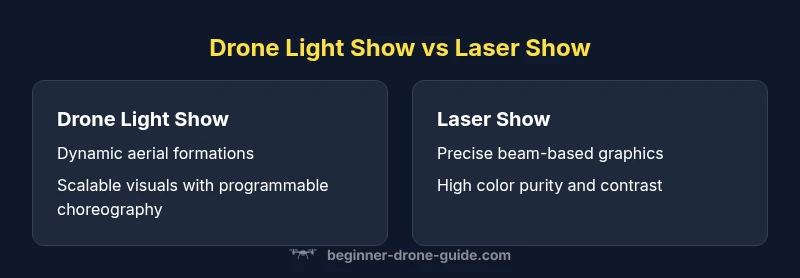
Drone and laser shows offer dramatic, synchronized visuals, but they differ in scale, logistics, and safety requirements. A drone light show excels with dynamic aerial choreography and large-scale flexibility, while a laser show delivers precise beam effects and high color purity. For many events, a blended approach—leveraging both elements—provides the strongest impact within safety and regulatory constraints.
What is a drone and laser show?
A drone and laser show combines two distinct technologies to create a spectacle that can be larger than life. Drone light shows use fleets of unmanned aircraft equipped with LEDs or pixel-controlled payloads to form three-dimensional shapes, letters, and scenes in the sky. Laser shows rely on high-intensity beams projected from ground-based systems to carve shapes and text into darkness. When used together, they offer a hybrid experience: drones deliver dynamic, changing formations while laser beams add sharp, color-pure accents. This synergy is increasingly popular for concerts, sports events, and large public gatherings because it can scale visually while maintaining precise cues for storytelling. According to Beginner Drone Guide, the drone and laser show landscape is evolving toward safer, more synchronized performances that prioritize audience engagement and regulatory compliance. The best productions plan around the strengths of each technology and structure the show to minimize risk while maximizing wow moments.
Core technologies behind drone light shows
Drone light shows rely on coordinated fleets, advanced flight controllers, and centralized software that synchronizes every craft to a shared timeline. Each drone carries LEDs or a configurable payload capable of displaying millions of color combinations. Ground control software handles pre-programmed flight paths, timing cues, and safety triggers. Communication between drones and the control system is robust, with fail-safes that pause flights if a drone deviates from its path. For laser components, the system centers on high-powered scanners that can render precise three-dimensional beam graphics. Lasers require careful alignment, safety interlocks, and strict visibility controls to prevent glare or accidental exposure to eyes. Together, the two technologies can deliver synchronized aerial and ground-based effects that tell a cohesive story while hitting different sensory channels. Beginner Drone Guide notes that early adopters should invest in rehearsals and safety checks to ensure sequence timing remains rock-solid under real-world conditions.
How laser shows work and their limits
Laser shows project coherent light through scanners and modulators that sweep across the sky to form lines, shapes, and text. The color range comes from different laser wavelengths, which can yield intense, saturated beams that resemble neon art when executed with precision. Limitations include weather sensitivity (wind and precipitation can distort beams), safety regulations (eye protection and restricted airspace), and the need for a controlled viewing environment to avoid misdirection or glare. Laser projections also require careful energy management to balance beam brightness with viewer comfort. For venues with tight timelines, laser cues can be delivered quickly and predictably, but they lack the dynamic three-dimensional depth that drones can introduce. Planning a show with lasers often means factoring in permits, licensed operators, and a dedicated safety plan.
Cost and budgeting: value propositions
Cost considerations for a drone and laser show depend on scale, duration, hardware, and crew. Drones add costs related to fleet size, battery life, maintenance, and skilled pilots who can choreograph the sequence. Laser shows incur expenses tied to laser systems, safety controls, and licensed operators. The most significant driver is show length and the complexity of the visual narrative. In practice, producers weigh the value of aerial dynamism against the crisp, high-contrast beams that lasers deliver. A blended approach can optimize cost: use drones for grand formations and lasers for key punch moments or captions. From a budgeting perspective, the choice often centers on the desired level of interactivity, the size of the audience, and the geographic constraints of the venue. Beginner Drone Guide’s analysis highlights that planning around these variables improves safety and return on investment.
Setup, licensing, and regulatory considerations
Planning a drone or laser show requires navigating regulatory landscapes and obtaining necessary clearances. Drone operations often mandate airspace approvals, pilot certifications, and adherence to local aviation rules, especially for large crowds or urban venues. Lasers require laser safety permits, beam path assessments, and crowd-safety planning to prevent accidental exposure. Both show types demand risk assessments, insurance, and a professionally designed contingency plan for weather and equipment failure. The most successful productions begin with a compliance check list: confirm airspace status, verify operator credentials, and coordinate with venue management. Proactive communication with local authorities reduces last-minute delays and clarifies responsibilities among organizers, performers, and technicians. The Beginner Drone Guide team emphasizes that early regulatory due diligence pays dividends in smoother execution and safer crowds.
Safety and risk profiles: comparing exposure and incidents
Safety considerations for drone shows focus on aviation risk, mid-air collisions, and hardware malfunctions. Risk mitigation includes geofencing, redundant flight controllers, and pre-flight checks that catch potential issues well before doors open. Laser safety concentrates on eye protection, safe beam angles, and controlled viewing zones to prevent accidental exposure. While lasers do not carry moving aircraft risk, their high-intensity beams pose hazards if misdirected. A combined show demands rigorous safety planning to ensure that drone flight paths do not intersect restricted zones while laser beams remain visible only in designated viewing areas. Comprehensive rehearsals, operator certifications, and clear emergency protocols are essential for reducing incident likelihood. The goal is to maximize spectacle while keeping audiences and staff out of harm’s way.
Environmental impact and sustainability factors
Both drone and laser shows have environmental footprints that organizers should address. Drones require battery efficiency and charging infrastructure, which can be managed with on-site power planning and charging hubs. Lasers draw energy from the venue’s electrical system and may produce heat or noise from associated equipment. When deciding between show types, planners consider the location’s environmental constraints, such as wind patterns, temperature, and daylight conditions. A well-designed production minimizes energy waste, optimizes flight and beam timing to avoid excessive lighting, and selects equipment with good efficiency ratings. The goal is to deliver maximum impact with responsible consumption and clear communication about any potential environmental trade-offs to sponsors and attendees.
Case studies: small vs. large productions
Real-world productions vary widely in scope. A small-town festival might use a compact drone fleet for aerial silhouettes and a handful of laser beams inserted at dramatic moments. A large stadium show can combine dozens of drones to create immersive three-dimensional formations with laser beams delivering precise text and logos. In both cases, rehearsal time, crew coordination, and safety checks determine success. Lessons from these scenarios emphasize the importance of a detailed shot list, a clear narrative arc, and flexible contingency plans for weather that could disrupt either fleet. While not every event needs the full scale of a stadium show, understanding the range helps planners map a suitable path from concept to curtain call.
Decision framework: when to choose which show or a blend
A decision framework helps planners decide whether to lean on drones, lasers, or a blend. Start with the venue size, audience sightlines, and the desired storytelling pace. If the story benefits from aerial depth and dynamic motion, drones are likely the stronger choice; if precision typography and high-contrast beams are central, lasers may take the spotlight. In many cases, a blended approach delivers the most impactful result: drones handle motion and scale, while lasers punctuate critical moments with crisp, standout visuals. A careful timeline that sequences drone reveals with laser cues typically yields the best audience experience and brand alignment for sponsors.
Practical planning checklist: a 12-step starter guide
- Define the show’s narrative arc and target duration. 2) Confirm venue constraints, egress routes, and sightlines. 3) Assess fire and safety requirements, including crowd control. 4) Determine whether a drone-only, laser-only, or blended approach fits your goals. 5) Secure licensed operators and certified technicians. 6) Develop a rehearsal and test plan across all weather scenarios. 7) Create an emergency response plan with clear shutdown procedures. 8) Obtain necessary permits and insurance coverage. 9) Prepare an on-site power and charging strategy. 10) Establish a robust communication protocol among teams. 11) Plan post-show debriefs for continuous improvement. 12) Document learnings for future events.
Comparison
| Feature | Drone light show | Laser show |
|---|---|---|
| Visual impact | Dynamic aerial formations with depth | Sharp beam-based graphics and text |
| Setup complexity | High: fleet coordination, safety checks | Medium: beam alignment, safety zoning |
| Weather sensitivity | Wind and precipitation affect flight paths | Generally weather-dependent (clear conditions preferred) |
| Regulatory hurdles | Airspace approvals, pilot licensing | Laser safety permits and venue clearances |
| Audience reach | Large-scale outdoor venues, immersive storytelling | Indoor or outdoor with focused beam reach |
| Cost drivers | Fleet size, software, training, and insurance | System setup, safety controls, and operators |
| Best for | Experiential, narrative-driven shows | High-precision typography and branding |
Benefits
- High creative flexibility and large-scale impact
- Dynamic choreographies and audience engagement
- Quicker scene changes with digital control
- Brand storytelling opportunities with live interactivity
Weaknesses
- Regulatory complexity and flight safety requirements
- Weather and wind constraints can disrupt shows
- Higher upfront and operational costs for large productions
- Complex coordination with multiple vendors
Blended drone and laser shows often deliver the best balance of spectacle and safety
When venue size and safety allowances permit, combining drones for motion with lasers for precision yields the strongest audience impact. If choosing a single technology, pick based on narrative goals: aerial depth favors drones; crisp typography and color purity favor lasers. The Beginner Drone Guide team recommends planning with a blended strategy whenever feasible.
Frequently Asked Questions
What is the main difference between a drone light show and a laser show?
A drone light show uses coordinated aircraft to form dynamic aerial shapes, while a laser show relies on ground-based beams to create precise line graphics. Drones offer depth and motion; lasers provide strong, high-contrast silhouettes and typography. A blended approach can combine both strengths for richer storytelling.
Drones move in the sky to make shapes; lasers paint with beams on stage or sky. Many events blend both for a bigger, clearer story.
Are drone shows safer than laser shows?
Safety depends on implementation. Drones involve flight risk, radar, and aviation oversight, while lasers pose eye and beam-path hazards. Proper licensing, trained operators, controlled viewing zones, and rehearsals significantly reduce risk for both approaches.
Safety hinges on how well the show is planned and licensed for both drones and lasers.
Can a single production use both drones and lasers?
Yes. A blended show can optimize visual variety by using drones for changing formations and lasers for sharp accents or branding. Coordination between teams is crucial to avoid timing conflicts and ensure a cohesive narrative.
Yes—combining both can create a more compelling event when well coordinated.
What regulatory steps should I expect for a drone show?
Expect airspace approvals, pilot certifications, and possibly temporary flight restrictions, depending on location and audience size. Work with licensed operators and the venue to secure necessary permits and insurance early in planning.
Airspace approvals and licensed pilots are usually required for drone shows.
What are common weather-related challenges?
Wind, rain, and glare can disrupt drone flight paths and laser visibility. Build flexible timing, plan backups, and have contingency content ready for indoor or reduced-scope segments in adverse conditions.
Weather can disrupt both drones and lasers; always have a backup plan.
Quick Summary
- Assess venue size and sightlines before choosing
- Prioritize safety, licensing, and insurance early
- Consider a blended drone-laser approach for maximum impact
- Allocate ample rehearsal and contingency time
- Plan for weather and environmental constraints