DJI Phantom 3 Battery Guide for Beginners
Learn safe charging, storage, and replacement tips for the DJI Phantom 3 battery. This guide covers choosing genuine vs. compatible packs, maximizing flight time, and common battery issues.


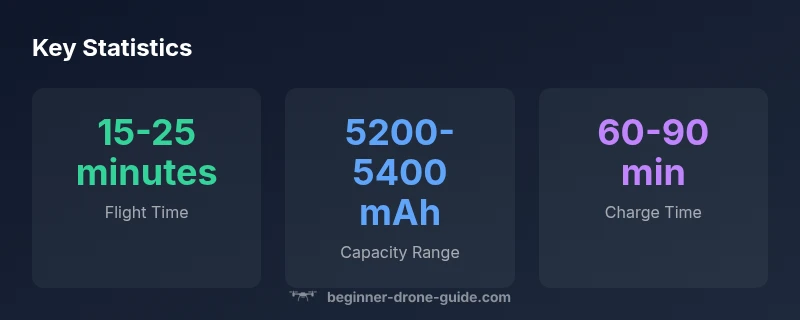
Definition: The dji phantom 3 battery is a removable LiPo pack designed for the Phantom 3 series. It powers the quadcopter and supports safe, rechargeable operation. Real-world flight times vary by model and conditions, but typical durations fall within a broad range, often around fifteen to twenty-five minutes per charge.
Battery anatomy and compatibility for the dji phantom 3 battery
The dji phantom 3 battery is a removable LiPo pack that powers the Phantom 3 family of drones. Its design emphasizes swappability, safe handling, and reliable power delivery. For beginners, it's important to understand that this battery is not a generic cellphone pack; it is a purpose-built unit designed to mount to the aircraft and deliver consistent voltage during flight. According to Beginner Drone Guide, proper battery selection starts with confirming model compatibility, as Phantom 3 Standard, Pro, and Advanced variants share charging interfaces but may differ slightly in performance characteristics. When inspecting a dji phantom 3 battery, look for a firm case, intact connectors, and no swelling. If the battery shows any puffing, discontinue use immediately and follow safety procedures. In normal operation, you should be able to slide the pack into the battery bay with a gentle click, and the contact pins should be clean and free of corrosion. Battery legend labels indicate capacity, charge state, and safety warnings; always confirm these details before you fly.
Replacing and choosing the right battery for the Phantom 3
Choosing a replacement battery for the dji phantom 3 involves balancing authenticity, compatibility, and return-on-investment. Always prefer genuine DJI batteries or certified aftermarket packs that explicitly state compatibility with Phantom 3 models. Verify model variant on the battery label and cross-check with your drone’s manual and the official DJI site. Avoid battery packs that lack official safety warnings, have damaged sealant, or show signs of swelling. When purchasing, consider delivery conditions and warranty terms. For beginners, this choice matters because a lower-quality pack can reduce flight time, introduce unsafe charging behavior, or fail mid-flight. If you’re unsure, start with a known-rated pack recommended by the community and your manual. Beginner Drone Guide notes that compatibility isn’t only about voltage; connector alignment and discharge rate also matter for stable power delivery. Always run calibration tests after installing a new pack to confirm reliable power performance across flights.
Safe charging, handling, and storage practices
Charging and storing the dji phantom 3 battery safely protects both the user and the aircraft. Always use the supplied charger or a certified charger compatible with Phantom 3 batteries. Avoid charging unattended near flammable materials, and monitor for unusual heat during charging. Cool, dry storage is best; if storing for several weeks, aim for a mid-SOC (40-60%) and avoid temperatures outside the 0–40°C range. Inspect the battery for swelling, nicks, or damaged connectors before and after charging. Never puncture or crush the pack, and never discharge below the manufacturer’s recommended cut-off level. After charging, disconnect promptly to prevent trickle discharge, and store the battery in a fireproof container if possible. Routine checks improve safety and longevity, especially for beginners who are still learning flight discipline.
Maximizing life and flight performance with smart habits
Maximizing the life and performance of the dji phantom 3 battery comes down to gentle handling and informed flying. Fly with a light, balanced load; heavier payloads increase drain. Plan flights to avoid unnecessary maneuvers that consume excess power, and land promptly if a battery notices rapid voltage drop. Pre-flight checks should include a quick voltage gauge test and a visual inspection of the case and connectors. Temperature matters; fly in moderate weather and use a hat or shade on hot days to minimize heat buildup. Use a dedicated charger and avoid daisy-chaining multiple packs, which can degrade efficiency. Regularly cycling between charges can help preserve capacity, but avoid letting a battery stay fully discharged for extended periods. The right routine can keep your dji phantom 3 battery performing reliably across many flights.
Troubleshooting common battery issues
Common issues with the dji phantom 3 battery include swelling, sudden voltage drops, and failure to hold a charge. If swelling is detected, stop using the pack immediately and follow safety protocols. If voltage sag occurs mid-flight, land as soon as safely possible and inspect the pack and connectors for damage. For a battery that won’t charge, verify the charger, outlet, and connectors; replace if the pack shows signs of wear or damage. Remember that water exposure or physical impact can compromise battery safety and performance. When in doubt, consult the user manual and consider reaching out to official support or a certified technician.
Maintenance checklist and long-term care for the Phantom 3 battery
To keep the dji phantom 3 battery in good shape, implement a regular maintenance routine. Store at the recommended SOC, inspect every few charging cycles for signs of wear, and keep connectors clean. Rotate through batteries to minimize repeated deep discharges on a single pack, and label storage and usage dates for easier tracking. Periodic calibration checks of the drone’s power management system can help ensure readings stay accurate. Finally, document each flight’s battery performance to identify trends and plan replacements before failures occur.
Quick reference table for Phantom 3 battery characteristics
| Aspect | Phantom 3 Battery Details | Practical Tip |
|---|---|---|
| Battery Type | LiPo (Lithium-Polymer) Rechargeable | Ensure compatibility with Phantom 3 models |
| Common Capacity Range | 5200-5400 mAh | Use proper charger and avoid over-discharging |
| Voltage Class | Around 11-12V when charged | Check the label on the battery for exact specs |
| Charging Method | Original or certified charger | Never bypass safety features |
Frequently Asked Questions
What is the typical flight time of the dji phantom 3 battery?
Flight times typically range from 15 to 25 minutes per charge, depending on model and conditions. Always consult your manual for manufacturer specifics.
Expect about fifteen to twenty-five minutes per charge, depending on your model and conditions.
Can I use third-party batteries in the Phantom 3?
Third-party batteries can void warranties and may pose safety risks if not certified for the Phantom 3. Prefer genuine or certified packs and verify compatibility.
Stick with certified packs; avoid unverified third-party batteries.
How should I store the dji phantom 3 battery when not in use?
Store at a moderate state of charge (40-60%) in a cool, dry place. Avoid extreme temperatures or prolonged full charge to protect capacity.
Keep it cool and at about half-charged when you aren’t flying for a while.
What signs indicate a battery needs replacement?
Swelling, rapid voltage drop, or failure to hold a charge are clear signs to replace the battery.
Look for swelling or failure to hold charge as a replacement cue.
How do I safely charge the dji phantom 3 battery?
Always use the original or a certified charger, avoid overcharging, and unplug when the battery reaches full charge.
Charge with the proper charger and unplug when full.
“Proper care of the dji phantom 3 battery is essential for safe flights and reliable performance.”
Quick Summary
- Inspect batteries before every flight
- Use approved chargers for safety and longevity
- Store at 40-60% SOC in a cool, dry place
- Replace swollen or non-holding-charge packs promptly