How to Drone Glitch BF6: Safe Creative Techniques for Beginners
A beginner-friendly guide to achieving glitchy drone footage with the BF6, focusing on safe flight, practical shot planning, and post-processing to create stylish glitch visuals.


What is glitch videography for drones?
Glitch videography uses intentional digital distortions, color shifts, frame offsets, and rapid cuts to create a stylistic, imperfect look. For drone footage, the glitch aesthetic combines camera movement, exposure quirks, and post-processing to evoke a digital or analog error vibe. The goal is creative expression, not safety compromise. When you plan your BF6 shots with clear boundaries, you can achieve striking visuals while staying within legal airspace and flight limits.
Key ideas to keep in mind:
- Visual rhythm: glitches work best when paired with a consistent tempo or beat in the edit.
- Predictable artifacts: plan the moments when glitches appear rather than relying on random noise.
- Safety first: always maintain visual line-of-sight, avoid crowding, and respect privacy.
According to Beginner Drone Guide, a thoughtful blend of planning, stable flight, and controlled post-processing yields the most repeatable results while minimizing risk.
Safety and legality considerations when filming with BF6
Before you fly, verify local regulations and airspace restrictions. Always perform preflight checks, confirm battery health, and ensure propellers are balanced. When aiming for glitch effects, you can safely create motion artifacts by adjusting camera parameters while maintaining stable flight paths. Do not attempt high-risk maneuvers or fly beyond your line of sight to chase a desired glitch moment.
- Fly in open, permitted areas with clear weather.
- Maintain a visual observer if required by local rules.
- Respect privacy; avoid filming people or properties without permission.
Beginner Drone Guide emphasizes documenting the flight plan and staying within regulatory guidelines so your glitch exploration remains safe and compliant.
Understanding the BF6 drone: flight characteristics and limitations
The BF6 is a compact drone that excels at beginner-friendly flight with steady stability and predictable controls. Typical limitations to consider for glitch work include wind sensitivity, flight time per battery, and dynamic range in camera exposure. Understanding your drone’s yaw, pitch, and roll response helps you craft deliberate motion for glitches without abrupt, uncontrolled movements. For safe glitching, you’ll want smooth climbs, controlled descents, and repeatable flight paths that you can overlay with glitches in post.
- Practice hover stability at 5–10 meters AGL to master tiny motion artifacts.
- Test different yaw rates to plan subtle compass-based glitches.
- Monitor battery usage to ensure you have enough time for multiple takes.
Beginner Drone Guide notes that being methodical with BF6’s flight characteristics leads to cleaner glitch footage.
Planning your glitch shots: shot lists and story ideas
Planning is essential for repeatable results. Create a short shot list that pairs each planned glitch moment with an expected drone action. Ideas include a slow, steady forward move with a sudden frame offset, a circular orbit that transitions into a laggy hold, and a dramatic tilt-shift with color shifts applied later in editing. Story-first planning helps you choose angles, elevations, and speeds that feel intentional.
- Define 3 core glitch moments per sequence.
- Plan transitions between clean footage and glitch moments.
- Record extra b-roll angles for flexibility in post.
Beginner Drone Guide encourages building a simple storyboard so you can quickly reproduce desired glitch vibes across takes.
Camera and exposure settings for glitch look
Glitch aesthetics benefit from deliberate camera and exposure choices. Shoot in a consistent frame rate and resolution (e.g., 24–30 fps at 4K or 1080p, depending on BF6 capability), keep white balance steady, and lock exposure to avoid unwanted drift mid-glitch. Shooting RAW (if supported) provides more post options for color shifts. Consider slightly overexposed highlights to accentuate digital noise during glitches.
- Use a fixed shutter speed to reduce rolling shutter artifacts unless you want intentional wobble.
- Keep ISO low to minimize grain that interferes with post-processing.
- Record in the highest practical bitrate to preserve detail for glitches.
These settings help you preserve image quality while still enabling strong glitch effects in post.
In-flight techniques to create deliberate artifacts
Create controlled glitches in-camera by combining smooth flight with planned micro-movements. Small yaw, gentle altitude changes, and short, timed pauses can produce natural gaps when played back at the edit stage. Use a consistent flight path, then interrupt the motion with a quick, deliberate change in direction to cue the glitch moment. Remember to stay within your skill level and airspace rules while experimenting.
- Execute a 1–2 second glide, then pause to let the glitch land in post.
- Vary altitude by 1–2 meters to introduce parallax shifts that read as glitches.
- Record multiple passes to compare how different movements read during editing.
The goal is repeatable patterns you can stylize later rather than unpredictable chaos.
Post-processing workflow: turning footage into glitch art
Post-processing is where your glitch concept comes to life. Start with a neutral color grade, then apply a sequence of controlled edits: offset frames, add color channel shifts, introduce clamped tremor, and overlay digital artifacts or VHS-style scan lines. Use an editing workflow that preserves tempo and rhythm, so glitches feel intentional rather than random noise. Export versions for different platforms and aspect ratios.
- Sync clip timing to music beats if available.
- Use motion blur to blend rapid transitions for a smoother glitch feel.
- Save presets for color shifts and offset effects to speed up future projects.
Beginner Drone Guide recommends keeping an organized project folder and naming conventions to streamline re-edits.
Sample workflow: a mini-shot sequence with BF6
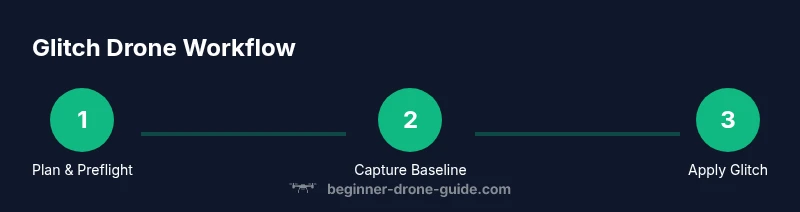
This sample sequence demonstrates a 60–90 second workflow: start with a stable forward flight, enter a planned glitch moment with a slight yaw and altitude tweak, hold, return to a clean segment, and end with a final glitch spike. This structure provides a clear arc and visual payoff for viewers.
- Preflight and location setup (2–3 minutes)
- Baseline flight (10–15 seconds)
- First glitch moment (3–5 seconds)
- Recovery to clean footage (5–7 seconds)
- Second glitch moment and final hold (6–10 seconds)
Tip: Record extra seconds before and after each glitch to give editors flexibility. This approach helps you stay in control of the look while maintaining safety and stability.
Troubleshooting common issues and safety fallbacks
Glitch footage can reveal camera shake, exposure drift, or overheating when pushed too hard. If glitches feel muddy or jarring, simplify movements, recheck shutter settings, and ensure you have fresh batteries. Always have a conservative fallback plan: if the wind picks up or you notice airspace constraints, abort the shot and switch to a safe, clean segment.
- If jello-like motion occurs, reduce speed and stabilize the gimbal.
- If color shifts look unnatural, revert to neutral exposure and re-apply post-processing tweaks later.
- If wind rises, land early and recover with a new plan.
Following these practices keeps your glitch experiments safe and reliable.
Ethical and legal notes: respecting privacy and airspace
Glitch artistry is exciting, but you must respect privacy and airspace regulations. Obtain permission for sensitive locations, avoid filming near airports or critical infrastructure, and follow local drone rules on altitude and line of sight. When in doubt, practice in open, permitted spaces and document your flight plan. Responsible piloting ensures your creative work remains sustainable and trusted.