Rent Drone Near Me: A Beginner’s Guide to Safe, Budget-Friendly Rentals
Learn how to rent a drone near you with confidence. This practical guide covers marketplaces, costs, terms, safety, and real-world tips for new pilots.


Renting a drone near you is a practical first step for beginners who want hands-on experience without buying. This guide explains how rental marketplaces work, what to check before you rent, typical costs, and how to choose a drone that fits your project. By testing gear locally, you can learn safety, handling, and real-world use cases before committing to a purchase.
How rental marketplaces work
Renting a drone near you usually means browsing a local shop, a drone rental hub, or an online marketplace that connects you with equipment providers. Most options offer daily or hourly rates, along with optional insurance and accessory add-ons. The search term rent drone near me is a common starting point; proximity matters because pickup logistics save time, reduce shipping risks, and let you preview the unit you’ll actually fly. Expect to verify a valid photo ID, a credit card for the deposit, and proof of 18+ in many shops. In-person pickup also lets you inspect batteries, propellers, and the controller before you sign the rental agreement. Online marketplaces often display user ratings and past rental feedback, helping you gauge reliability, service quality, and gear condition before you commit. If you’re new to drones, consider starting with a simple, easy-to-fly model and gradually explore more capable rental options as you gain experience.
What to check before you rent
Before you finalize a rental, map your intended flights and align the gear with your project. Determine the drone’s camera capability, flight time, and control stability. Check the included items: spare batteries, charger, propeller guards, microSD card, and a protective case. Confirm whether insurance is included or offered as an add-on, and read the liability terms. Verify the rental provider’s pickup and return policies, late fees, and requirements for age or a sign-off by an instructor if you’re new to flight. If you’re a beginner, consider starting with a lightweight, easy-to-fly model and ensure you have a safe practice area away from people, traffic, and restricted airspace.
Matching the drone to your project
Think about your project goals: aerial photos, video, mapping, or inspection tasks. For beginners, a mid-range, user-friendly platform offers reliable stabilization, a straightforward app, and decent battery life. If your project is real estate or event filming, prioritize a drone with a good camera, adjustable angles, and a stable gimbal. For indoor practice, ensure the unit is compact and includes obstacle avoidance suitable for smaller spaces. Rental providers often allow you to swap units for different tasks, so plan ahead and budget for potential upgrades if your project scales.
Risk management: insurance, deposits, and liability
Renters should understand liability exposure and what is covered by the rental agreement. Many shops offer basic liability coverage; additional hull or gear insurance can be added for protection against loss or damage. Always document the drone’s condition at pickup with a short checklist and note any existing scratches or quirks. Be aware of deposits, return-condition requirements, and what constitutes “normal wear and tear.” Keep a copy of the rental contract and a receipt for the pickup, so you can dispute any unexpected charges quickly.
Practical flying tips for beginners when renting
Treat rentals as a training ground. Practice basic maneuvers in a wide, open space away from people and structures. Use beginner modes if available, fly at lower altitudes, and maintain a visual line of sight. Before your first rental flight, check local airspace restrictions and any required waivers. Perform a preflight checklist: battery health, GPS lock, compass calibration, propeller integrity, and controller responsiveness. Record practice sessions to review your technique and gradually expand your skills before tackling higher-risk tasks.
Real-world case studies and budgeting
Consider two typical scenarios. Scenario A: you’re filming a suburban home at golden hour for a real estate listing. You’ll likely rent for a few hours, plan a couple of test flights, and allocate time for setup, framing, and post-flight data management. Scenario B: you’re training with a small drone fleet for a class or workshop. A week or two of rental with a mentor on-site can help you build confidence before buying. In both cases, include buffer time for weather, battery swaps, and the possibility of equipment swap if the unit you selected isn’t ideal for your task.
Final checkout: pickup, use, and return
Before leaving the shop, verify all equipment is present and functional. Record serials, download any data you captured, and confirm return time and place. When you return, wipe data from the device if required, and re-check for damage. Leave feedback with the provider and note any issues you encountered. A well-planned rental cycle—from pickup to drop-off—can save money, reduce risk, and accelerate your learning curve.
After rental: lessons learned and scaling up
After your rental period ends, review what you learned and how each unit performed for your projects. Compare different models you tried and note which features mattered most, such as flight time, camera quality, and ease of setup. Use these insights to decide whether to rent again to test more gear or to begin budgeting for a purchase. A disciplined post-rental review helps you refine your plan, allocate funds, and choose the right moment to invest in a drone that truly fits your needs.
Rental models overview
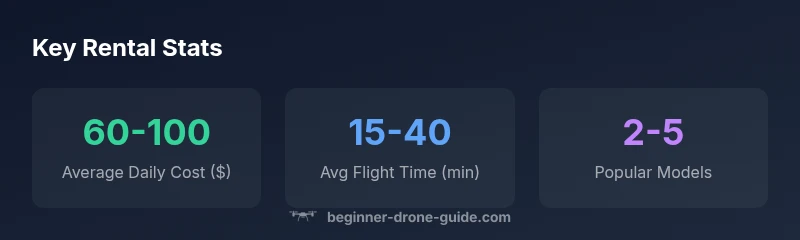
| Rental Model | Typical Cost Range (per day) | Pros |
|---|---|---|
| Daily Rental | "$40-$120" | Flexible for short-term projects |
| Hourly Rental | "$6-$15/hour" | Lower cost for time-limited tasks |
| Long-term Lease | "$120-$350/week" | Best value for ongoing projects |
Frequently Asked Questions
Is renting a drone near me cheaper than buying?
For infrequent use, renting can be cheaper than buying a drone. Calculate the per-day or per-hour cost plus insurance, and compare it to the purchase price and expected usage. If you fly only a few times a year, renting often makes the most sense.
Renting is usually cheaper if you fly only occasionally. Compute per-day costs and compare to buying, and consider insurance when you’re first learning.
What documents do I need to rent a drone?
Most shops require a valid photo ID and a credit card for the deposit. Some providers may ask for proof of age and a brief safety acknowledgment. Check the rental terms before booking.
You’ll typically need a photo ID and a credit card for the deposit. Some places may ask for proof of age and a quick safety acknowledgment.
Do rental drones include insurance?
Many rental shops include basic liability insurance or offer it as an add-on. Review what is covered and consider additional hull or gear insurance if you’re handling valuable equipment.
Insurance is often available and sometimes included. Check coverage details and add-ons if you need extra protection.
Can I rent for real estate or education purposes?
Yes. Rentals are common for real estate shoots, training sessions, or classroom demonstrations. Ensure you have permission to fly in the chosen location and that the gear supports your intended tasks.
Absolutely. Real estate shoots and training are frequent rental use cases. Make sure you have flight permissions for your location.
What safety checks should I perform before a rental flight?
Do a quick preflight: battery health, GPS lock, compass calibration, propeller integrity, and controller responsiveness. Verify you’re in a safe, open area away from people and obstacles.
Always run a quick preflight: check batteries, GPS, compass, props, and controller. Fly in a safe open space.
How do I avoid extra charges when returning the gear?
Return on time, confirm battery status, and inspect the unit for any new damage. Document the condition at pickup and return with receipts to resolve any disputes quickly.
Be on time and document the gear’s condition when you return. That helps you avoid extra charges.
“Renting a drone is a smart way for beginners to gain hands-on experience and evaluate gear before buying. It also helps you understand real-world flight dynamics, safety practices, and project-specific needs.”
Quick Summary
- Compare total costs across the project timeline.
- Inspect gear and confirm insurance options before booking.
- Use rentals to practice safely before buying.
- Clarify fees, deposits, and return conditions upfront.
- Plan logistics for pickup and return to avoid delays.