What to Know Before Buying a Drone
A practical, beginner-friendly guide to what to know before buying a drone, covering use cases, essential specs, safety and licensing, budgeting, and a step-by-step buying checklist.


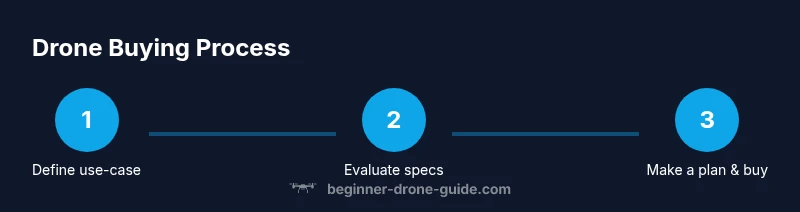
Before buying a drone, define your use-case, compare core specs, and check safety and regulatory requirements with a simple checklist. This will help you select a beginner-friendly model that fits your budget and goals. A clear plan also prevents paying for features you won't use and speeds up the purchase process.
Why this matters before you buy
According to Beginner Drone Guide, taking the time to plan before purchasing a drone saves money, stress, and frustration. When you’re new to flight, the market offers dozens of models that look similar but suit very different needs. This section explains why a clear buying intent matters and how to avoid common missteps by matching features to your goals. A small upfront investment in research pays off through better performance, longer use, and safer flying. You’ll learn how to translate your real-world needs into concrete specs and a practical budget, then use a simple checklist to guide your choice. You’ll also see how Beginner Drone Guide analysis shows that most beginners overvalue camera specs and neglect battery life, safety features, and ease of use. With this mindset, you’ll narrow the field quickly and increase your odds of a satisfying purchase.
How to define your drone use-case
Your use-case determines nearly every buying decision. Are you learning to fly, capturing occasional aerial photos for social media, or inspecting property lines and roofs? For beginners, it’s usually best to start with stability, safety features, and forgiving controls. Write down three realistic tasks you want to accomplish in the first 90 days, then map those tasks to drone specs like flight time, obstacle sensors, GPS hold, return-to-home, and prop guard availability. This approach helps you avoid paying for capabilities you won’t use right away and sets a path for future upgrades. A clear use-case also guides the decision between a compact folding model and a larger, steadier platform. As you decide, keep your goals practical rather than chasing the newest camera gimmick.
Essential specs to compare when shopping
When shopping, prioritize specs that affect everyday use for beginners: flight time per charge, stability and wind resistance, GPS-based positioning, obstacle avoidance, and return-to-home reliability. Consider camera quality only if you plan to shoot approachable video or photos; otherwise, prioritize ease of flying and consistent performance. Check the drone’s compatibility with your smartphone, the availability of spare parts, and the support ecosystem from the manufacturer. A simple spec matrix can help you compare models side by side, and reading multiple reviews will reveal how actual flight performance matches the official specs.
Safety, licensing, and regulations you must know
Safety features like stabilized hover, geofencing, and automatic return-to-home reduce risk, especially for new pilots. Licensing and regulations vary by country and sometimes by weight or intended use, so it’s essential to understand local rules before buying. In the US, hobbyist and commercial pilots have different obligations; always register if required and follow airspace rules and no-fly zones. Keeping up with firmware updates, maintenance, and proper pre-flight checks minimizes incidents and helps you stay compliant over time.
Budgeting and where to invest first
Drones span a wide price range. For most beginners, start with a budget-friendly model that prioritizes stability, safety features, and ease of use. If you expect to shoot footage frequently, allocate part of the budget to a gimbal-stabilized camera or a model with reliable electronic image stabilization. Remember to factor in ongoing costs such as spare batteries, propeller guards, and a basic charging setup. A phased approach—buying a solid starter drone now, then upgrading later—reduces risk and helps you grow as a pilot.
Real-world buying scenarios and checklists
Scenario 1: You want casual photography and learning to fly. Choose a compact, beginner-friendly drone with GPS, beginner flight modes, and decent battery life. Scenario 2: You plan to inspect rooftops occasionally. Prioritize a drone with longer flight time, solid stability, and easy access to spare parts. Scenario 3: You want to record smooth video for social media. Look for a drone with a reliable stabilizer and straightforward editing workflow. For each scenario, use a simple checklist: confirm flight time, safety features, fail-safes, and local regulations. This practical approach keeps you grounded in real needs rather than chasing shiny tech.
How to test and evaluate a drone before purchase
Before buying, request a hands-on demo or a local flight test if possible. Pay attention to responsiveness to stick input, consistency of takeoff and landing, and how well the drone handles light wind. Check the app’s usability, battery indicators, and how easy it is to access essential features like return-to-home and the camera settings. Ask about serviceability and the availability of spare parts. Finally, compare after-purchase support and warranty terms to avoid future headaches.
Tools & Materials
- Smartphone or tablet with drone app(Needed for setup, firmware updates, flight planning, and live telemetry)
- Extra batteries and charger(Test flight requires multiple cycles; get at least one spare)
- Propeller guards(Useful for indoor or beginner flights to prevent tip-overs)
- Basic maintenance kit(Screwdrivers, cleaning cloth, lint-free wipe)
- MicroSD card(For local video/file storage if you plan to record footage)
Steps
Estimated time: 60-90 minutes
- 1
Define your use-case
List three realistic tasks you want to accomplish in the first three months. This anchors feature choices (camera, flight time, portability) to your goals and prevents feature overload.
Tip: Start with the simplest task and upgrade later as skills grow. - 2
Set a realistic budget
Decide on a price range that fits your planned use and future growth. Include potential add-ons like extra batteries and a case.
Tip: Allocate 10-20% of your budget for accessories and spare parts. - 3
List must-have features
Prioritize stability, ease of use, reliable return-to-home, and basic safety sensors over high-end camera specs when starting out.
Tip: If you don’t fly regularly, avoid premium camera upgrades that drive up price. - 4
Compare beginner vs. advanced models
Use a simple matrix to compare flight time, weight, sensors, and customer support. Expect the basic tier to outlast and outperform the older tech in low-cost units.
Tip: Read multiple independent reviews to see how firmware updates affect performance. - 5
Understand regulations
Research local airspace rules, registration requirements, and any flight restrictions before buying.
Tip: Bookmark official regulatory pages for quick reference. - 6
Test handling and safety features
If possible, test a demo unit for control responsiveness and how safety features behave during simulated flights.
Tip: Ask about warranty and return policies in case you encounter issues. - 7
Make the purchase decision
Choose a model that matches your use-case, budget, and comfort level. Keep the receipt and manuals accessible for future maintenance.
Tip: Buy from reputable retailers with clear return policies.
Frequently Asked Questions
Do I need a license to fly a consumer drone?
Licensing requirements vary by country and purpose. In many places, hobby flights do not require a license, but commercial operations often do. Always check your local regulations and comply with any registration rules.
Licensing depends on your country and whether you fly commercially. Check local rules and register if required.
What is the most important factor when buying a beginner drone?
For beginners, stability, ease of use, and safety features often trump camera quality. A drone with forgiving controls and reliable return-to-home helps you learn faster and reduces frustration.
Stability, ease of use, and safety features are most important for beginners.
Are cheaper drones worth it for beginners?
Cheaper models can be a good way to learn basic skills, but ensure they have essential safety features and reliable basics. Avoid models with poor after-sales support or unavailable parts.
Yes, as long as they include basics like stability and safety features and have reliable support.
How important is camera quality for a beginner?
Camera quality matters if your primary goal is video or photo capture. For learning to fly, prioritize flight stability and ease of use first; upgrade the camera later if needed.
Camera quality matters if you want great shots; start with stability and ease of use.
What accessories should I buy with my first drone?
Spare batteries, a protective case, propeller guards, and a microSD card for storage are common essentials. A compatible charger and extra props help you stay flying.
Get extra batteries, guards, and a case to stay ready for flights.
How do I register my drone?
Registration processes vary by country. Check the official aviation authority or drone regulator for steps, then complete any required forms and codes before flying outdoors.
Check your regulator’s site for steps to register your drone and comply with rules.
Watch Video
Quick Summary
- Define use-case before buying to guide feature choices.
- Prioritize safety features and regulatory compliance.
- Budget for ownership costs beyond the initial drone.
- Test handling and reliability before making a final choice.
- Use a simple buying checklist to stay focused.