Is the DJI FPV Drone Good for Beginners? A Practical Guide
A balanced, analytical review of whether the DJI FPV is suitable for new pilots, covering learning curve, safety, setup, and buying guidance for beginners.


Is the dji fpv drone good for beginners? For many, the answer is nuanced. The DJI FPV delivers an immersive, high-speed flying experience that can accelerate learning, but its rapid responsiveness and manual flight nuances pose a steep entry barrier for absolute beginners. For most first-timers, starting with a more forgiving beginner drone is advisable, then transitioning to FPV after building fundamentals.
The DJI FPV and the Beginner's Dilemma
There is a recurring question among new pilots: is the dji fpv drone good for beginners? For many, the temptation to dive into FPV is strong because the experience promises speed and a first-person perspective like nothing else. According to Beginner Drone Guide, the DJI FPV blends a smooth, consumer-friendly ecosystem with a racing-grade control feel. The result is a cockpit-like sensation that can accelerate learning, but it comes with a notable caveat: the same responsiveness that makes FPV exciting also magnifies small mistakes. This isn't a toy, and it isn't a 'set-it-and-forget-it' platform. The drone demands attention, planning, and space. The Beginner Drone Guide team found that while the FPV is technically within reach of a patient beginner, most first-timers will benefit from practicing on a more forgiving platform before attempting full-speed FPV flights. If you press ahead without groundwork, you'll encounter early crashes, disorienting inputs, and a steeper ramp to confidence. However, for learners who want to sprint past basics and shoot for advanced skills, the DJI FPV can be a compelling, time-saving option.
In this review, we’ll unpack what that means for a beginner’s learning path, how to mitigate risk, and when FPV is a better fit than starting with a more traditional, fixed-camera drone. The aim is to give you a clear, data-informed view so you can decide whether the DJI FPV belongs in your kit—and if so, how to approach the training journey safely.
Learning Curve: From Unboxing to First Flight
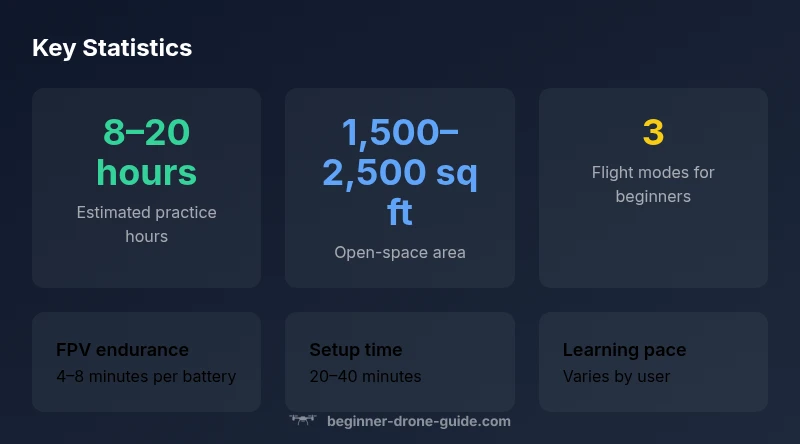
The box arrives with a lot of moving parts: the airframe, the FPV goggles, the remote controller, spare props, and a set of batteries. The first barrier is getting familiar with the FPV ecosystem: binding the controller to the drone, pairing the goggles, and configuring the flight modes in the companion app. The setup time can range from 20 to 40 minutes for someone who’s comfortable with drones, to over an hour for a total beginner who is learning terminology and safety checks. The learning curve is steep because of three core elements: instrument feedback, control sensitivity, and the ability to translate first-person vision into stable physical motion. As you begin, practice in a wide, open space away from people and property, gradually introducing gentle throttle and yaw inputs. According to Beginner Drone Guide Analysis, patient, incremental practice in Normal mode builds a foundation that makes the move into more aggressive FPV modes safer and smoother. Remember: the goal is to establish consistent control before attempting fast or complex maneuvers.
Flight Modes: Normal, Sport, and FPV
The DJI FPV offers three distinct flight modes that structure how a beginner progresses. Normal mode prioritizes stability, gentle response, and maximum safety margins; it’s the default setting for first flights. Sport mode boosts sensitivity and speed, which helps in learning the edge of the drone’s performance, but also increases crash risk if you’re not prepared. FPV mode is the most immersive and requires deliberate practice, since the drone behaves like a true race craft. The key for beginners is to stay in Normal mode while you train, only stepping into Sport mode once you can maintain hover with confidence. FPV mode, when used, should be done with proper goggles and in a controlled environment, ideally with prop guards and a trainer cord that prevents the drone from wandering into people or obstacles. This phased approach aligns with best-practice safety and learning progression.
Safety, Space, and Legal Considerations
FPV flight emphasizes situational awareness and space planning. For beginners, it’s critical to carve out a large, unobstructed area—ideally a dedicated outdoor field or a spacious indoor gym with padded surroundings. Before your first flights, review local regulations, flight restrictions, and registration requirements that apply to your country. Even in areas with friendly rules, you should always practice in a clearly marked zone, keep the drone within your visual line of sight when possible, and wear appropriate protective gear. The DJI FPV’s full manual control means crashes can be more damaging than with a beginner drone designed for easy forgiveness. Taking a structured approach—starting in Normal mode, gradually increasing exposure, and logging your flight sessions—helps reduce risk. Beginner Drone Guide’s experience underscores that safe flight habits, proper preflight checks, and a conservative attitude toward speed are the practical foundations for a confident FPV journey.
Setup, Firmware, and Maintenance
A well-prepared pilot is a safer pilot. Start by ensuring your firmware is up to date on both the drone and goggles, then perform a thorough preflight check: prop condition, battery status, gimbal balance, radio binding, and GPS lock. Regular maintenance includes inspecting props for chips or cracks, cleaning lint and dust from the motors, and updating the calibration after firmware changes. Battery care matters: never discharge a battery completely and store it with roughly a 50% charge to maximize lifespan. If you encounter a drift, unresponsive controls, or unusual vibrations, power off and inspect the frame for loose screws or misaligned propellers. Over time, you’ll learn the subtle cues that indicate components need service or replacement. A methodical maintenance routine keeps the FPV system reliable, which is essential when your learning curve is driven by rapid feedback and fine motor control.
FPV vs Beginner Drones: Where This Fits
Compared with beginner fixed-wing or multi-rotor drones, the DJI FPV sits at the high end of complexity and performance. Entry-level drones from other lines emphasize stability, ease of use, and longer flight times with fewer surprises. The DJI FPV’s advantages include an immersive live feed, quick access to an excited learning loop, and the potential for cinematic shots in the hands of a patient, careful pilot. The downside for beginners is higher crash risk, a steeper cost of entry, and the need for dedicated practice space. If your primary goal is casual photography or simple aerial selfies, a beginner drone with a more forgiving flight envelope may be a better fit. For learners who want to rapidly transition from basic flight to precise, FPV-style maneuvers, the DJI FPV provides a clear corridor for skill development—but only if you respect the discipline, safety, and space it demands.
Real-World Scenarios: When FPV Helps a Beginner
There are practical moments when FPV pays off for a learner. For example, FPV can accelerate scene comprehension when filming dynamic action, enabling you to anticipate movement and frame shots in real time. Some pilots use FPV to practice complex trick maneuvers in controlled environments before applying similar techniques to more traditional drones. Another scenario is sports or event capture, where the ability to react quickly to fast-moving subjects can yield dramatic, immersive footage. In these cases, FPV functions as a learning accelerant rather than a casual convenience. The key is to practice with safety as a primary objective, using slower speeds, controlled environments, and protective gear as needed. The Beginner Drone Guide team suggests that you document your flights, review the footage, and identify precise inputs that produced smoother transitions and steadier footage over time.
Getting Started: A Practical Path for New Pilots
A structured plan helps novices convert curiosity into competency. Week 1 focuses on basic drone handling in Normal mode, including hover stability, gentle altitude control, and basic yaw. Week 2 introduces more precise positioning and wind considerations, while continuing Normal mode practice. Week 3 adds Sport mode trials in a wide-open space, focusing on throttle control and preventing overcorrections. Week 4 brings FPV exposure with goggles at very low speed, in a controlled environment, and only after you’ve demonstrated consistent repeatable flight in Normal mode. From there, it’s about incremental progress: longer flight times, more precise camera framing, and safe transitions between modes. Document every session, reflect on input habits, and gradually increase the complexity of your flights as confidence grows. This progression aligns with recommended best practices for beginners pursuing FPV mastery without compromising safety.
What to Buy Before You Fly: Essentials for Beginners
Before you pull the trigger on a DJI FPV setup, assemble a minimal, safe kit. You’ll want a spare set of propellers, a couple of battery packs, a dedicated charging hub, a high-quality screen or goggles, and a protective case. Add a basic prop-guard kit for indoor practice, a soft landing pad for outdoor sessions, and a basic first-aid kit for any minor mishaps. Investing in a beginner-friendly ramp to practice slow starts and controlled landings is a wise choice. Finally, sign up for a structured training plan or a local flying club to build a community of safety-minded pilots who can provide real-time feedback and mentorship as you progress.
Maintenance and Longevity: Keeping Your FPV Gear in Top Shape
Longevity for FPV gear comes from routine checks and careful storage. After each session, inspect the frame for micro-cracks, check prop integrity, and ensure that connectors are snug. Clean the drone and goggles to remove dust and moisture, and store them in a cool, dry place. Regular calibration after firmware updates ensures accurate control and predictable behavior. When a part shows visible wear, replace it promptly rather than pushing through failures, which could threaten safety. A consistent maintenance cadence helps you build confidence, reduces the likelihood of unexpected malfunctions, and preserves the investment you’ve made in your FPV learning journey.
Benefits
- Immersive FPV experience that accelerates learning
- Strong integration with the DJI ecosystem for a polished flight experience
- Three flight modes provide structured progression for beginners
- Potential to create cinematic footage as skills improve
Weaknesses
- Steeper learning curve compared to entry-level drones
- Higher upfront cost and ongoing maintenance
- Increased risk of crashes without proper practice and space
- Requires more space and safety planning than casual drones
Best for learners who want rapid FPV progression with safety-minded practice
The DJI FPV can be a powerful bridge to advanced FPV skills, provided you invest in space, training, and a careful practice plan. For true absolute beginners, starting with a gentler, more forgiving drone is often the safer and more economical path. The DJI FPV shines when you’re ready to commit to a careful, staged learning journey.
Frequently Asked Questions
Is the DJI FPV drone good for beginners?
It can be suitable for patient learners who commit to a structured plan, but it’s not ideal for absolute beginners. Expect a steeper learning curve and more space requirements than typical beginner drones.
It works for some beginners who are willing to learn step by step, but it’s not the easiest starter drone.
What training is recommended before FPV flight?
Start with ground practice and basic flight in Normal mode, then gradually introduce Sport mode and finally FPV with goggles, in a safe, open area. Consider joining a local club or following a guided curriculum.
Begin with basic hover practice, then move to controlled flights in Normal mode before exploring FPV with supervision.
Can beginners fly FPV indoors?
Indoors is possible in a controlled space, but it demands extra protection like prop guards and smaller, well-padded rooms. Most beginners begin outdoors to avoid collisions.
Indoors is possible with care, but outdoor practice is safer for beginners.
Do I need a license to fly FPV drones?
Regulatory requirements vary by country. In many places, piloting FPV drones may require registration and adherence to local flight rules. Check your national aviation authority for specifics.
Regulations vary; check your country’s aviation authority for guidance and registration needs.
How does the FPV compare with Mini-series drones for newbies?
Mini-series drones prioritize ease of use and longer flight times with simpler controls. FPV offers immersion and speed but demands a learning plan, space, and safety precautions to build proficiency.
Mini drones are easier to learn; FPV is faster but tougher and more immersive.
What is a safe practice plan for new pilots?
Begin with dry runs and calibration, then move to slow flights in Normal mode, gradually introducing Sport and FPV in controlled spaces. Always wear eye protection and adhere to safety rules.
Start slow in Normal mode, then progressively add FPV steps with safety in mind.
Quick Summary
- Test Normal mode first to build stability
- Practice in open spaces before FPV exposure
- Invest in safety gear and spare parts early
- Use a progressive plan from normal to FPV modes
- Document flights and review inputs for improvement