Droni Drone: Beginner Guide to Buying and Flying
Learn how to choose a beginner-friendly droni drone, prioritize safety, and perform your first safe flight with confidence. Practical buying steps and real-world tips for new pilots.


By following this guide, you’ll learn how to choose a beginner-friendly drone, compare core specs, and complete a safe first flight. You’ll evaluate stability, battery life, camera basics, and beginner-friendly modes, then follow practical buying steps and safety practices. This How-To is designed for new pilots and uses actionable steps. According to Beginner Drone Guide, a thoughtful plan reduces risk and accelerates learning.
Why start with a beginner-friendly droni drone
Starting with a beginner-friendly droni drone makes learning faster and safer. A stable platform, forgiving controls, and built-in safety features help new pilots build confidence without constant crashes. The Beginner Drone Guide team emphasizes models that prioritize GPS stabilization, propeller guards, and intuitive modes. With the right starter, you can practice smooth takeoffs, hovering, and precise landings before advanced tricks. A durable build and accessible customer support are also crucial when you’re still learning how to fly. According to Beginner Drone Guide, a thoughtful starter plan reduces friction and accelerates early success.
- Stable flight is your first priority for confidence.
- Look for GPS hold, altitude limits, and return-to-home settings.
- Favor durable frames and modular parts to minimize downtime after mishaps.
- Accessibility of manuals, tutorials, and spare parts speeds up learning.
Choosing the wrong model at the start can slow you down, but a well-chosen beginner drone creates a positive feedback loop of practice and improvement.
Core features to prioritize for new flyers
To pick a good starter, focus on features that reduce complexity and increase safety. Key priorities include:
- GPS hold for stable hover and predictable responses
- Return-to-home if you lose orientation or signal
- Beginner modes with reduced speed and altitude limits
- Propeller guards or a durable frame to survive first crashes
- Simple camera controls or a camera-free model for skill-building
- Manageable weight, good battery life, and easy spare parts access
- Clear calibration steps and a reliable app interface
These features help new pilots stay in control during initial flights and make it easier to progress to more advanced maneuvers.
Safety, regulations, and responsible flying
Safety first is non-negotiable. Always perform a pre-flight check, fly in open spaces away from people, and stay within line-of-sight. Be aware of local laws and licensing requirements; this varies by country and region. The Beginner Drone Guide team notes that beginners should register where required and understand no-fly zones. Use weather checks, avoid wind, and fly within your drone’s documented limits. Keeping a safety-first mindset helps you learn faster and reduces risk to others. Based on Beginner Drone Guide research, establishing a routine of checks and a calm learning pace minimizes incidents and builds good habits.
- Always inspect propellers for nicks or cracks before flight.
- Calibrate compass and imu after transport or big temperature changes.
- Fly in open spaces away from people, pets, and crowds.
- Respect no-fly zones and local licensing requirements to stay compliant.
Real-world learning scenarios with a starter drone
Practice makes permanent. Start with controlled exercises such as gentle takeoffs and landings, then advance to steady hover in place, slow forward flights, and basic panning for photos. Create short missions: fly a square pattern indoors with prop guards, then move outdoors in a wide, distraction-free area. As you improve, add simple photography tasks like framing, exposure adjustments, and smooth panning. These structured drills let you log progress and adjust difficulty gradually, which supports lasting skill development.
Step-by-step planning for your first purchase
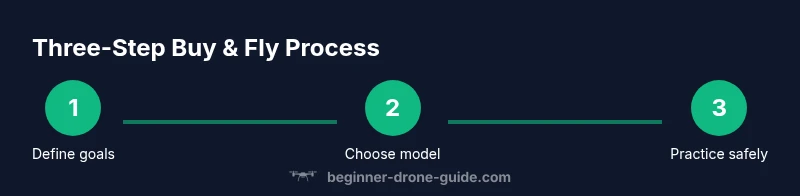
Before buying, outline your goals, budget, and local regulations. Decide whether you need a camera, and how much you value portability. Compare a few well-reviewed beginner models, focusing on stability, safety features, and battery availability. Check seller support, return policy, and warranty terms. Finally, verify you can access spare parts and firmware updates, then prepare a safe, distraction-free space for your first practice session. This plan keeps you focused and helps you avoid impulse buys that don’t align with your learning path.
Getting the most from practice sessions
Set a gentle pace and track your progress. Create a simple log to note flight times, maneuvers practiced, and any issues. Regularly recalibrate sensors and update firmware as recommended by the manufacturer. Schedule short, frequent practice sessions rather than long, exhausting ones. When problems arise, pause, reassess, and refer to the manual or trusted tutorials from Beginner Drone Guide. With consistent practice, you’ll gain confidence and precision more quickly.
Tools & Materials
- Beginner-friendly drone (GPS-enabled)(Choose a model with certified safe flight modes)
- Extra batteries(Have at least one spare battery per flight session)
- Charger and USB-C cable(Ensure compatibility with all batteries)
- Propeller guards(Recommended for indoor practice)
- Screwdriver set(Small Phillips head is common)
- MicroSD card(For storing footage if you have a camera-equipped drone)
- User manual and safety guide(Keep accessible during first flights)
- Calibrated space for practice(A clear, open area away from people)
Steps
Estimated time: 60-90 minutes
- 1
Define your learning goals
List what you want to achieve with your first drone: basic takeoffs and landings, hover stability, simple photo/video shots, and safe emergency procedures. Write these down to guide your model choice and practice plan.
Tip: Make goals specific and measurable (e.g., hover for 30 seconds, complete a 5-meter circle). - 2
Set a budget and shortlist models
Determine a practical budget that covers the drone, extra batteries, and a safe practice area. Narrow your options to beginner-friendly families known for stability and reliable safety features.
Tip: Prioritize models with easy return policies and widely available spare parts. - 3
Check safety features and beginner modes
Verify GPS stabilization, altitude limits, beginner mode speed caps, and return-to-home options. These features make early flights less risky and more predictable.
Tip: If in doubt, test these features in a controlled indoor space first. - 4
Read manuals and watch official tutorials
Study the setup, calibration steps, and safety recommendations. Follow manufacturer tutorials to ensure firmware is current and settings are appropriate for beginners.
Tip: Take notes on every new procedure to build a personal quick-reference guide. - 5
Purchase from a reputable retailer
Choose a retailer with clear warranty terms and a straightforward return policy. Confirm shipping times and parts availability in case you need replacements.
Tip: Keep receipt and product serial number in a dedicated folder for future support. - 6
Register and prepare your first flight environment
If registration is required where you fly, complete it before your first session. Choose a wide, open space away from people and pets, with good lighting and minimal wind.
Tip: Put your drone in beginner mode and do a supervised practice flight before venturing outside.
Frequently Asked Questions
What is a beginner-friendly drone?
A beginner-friendly drone is stable, easy to control, and includes safety features like GPS hold and return-to-home to help new pilots learn safely.
A beginner drone is stable and easy to fly, with safety features to help new pilots learn.
How can I tell if a drone is suitable for a beginner?
Look for GPS stabilization, basic flight modes, limited speed and altitude, durable construction, and clear manuals or tutorials from the manufacturer.
Check for stabilization, safety modes, and good learning resources.
Do I need a license to fly a beginner drone?
Regulations vary by country and region. Check local aviation authority guidelines and licensing requirements before your first flight.
Regulations differ by country, so check your local rules before flying.
What accessories are essential for a first drone?
Extra batteries, spare propellers, a small toolkit, and a microSD card (if your drone records footage).
Get extra batteries and spare parts to keep practicing without downtime.
How long does it take to learn basic flight?
Most beginners achieve basic hovering and controlled movements after several short practice sessions and a steady routine.
With consistent practice, most beginners reach basic flight in a few sessions.
What should I do if my drone starts behaving oddly?
Pause, check propellers, recalibrate sensors, and review the manual. If issues persist, contact customer support.
If it behaves oddly, cease flying, inspect, and consult the manual or support.
Is indoor flight safe for beginners?
Indoor practice can be safe with prop guards and a spacious, obstacle-free area, but outdoor practice is essential for real-world conditions.
Indoor practice with guards is good, but you’ll need outdoor sessions to learn wind and space management.
How do I choose between camera and camera-free drones?
If learning flight is your priority, a camera-free or basic camera model simplifies controls. If you want photos, choose a drone with a beginner-friendly camera and easy settings.
If learning flight matters most, start without camera complexity; add camera later if you want.
Watch Video
Quick Summary
- Choose a beginner-friendly drone with safety-first features.
- Prioritize GPS stability, beginner modes, and easy repairs.
- Practice in safe spaces and keep a simple learning log.
- Follow local regulations and manufacturer guidelines for safe flying.